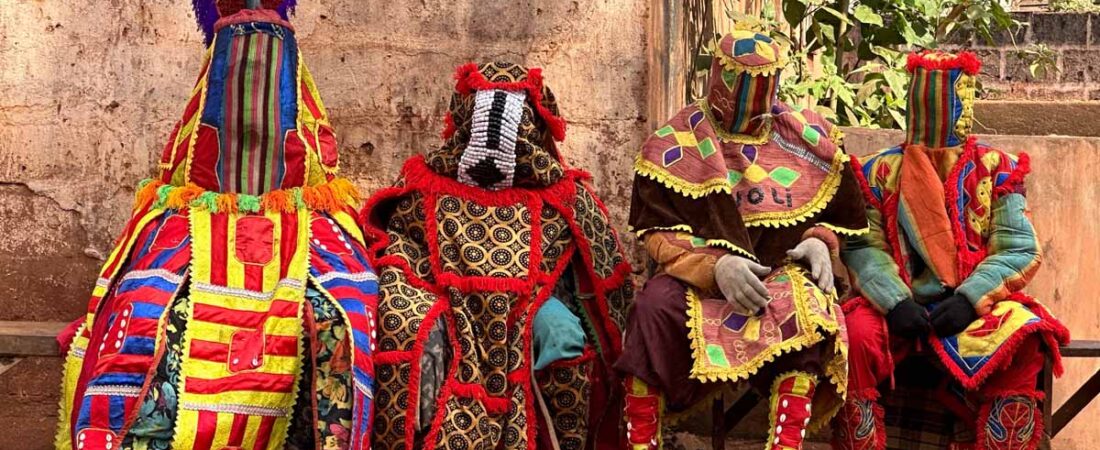
African Voodoo is one of Africa’s oldest and most respected spiritual traditions. For centuries, communities across West Africa have practiced forms of traditional spirituality that emphasize respect for the Creator, reverence for ancestors, harmony with nature, and the guidance of spiritual beings. While many people outside Africa know the word “Voodoo,” it is often misunderstood because of myths, movies, and fictional stories.
In reality, African Voodoo is not based on fear or magic tricks. It is a traditional belief system that many people practice as part of their cultural and spiritual heritage. Its teachings encourage people to live with honesty, respect their ancestors, strengthen family bonds, seek wisdom from elders, and maintain balance between the physical and spiritual worlds.
Many individuals who seek an African spiritual consultation online or visit an Authentic African Voodoo Priest do so because they are looking for personal guidance, spiritual encouragement, cultural understanding, or a deeper connection to their traditions. Different communities hold different beliefs and practices, and experiences are personal rather than universally shared.
What Is African Voodoo?
African Voodoo is a traditional spiritual system found in several regions of West Africa, especially in countries such as Benin, Togo, Ghana, and parts of Nigeria. Although practices vary between communities, many traditions share common values:
Respect for the Supreme Creator
Honor for ancestors
Reverence for nature
Community responsibility
Moral living
Spiritual balance
Traditional wisdom passed through generations
Unlike many misconceptions, African Voodoo is not a single religion with one universal book or one central authority. Instead, it consists of many local traditions that have been preserved for centuries by families, elders, and spiritual leaders.
This rich heritage continues to influence ceremonies, music, festivals, art, storytelling, healing traditions, and community life across Africa.
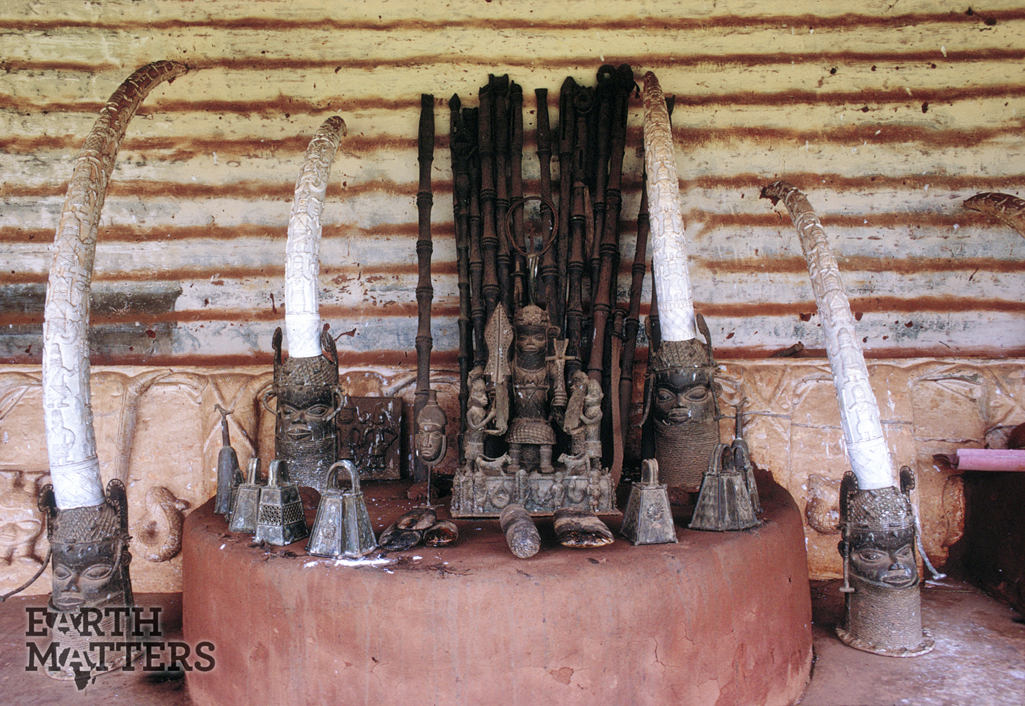
Understanding African Voodoo Spirits
One of the most fascinating parts of African Voodoo is the belief in spiritual beings that help connect human beings with the Creator and the unseen world.
Within many African traditional belief systems, these spiritual beings are viewed as intermediaries or sacred forces associated with aspects of nature, morality, family, or community. Different cultures use different names and understand them in different ways.
Many practitioners believe these spirits represent:
Wisdom
Protection
Justice
Healing
Fertility
Courage
Prosperity
Peace
Communication with ancestors
These beliefs are matters of faith and tradition, and interpretations vary among communities and individual practitioners.
Instead of worshipping the spirits as gods, many practitioners understand them as spiritual messengers or guardians who help maintain harmony between the visible and invisible worlds, always within the framework of their own religious tradition.
The Spiritual World in African Voodoo
African Voodoo teaches that life extends beyond what we can physically see.
Many traditional teachings describe existence as involving both the physical world and a spiritual dimension. These are believed to remain connected through family, community, memory, ritual, and respect for ancestors.
According to many traditions, every person possesses:
A physical body
A spiritual identity
Personal destiny
An ancestral connection
The goal is to live in harmony with these relationships through ethical conduct, community responsibilities, and spiritual practice.
Why People Seek an Authentic African Voodoo Priest
Throughout Africa, respected spiritual leaders preserve sacred traditions that have been handed down through generations.
An Authentic African Voodoo Priest often serves as:
A teacher of traditional beliefs
A spiritual guide
A cultural custodian
A ceremonial leader
A community advisor
A keeper of oral history
Depending on local traditions, people may consult such leaders for guidance during important life events, family ceremonies, naming ceremonies, harvest celebrations, reconciliation efforts, or ancestral observances. Practices differ from one community to another.
Rather than making promises of guaranteed supernatural outcomes, many priests focus on helping individuals understand traditional teachings, reflect on personal challenges, and participate respectfully in cultural ceremonies.
African Spiritual Consultation Online
Modern technology has made it possible for people around the world to learn about African traditions.
An African spiritual consultation online may include:
Cultural education
Spiritual discussion
Traditional guidance
Personal reflection
Questions about African spirituality
Understanding ancestral traditions
Learning about ceremonies
An Online spiritual consultation can make these conversations more accessible, though it cannot replace participation in community-based traditions where they are practiced.
Many people living outside Africa use online consultations simply to reconnect with their cultural roots or to better understand traditional beliefs.
African Spiritual Advisor and Spiritual Guidance
An experienced African spiritual advisor helps explain traditional teachings while encouraging thoughtful and respectful engagement with them.
An advisor may assist individuals in:
Understanding traditional beliefs
Learning cultural history
Exploring ancestral traditions
Reflecting on personal values
Preparing for traditional ceremonies
Strengthening family connections
The emphasis is often on wisdom, cultural continuity, and ethical living rather than on extraordinary claims.
African Divination Reading
Many African traditions include forms of African divination reading.
Divination is generally understood as a ceremonial practice used within particular traditions to seek symbolic guidance or insight. Different communities use different methods, and interpretations are shaped by cultural knowledge and experience.
Many practitioners view divination as:
A way to reflect on important decisions
A tool for spiritual self-examination
A means of preserving traditional wisdom
A ceremonial conversation within a faith tradition
It is not universally understood as predicting the future with certainty.
African Ancestor Reading
Respect for ancestors is one of the foundations of many African spiritual traditions.
An African ancestor reading is often understood as a ceremonial practice centered on honoring those who came before, remembering family heritage, and reflecting on ancestral values.
For many families, ancestors symbolize:
Wisdom
Family identity
Guidance
Responsibility
Continuity between generations
Ancestor remembrance encourages people to appreciate their heritage and maintain strong family relationships.
African Spiritual Healer and Traditional African Healer
Many communities distinguish between spiritual guidance and medical care.
An African spiritual healer or Traditional African healer may provide cultural or spiritual support through prayers, ceremonies, counseling, or traditional practices according to local customs.
These practices are generally intended to complement—not replace—professional medical or mental health care when needed.
Traditional healers are often respected because they preserve indigenous knowledge, local history, medicinal plant traditions, and community customs.
African Spiritual Services
Different communities offer different African spiritual services, which may include:
Blessing ceremonies
Family rituals
Community celebrations
Naming ceremonies
Seasonal festivals
Ancestor remembrance
Cultural education
Spiritual mentoring
The purpose varies according to local traditions and beliefs.
African Energy Cleansing
Some African traditions include symbolic rituals that practitioners describe as African energy cleansing.
Participants may view these ceremonies as opportunities to:
Let go of emotional burdens
Begin a new chapter in life
Reflect spiritually
Restore inner peace
Renew commitment to positive living
Beliefs about these ceremonies differ among traditions, and experiences are personal.
Spiritual Protection Consultation
A Spiritual protection consultation usually involves discussing traditional teachings about personal well-being, ethical conduct, family relationships, and symbolic protective practices within a community’s beliefs.
People may seek such consultations during times of stress, major life transitions, or important cultural events.
African Blessing Ceremony
An African blessing ceremony celebrates important moments such as:
Birth
Marriage
New homes
Harvests
Community gatherings
Leadership recognition
Family reunions
Blessings often include prayers, music, dance, storytelling, symbolic offerings, and expressions of gratitude according to local customs.
African Spiritual Guidance
Many people seek African spiritual guidance not because they expect instant solutions but because they value traditional wisdom.
Guidance often emphasizes:
Patience
Honesty
Respect
Self-discipline
Family unity
Community responsibility
Gratitude
Personal growth
These teachings have been passed through generations and remain meaningful to many communities today.
African Spiritual Mentor
An African spiritual mentor helps preserve cultural knowledge by teaching younger generations about history, ceremonies, moral values, songs, symbols, and community traditions.
Mentorship strengthens cultural identity and ensures that traditional knowledge continues to be passed on responsibly.
Why Belief Matters in African Voodoo
Many practitioners believe that sincere faith, respect, and participation are central to spiritual life.
From this perspective, belief is not viewed as a magical force that guarantees outcomes. Instead, it reflects trust, commitment, and openness within one’s own spiritual tradition. Different communities explain this relationship in different ways.
Whether through prayer, ceremony, ancestor remembrance, or community gatherings, practitioners often emphasize that spiritual practices are most meaningful when approached with respect, humility, and genuine intention.
The Importance of Community
African Voodoo is deeply connected to community life.
Festivals, music, dancing, storytelling, drumming, and shared ceremonies reinforce relationships between families and generations. These traditions help preserve history and strengthen cultural identity.
Many spiritual practices are experienced collectively rather than individually.
Preserving African Heritage
African Voodoo continues to preserve:
Indigenous history
Oral traditions
Traditional music
Sacred dances
Ceremonial art
Community values
Ancestral remembrance
Cultural identity
Its influence extends beyond religion into literature, art, language, architecture, and festivals across Africa and throughout the African diaspora.
Common Misunderstandings
Popular entertainment has often portrayed Voodoo inaccurately.
In reality, many practitioners describe African Voodoo as a tradition centered on:
Respect for elders
Community responsibility
Spiritual reflection
Cultural identity
Family heritage
Moral living
Traditional ceremonies
Practices vary widely among regions, and no single description represents every community.
African Voodoo is a living spiritual tradition that continues to play an important role in the lives of many people across West Africa and the wider African diaspora. Its connection to African Voodoo Spirits reflects deeply held religious and cultural beliefs about the relationship between the Creator, ancestors, nature, community, and the spiritual world.
Whether someone seeks an African spiritual consultation online, guidance from an Authentic African Voodoo Priest, an African spiritual advisor, an African divination reading, an African ancestor reading, support from an African spiritual healer, or the wisdom of a Traditional African healer, the central purpose is often to better understand traditional teachings and cultural heritage. Other practices, such as African spiritual services, Online spiritual consultation, African energy cleansing, Spiritual protection consultation, African blessing ceremony, African spiritual guidance, and learning from an African spiritual mentor, are approached by many practitioners as meaningful expressions of faith and tradition rather than guarantees of specific supernatural results.
At its heart, African Voodoo encourages respect for ancestors, care for community, appreciation of nature, preservation of cultural identity, and a lifelong search for wisdom. By understanding these traditions through the voices of the communities that practice them, readers can move beyond stereotypes and appreciate African Voodoo as one of the world’s enduring spiritual heritages.