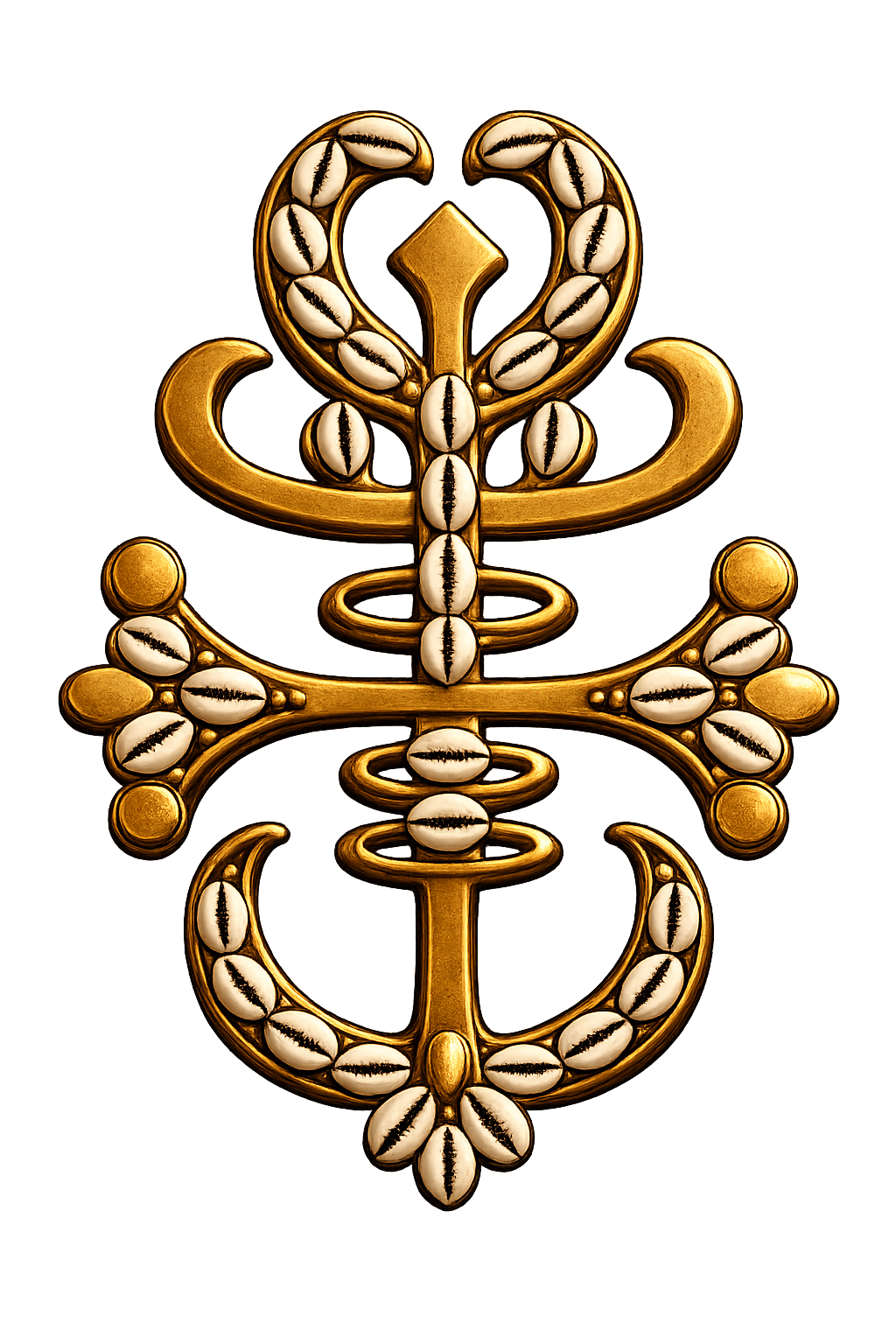
About African Vodun
Origins in Benin, Togo, Ghana, and Nigeria
Discovering the Sacred Roots of Vodun
African Vodun (also written Vodoun, Vodun, or Vodu) is one of the world’s oldest living spiritual traditions. Long before colonial boundaries divided West Africa, the peoples of present-day Benin, Togo, Ghana, and Nigeria shared interconnected spiritual systems centered on reverence for the Creator, ancestral wisdom, community harmony, and the sacred forces of nature.
Far from the stereotypes often portrayed in popular media, authentic African Vodun is a profound cultural, philosophical, and spiritual heritage that continues to guide millions of people today.
What Does “Vodun” Mean?
The word Vodun originates from the Fon and Ewe languages and generally means:
“Spirit,” “Sacred Force,” or “Divine Presence.”
Vodun recognizes a Supreme Creator who governs the universe through various spiritual intermediaries, natural forces, and ancestral influences.
The tradition teaches that humanity, nature, the ancestors, and the divine are deeply interconnected.
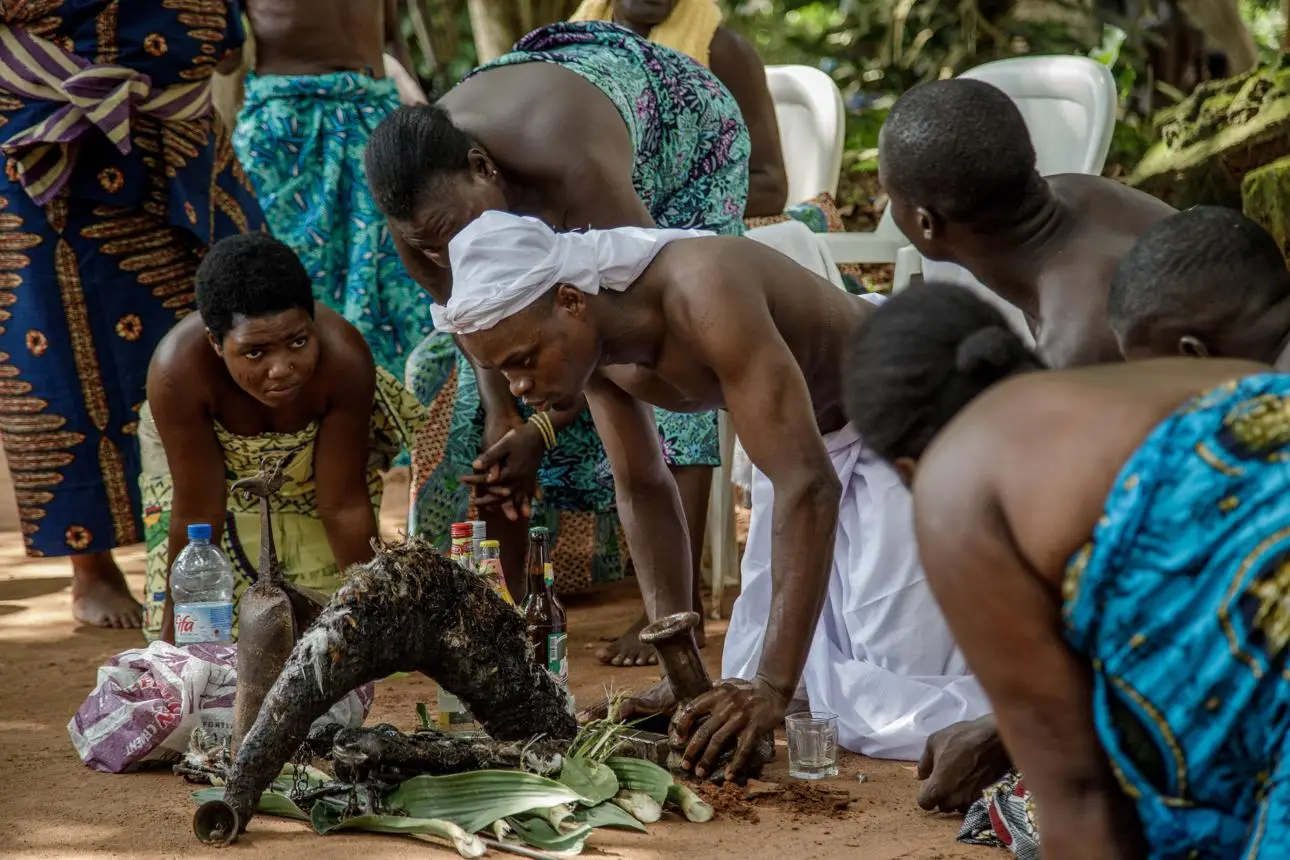
Benin: The Heartland of Vodun
The Kingdom of Dahomey
Modern-day Benin is widely regarded as the spiritual homeland of Vodun.
The ancient Kingdom of Dahomey (1600–1904) played a major role in preserving and organizing Vodun traditions. Sacred temples, royal ceremonies, ancestral shrines, and community rituals became important institutions within the kingdom.
The coastal city of Ouidah remains one of the most significant centers of Vodun heritage in the world.
Sacred Elements of Beninese Vodun
- Ancestor reverence
- Sacred temples and shrines
- Community festivals
- Healing traditions
- Spiritual divination
- Respect for natural forces
Today, Vodun is officially recognized as an important part of Benin’s cultural identity.
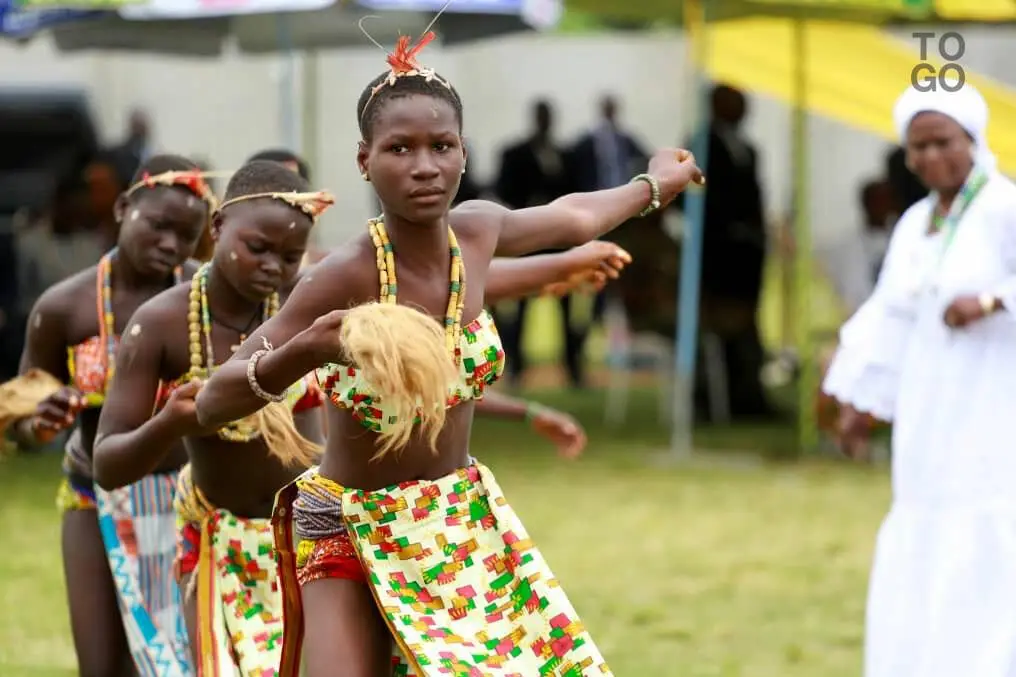
Togo
The Living Tradition of the Ewe People
Alongside Benin, Togo preserves a rich Vodun heritage through the traditions of the Ewe people.
In Togo, Vodun is woven into daily life through:
- Family ceremonies
- Community festivals
- Sacred music and drumming
- Traditional healing practices
- Ancestor remembrance
Many spiritual concepts shared across Benin and Togo emphasize balance between humanity, nature, and the unseen world.
Traditional priests and priestesses serve as guardians of knowledge passed down through generations.
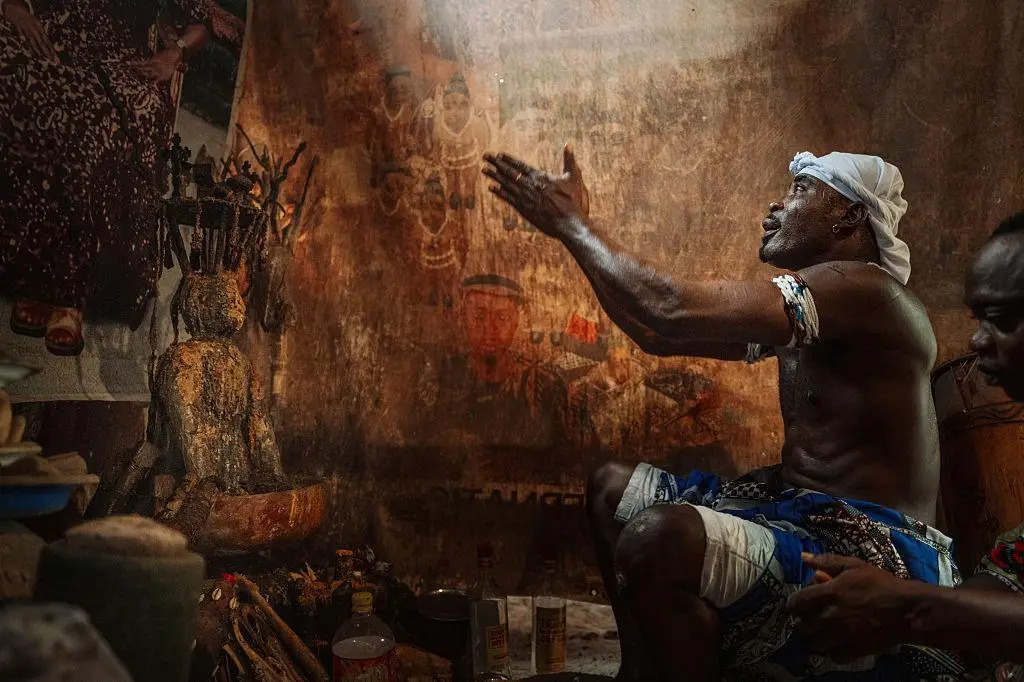
Ghana
Spiritual Continuity Along the Volta Region
The Ewe communities of southeastern Ghana maintain spiritual traditions closely related to those found in neighboring Togo and Benin.
These traditions emphasize:
- Community responsibility
- Moral conduct
- Ancestral guidance
- Sacred ceremonies
- Preservation of indigenous wisdom
Throughout Ghana’s Volta Region, cultural festivals and traditional rites continue to preserve centuries-old spiritual knowledge.
Vodun heritage in Ghana represents an important connection between history, identity, and cultural continuity.
Nigeria
The Yoruba Connection
The Influence of Yoruba Spiritual Traditions
In southwestern Nigeria, particularly among the Yoruba people, spiritual systems share deep historical and philosophical connections with Vodun traditions.
These traditions include reverence for:
- The Supreme Creator
- Ancestors
- Sacred natural forces
- Divine intermediaries
- Community ethics
Many scholars recognize significant cultural exchange between Fon, Ewe, and Yoruba spiritual systems over centuries of interaction and migration.
Sacred Knowledge and Community Life
Traditional spiritual leaders played important roles in:
- Conflict resolution
- Community guidance
- Preservation of history
- Healing practices
- Cultural education
These functions helped sustain social harmony and collective identity throughout generations.
The Role of Ancestors
Honoring Those Who Came Before
A central principle across Benin, Togo, Ghana, and Nigeria is respect for ancestors.Ancestors are viewed not as objects of worship but as honored members of the spiritual family whose wisdom continues to guide future generations.
Ancestor reverence promotes:
-Family unity
-Moral responsibility
-Historical memory
-Cultural continuity
-Community cohesion
Sacred Temples and Gathering Grounds
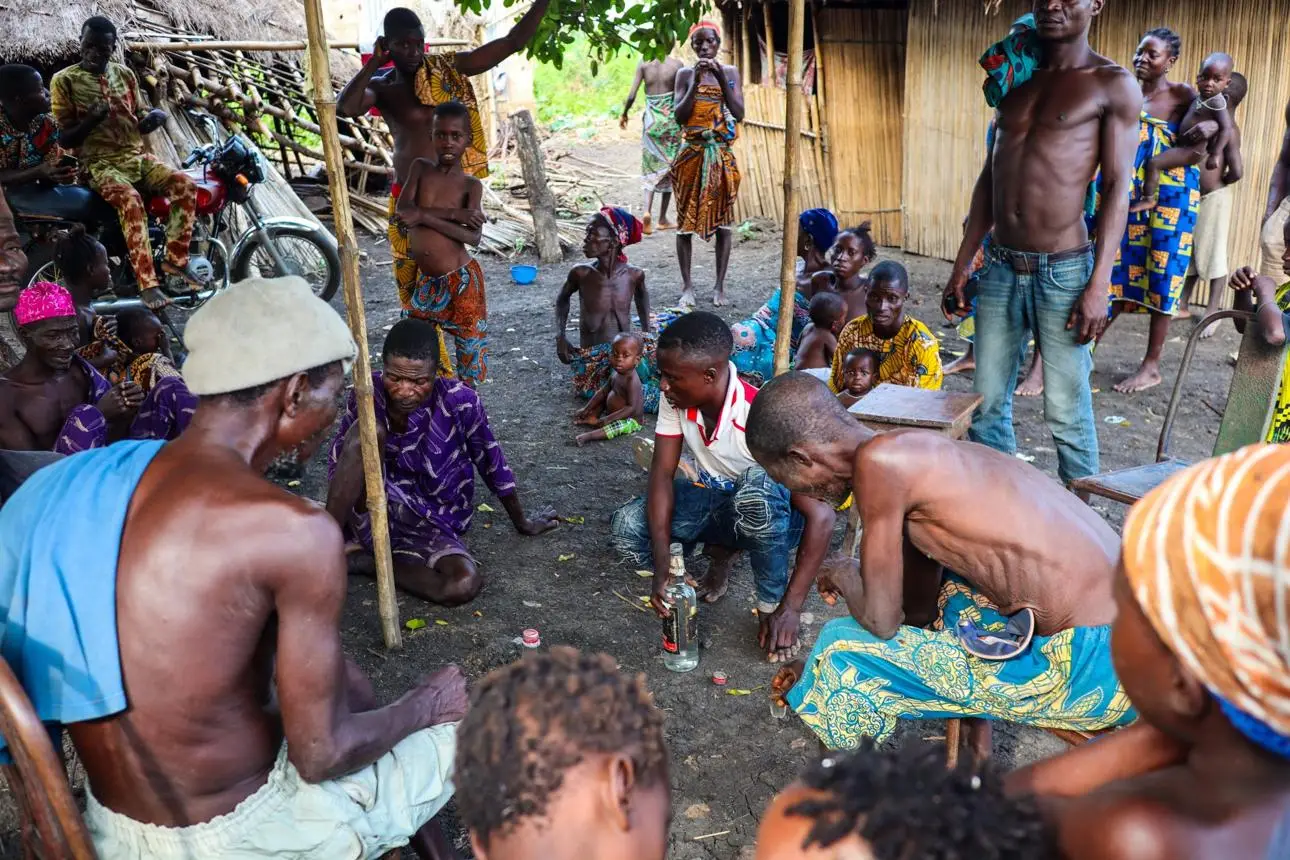
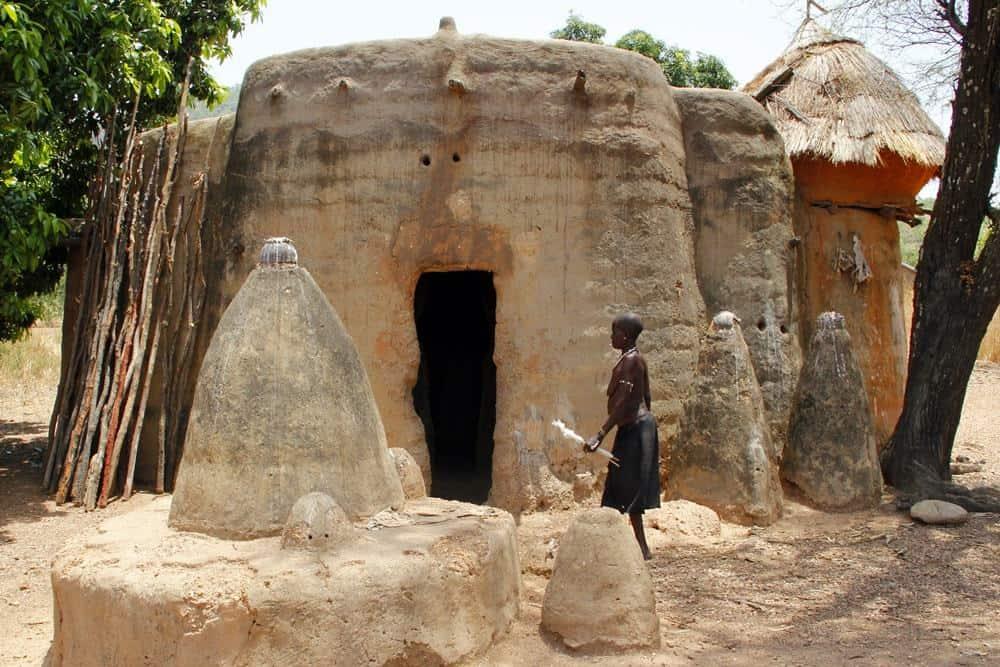
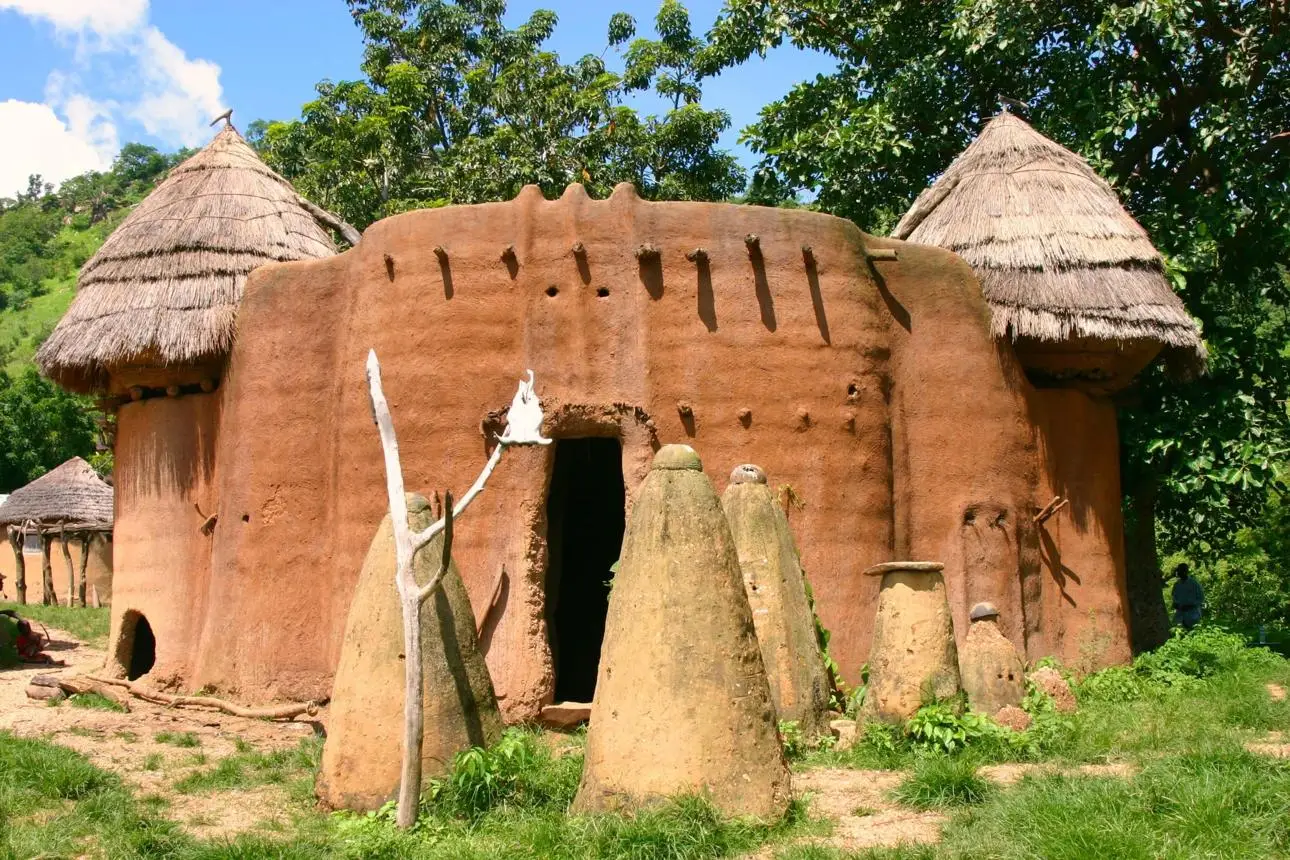
Throughout West Africa, sacred spaces have long served as centers of:
- Worship
- Education
- Community meetings
- Conflict resolution
- Cultural preservation
These spaces symbolize the connection between the physical and spiritual dimensions of life.
Vodun Beyond Africa
Between the 16th and 19th centuries, millions of Africans were forcibly taken across the Atlantic during the transatlantic slave trade.
Despite unimaginable hardships, enslaved Africans preserved elements of their spiritual heritage.
As a result, Vodun-influenced traditions evolved throughout:
- Haiti
- Brazil
- Cuba
- Trinidad and Tobago
- Other parts of the Americas
These traditions remain powerful testimonies to cultural resilience and survival.
Deconstructing Common Misconceptions
Myth: Vodun Is “Dark Magic”
Reality: Authentic Vodun emphasizes moral conduct, community responsibility, healing, and respect for life.
Myth: Vodun Is Polytheistic Witchcraft
Reality: Traditional Vodun recognizes a Supreme Creator while acknowledging various spiritual forces that operate within creation.
Myth: Vodun Is About Fear
Reality: The core purpose of Vodun is harmony, balance, wisdom, and connection between humanity, nature, ancestors, and the divine.
Preserving a Living Heritage
African Vodun is more than a religion—it is a living cultural heritage that encompasses history, philosophy, ethics, art, music, healing knowledge, and community identity.
By studying and preserving these traditions, we honor the generations who safeguarded this wisdom and ensure that future generations can continue to learn from it.
The Historical Development of African Vodun: A Journey Through Time, Tradition, and Resilience
For thousands of years, the peoples of West Africa have nurtured spiritual traditions that connect humanity to the Divine, nature, and ancestral wisdom. Among these traditions, African Vodun stands as one of the oldest and most enduring cultural heritages on the African continent.
Today, Vodun is often misunderstood due to centuries of misrepresentation, colonial narratives, and popular media portrayals. Yet beneath these misconceptions lies a rich history of spirituality, philosophy, cultural identity, and community life that has shaped generations across Benin, Togo, Ghana, and Nigeria.
To truly appreciate the significance of African Vodun, we must travel back through history and explore how this remarkable tradition developed, survived, and continues to thrive in the modern world.
The Ancient Roots of African Vodun
Long before the emergence of kingdoms and modern nations, communities throughout West Africa maintained deep spiritual relationships with the natural world.
Early societies observed the rhythms of nature—the changing seasons, flowing rivers, fertile lands, and celestial movements—and understood these forces as part of a sacred cosmic order. Spirituality was not separated from daily life; it was woven into farming, family relationships, governance, healing, and community celebrations.
These early traditions emphasized several key principles:
- Respect for the Creator
- Reverence for ancestors
- Harmony with nature
- Collective responsibility
- Preservation of sacred knowledge
Knowledge was passed orally from generation to generation through storytelling, ceremonies, songs, and community gatherings. Elders, healers, priests, and priestesses served as guardians of wisdom, ensuring that cultural and spiritual traditions remained alive.
These foundational beliefs would eventually evolve into what we recognize today as Vodun.
The Growth of Organized Spiritual Traditions
As West African societies expanded between the 10th and 14th centuries, spiritual practices became more organized and structured.
Communities began establishing sacred spaces where rituals and ceremonies could be conducted. Specialized spiritual leaders emerged to oversee important religious and cultural activities. Ancestral traditions became increasingly formalized, and sacred symbols gained deeper meaning within society.
During this period, the peoples of present-day Benin, Togo, Ghana, and Nigeria maintained extensive trade routes and cultural exchanges. These interactions encouraged the sharing of ideas, customs, and spiritual practices.
Rather than developing in isolation, Vodun evolved through centuries of cooperation and cultural exchange among neighboring communities. This interconnected development helped create the rich diversity that characterizes African spirituality today.
Migration and Cultural Exchange: The Spread of Sacred Knowledge
Migration has always been a powerful force in African history.
Throughout the centuries, communities moved in search of fertile land, trade opportunities, security, and political stability. As people migrated, they carried with them their beliefs, rituals, songs, symbols, and traditions.
The movement of peoples across West Africa helped spread spiritual knowledge far beyond its original communities.
Through migration, various groups exchanged:
- Sacred teachings
- Ritual practices
- Healing traditions
- Ceremonial music
- Cultural customs
This continuous exchange enriched Vodun traditions and allowed them to adapt to changing social and political environments.
The flexibility of Vodun became one of its greatest strengths, enabling it to remain relevant across generations.
The Rise of Powerful Kingdoms
Between the 15th and 17th centuries, powerful kingdoms began to emerge throughout West Africa.
These included:
- The Kingdom of Allada
- The Kingdom of Abomey
- The Kingdom of Dahomey
- Various Ewe states
- Yoruba city-states
Within these kingdoms, spirituality played a central role in governance and social organization.
Kings and traditional rulers often consulted priests and spiritual advisors before making important decisions. Ceremonies accompanied major events such as coronations, military campaigns, harvest celebrations, and community festivals.
Spiritual institutions became centers of education, cultural preservation, and moral guidance.
As kingdoms expanded, so too did the influence of Vodun traditions.
The Kingdom of Dahomey and the Golden Age of Vodun
Perhaps no period was more influential in the history of Vodun than the rise of the Kingdom of Dahomey in present-day Benin.
Founded during the 17th century, Dahomey developed into one of West Africa’s most powerful and organized kingdoms. Vodun occupied a central place within every aspect of society.
Far more than a spiritual system, Vodun shaped:
- Government institutions
- Community organization
- Cultural identity
- Historical preservation
- Education and moral values
Royal ceremonies frequently incorporated ancestral rituals, sacred dances, traditional drumming, and spiritual consultations.
Temples and shrines served as important centers for both religious practice and cultural education. Priests and priestesses held respected positions within society and played essential roles in preserving collective memory.
Many of the traditions associated with modern Vodun can trace their roots back to practices strengthened during the Dahomean era.
The Transatlantic Slave Trade and the Global Spread of Vodun
The history of Vodun cannot be separated from one of humanity’s darkest chapters—the transatlantic slave trade.
Between the 16th and 19th centuries, millions of Africans were forcibly removed from their homelands and transported across the Atlantic Ocean.
Many of these individuals came from regions where Vodun traditions were deeply rooted.
Despite unimaginable hardship, enslaved Africans carried their cultural and spiritual heritage with them. Through determination and resilience, they preserved aspects of their traditions even in the most challenging circumstances.
These traditions survived through:
- Oral teachings
- Family practices
- Community gatherings
- Sacred songs and rituals
- Cultural memory
As a result, Vodun-inspired traditions emerged throughout the Americas and the Caribbean.
This global spread transformed Vodun from a regional spiritual tradition into an international cultural legacy.
Colonial Rule and the Challenge of Misunderstanding
The arrival of European colonial powers in West Africa introduced new challenges for indigenous traditions.
Colonial administrators and missionaries often viewed African spiritual systems through unfamiliar cultural lenses. As a result, many traditional practices were misunderstood, discouraged, or inaccurately portrayed.
During the colonial era:
- Sacred sites were disrupted.
- Indigenous knowledge systems were marginalized.
- Traditional practices faced social pressure.
- Historical narratives became distorted.
Unfortunately, many stereotypes about Vodun originated during this period and continue to influence public perception today.
Yet despite these challenges, communities across Benin, Togo, Ghana, and Nigeria remained committed to preserving their heritage.
Cultural Resistance and Survival
One of the most remarkable aspects of Vodun history is its ability to survive periods of intense cultural pressure.
Families continued teaching traditions to younger generations. Ceremonies were maintained. Oral histories were preserved. Sacred knowledge was protected.
This resilience ensured that Vodun remained alive even when external forces sought to suppress or replace indigenous traditions.
For many communities, preserving Vodun became an act of cultural resistance and identity preservation.
The survival of these traditions demonstrates the strength of African cultural heritage and the determination of those who safeguarded it.
A New Era of Cultural Revival
Following independence across much of West Africa during the 20th century, interest in traditional cultures began to grow.
Governments, historians, scholars, and community leaders increasingly recognized the importance of preserving indigenous heritage.
Efforts were launched to:
- Document oral traditions
- Restore sacred sites
- Promote cultural festivals
- Support academic research
- Educate younger generations
In Benin particularly, Vodun gained official recognition as an important component of national identity and cultural heritage.
This recognition helped challenge misconceptions and encouraged a deeper appreciation of traditional African spirituality.
African Vodun in the Modern World
Today, African Vodun continues to thrive while adapting to contemporary realities.
Traditional leaders, scholars, cultural organizations, and community members are actively working to preserve and promote authentic knowledge about Vodun heritage.
Modern preservation efforts include:
- Educational websites
- Cultural museums
- Academic publications
- Heritage festivals
- Documentary projects
- Digital archives
These initiatives help ensure that future generations can learn about their history and appreciate the richness of African spiritual traditions.
Far from being a relic of the past, Vodun remains a living heritage that continues to evolve while honoring ancestral wisdom.
Why Preserving Vodun History Matters
The history of African Vodun is more than the story of a spiritual tradition. It is the story of communities, civilizations, migrations, resilience, and cultural survival.
Preserving this history helps us:
- Understand African civilizations more accurately
- Challenge harmful stereotypes
- Protect indigenous knowledge
- Celebrate cultural diversity
- Honor ancestral contributions
- Inspire future generations
Every tradition carries valuable insights into the human experience, and Vodun is no exception.
Its history reminds us that knowledge can survive adversity, culture can transcend borders, and heritage can continue to inspire long after the passage of centuries.
Final Thoughts
From ancient West African communities to the kingdoms of Dahomey, from the challenges of colonialism to the opportunities of the digital age, the historical development of African Vodun reflects an extraordinary journey of endurance and transformation.
It is a story rooted in spirituality, strengthened by community, preserved by ancestors, and carried forward by those who continue to honor their heritage today.
As we explore the history of Vodun, we gain more than historical knowledge—we gain a deeper understanding of the values, wisdom, and cultural legacy that have shaped generations across Benin, Togo, Ghana, and Nigeria.
The story of African Vodun is still being written, and its heritage continues to illuminate the path between the past, the present, and the future.
Core Beliefs of African Vodun (Africa Voodoo)
African Vodun, often referred to in popular culture as Africa Voodoo, is one of the most profound and ancient spiritual systems originating from West Africa. Rooted deeply in the traditions of peoples from regions such as the present-day Benin, Togo, Ghana, and Nigeria, African Vodun is not merely a religion—it is a complete worldview that connects humanity, nature, and the spiritual realm.
At its core, African Vodun teaches that everything in existence is interconnected through unseen spiritual forces. It emphasizes balance, respect for nature, ancestral reverence, and communication with divine energies that govern the universe.
The Supreme Creator and Divine Order
In African Vodun belief, there is a supreme creator often regarded as the source of all life. This creator is distant from daily human affairs but remains the origin of universal order. Everything in existence flows from this divine intelligence.
However, unlike some belief systems where worship is directed primarily to a single deity, African Vodun focuses more on the interaction between humans and intermediary spiritual forces known as spirits (Vodun).
These spirits act as guides, protectors, and enforcers of balance in the universe. They are not “gods” in the Western sense, but manifestations of divine energy working through nature and existence.
Spirits (Vodun) as Forces of Nature
One of the strongest foundations of African Vodun is the belief in spirits that inhabit everything—rivers, mountains, trees, wind, and even abstract concepts like fertility, justice, and protection.
These spirits are not distant beings; they are active forces that influence daily life. Each spirit has its own personality, purpose, and domain of influence.
For example:
- Water spirits govern rivers and oceans
- Earth spirits protect land and fertility
- Sky spirits regulate weather and communication
- Ancestral spirits guide family and community decisions
This belief system creates a strong spiritual respect for nature. Destroying the environment is often seen as disturbing spiritual balance.
Ancestor Reverence and Spiritual Continuity
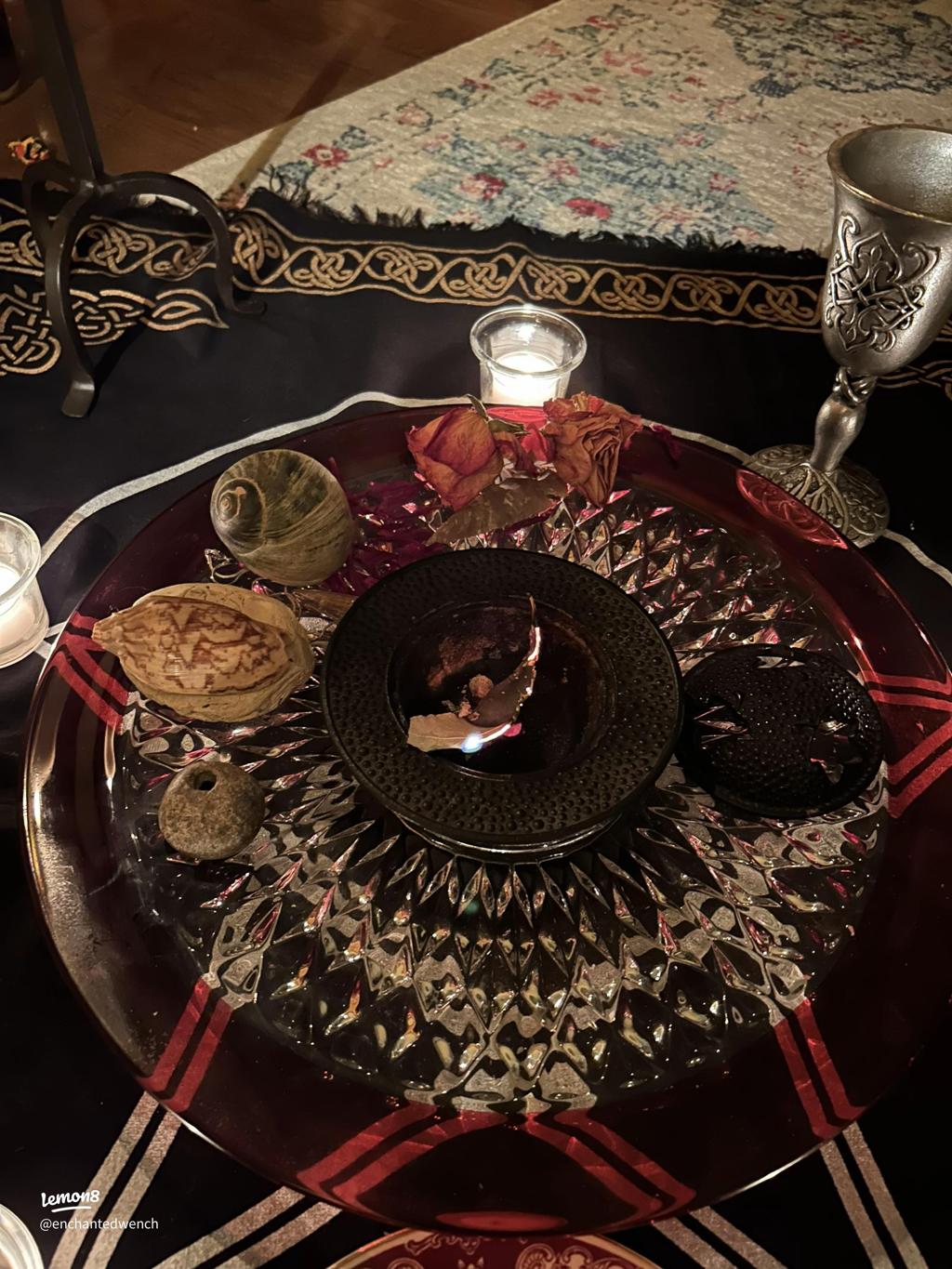
In African Vodun, death is not an end but a transition. Ancestors are believed to continue existing in the spiritual realm and remain actively involved in the lives of their descendants.
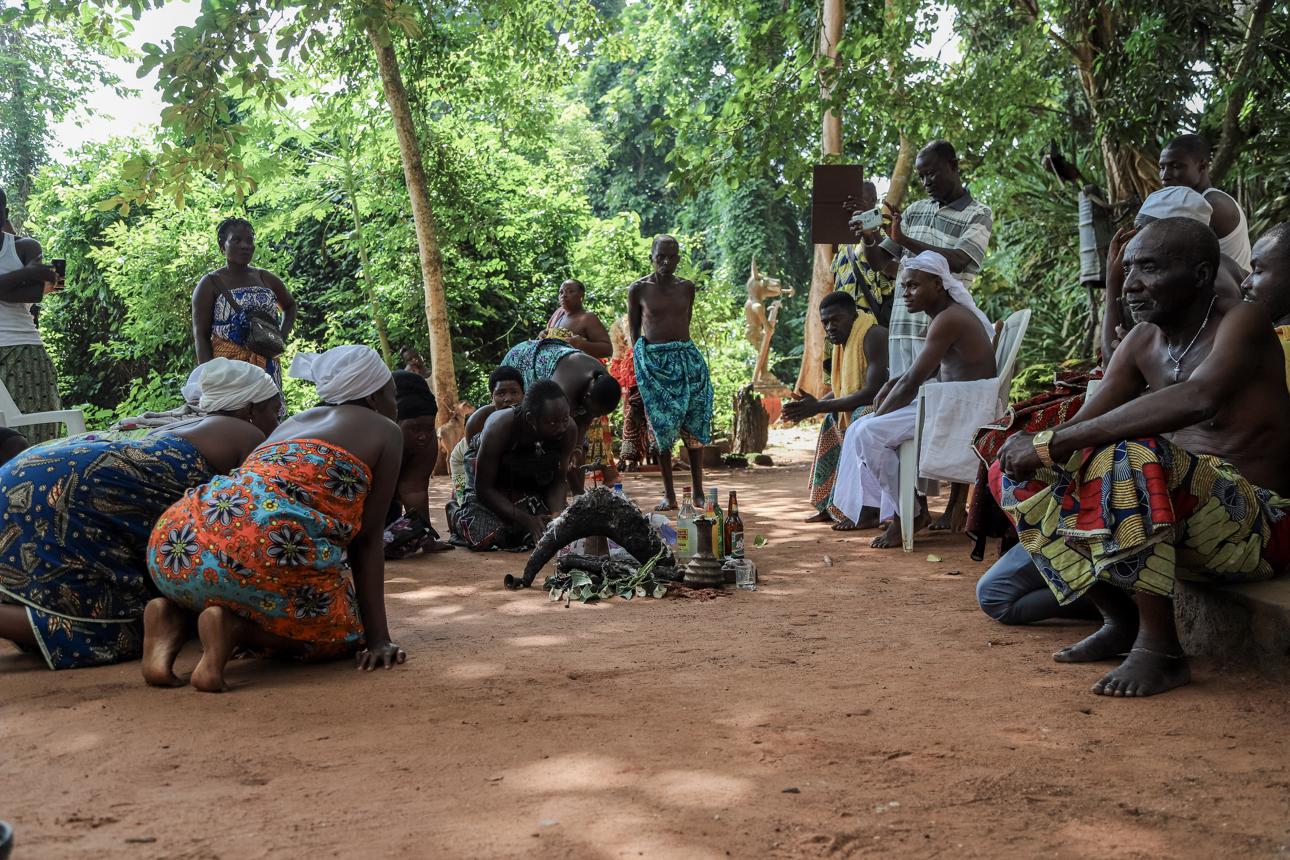
Families often maintain communication with ancestors through:
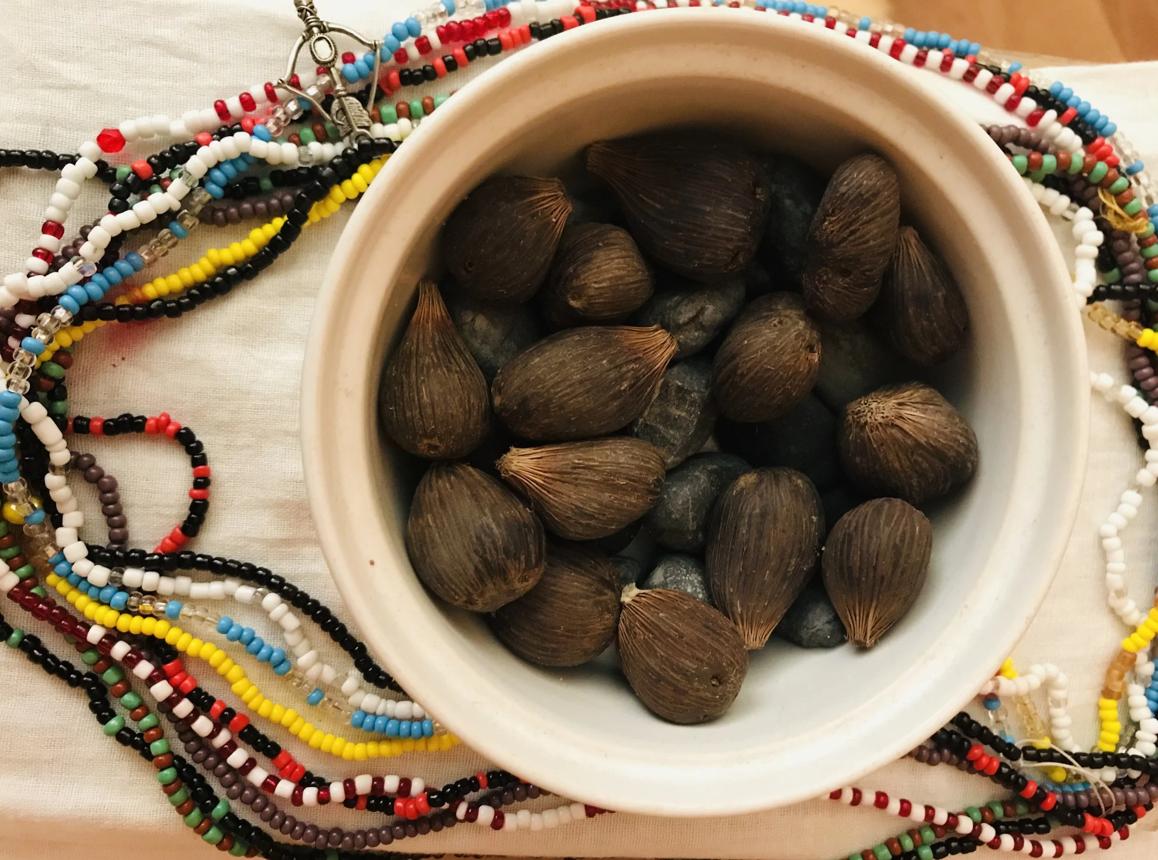
- Prayers and invocations
- Offerings of food or symbolic items
- Ritual ceremonies led by priests or priestesses
Ancestors serve as protectors and moral guides. When families experience misfortune or success, it is often interpreted as ancestral approval or warning.
This strong connection between the living and the dead reinforces unity across generations and preserves cultural identity.
The Role of Priests and Priestesses
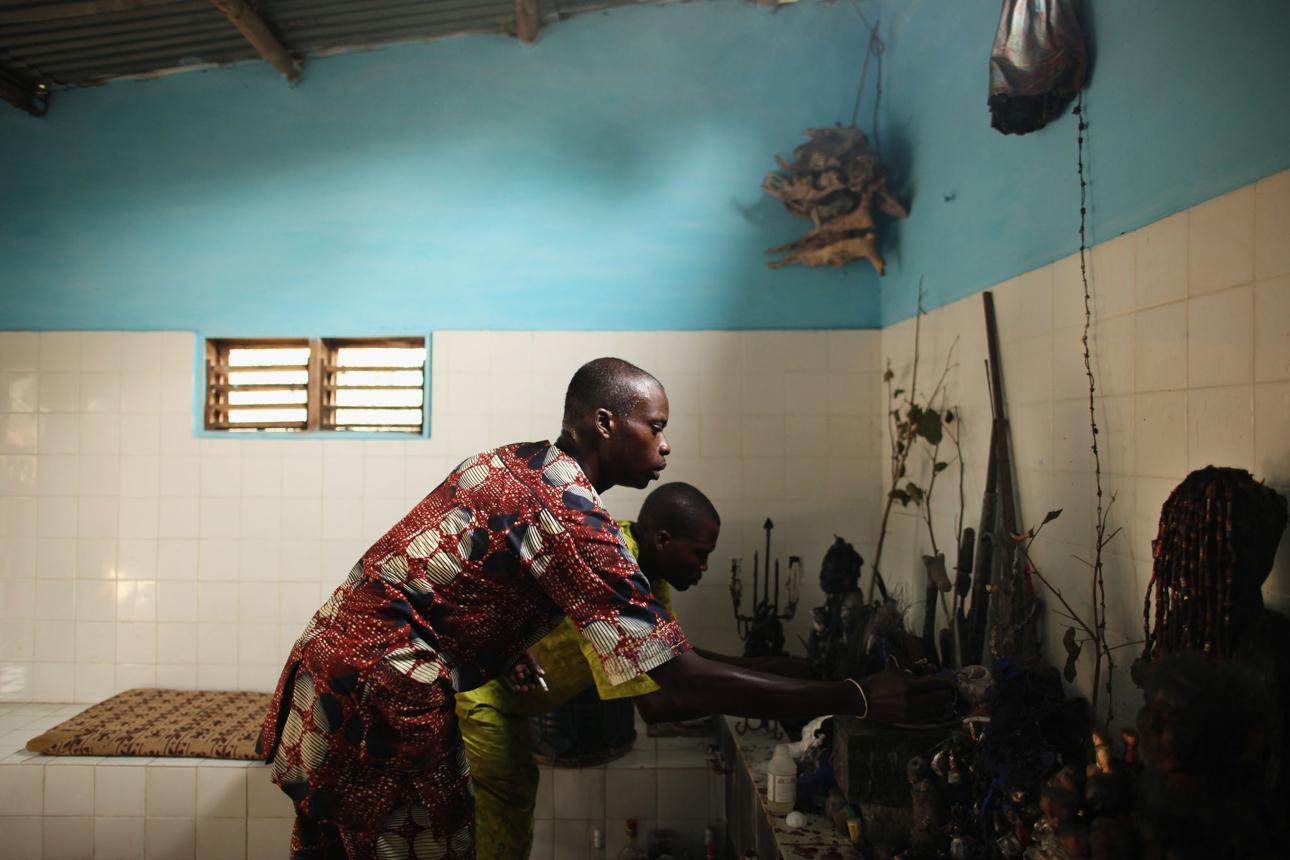
African Vodun is guided by trained spiritual leaders often known as priests and priestesses. These individuals are responsible for maintaining harmony between the physical and spiritual worlds.
They are not just religious figures but also:
- Healers using herbal and spiritual knowledge
- Interpreters of spiritual messages
- Custodians of sacred traditions
- Mediators between humans and spirits
Their training is often long and rigorous, involving initiation rites, spiritual discipline, and deep study of ancestral knowledge.
Through their guidance, communities seek protection, healing, and direction during important life decisions.
Balance, Harmony, and Moral Living
A key principle in African Vodun is balance. Life is seen as a continuous interaction between opposing forces—light and dark, male and female, order and chaos.
The goal is not to eliminate these forces but to maintain harmony between them.
Moral behavior is deeply connected to this balance. Actions such as dishonesty, harm, or disrespect toward nature and community are believed to disturb spiritual equilibrium.
Therefore, ethical living is not just social—it is spiritual responsibility.
Rituals as Communication with the Spirit World
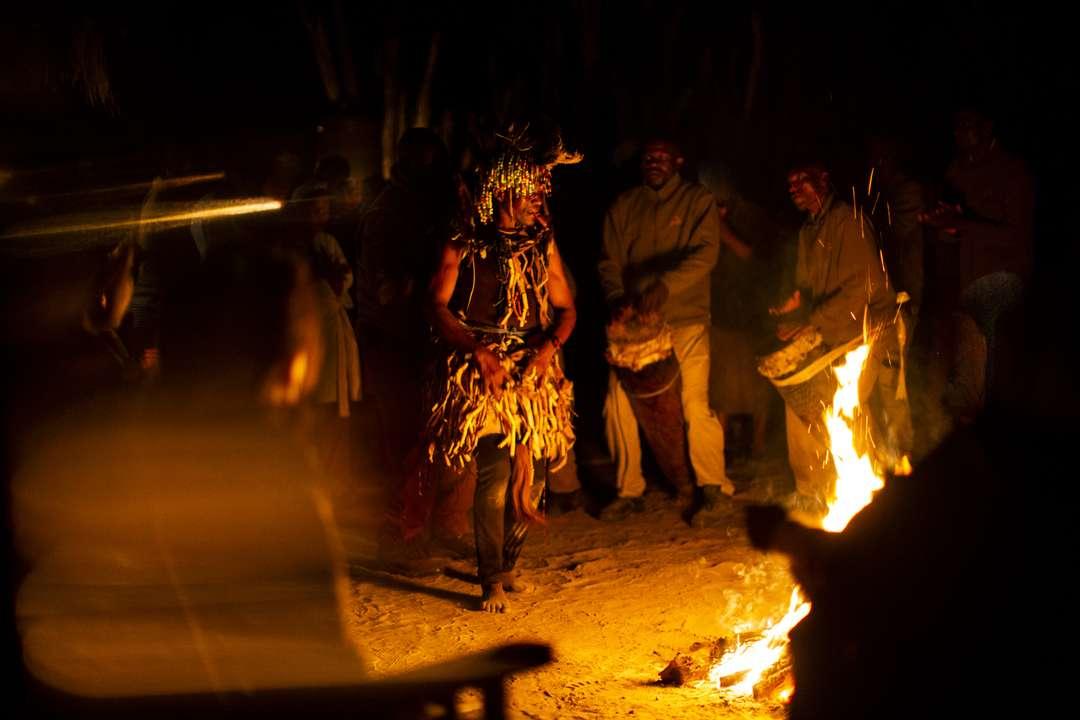
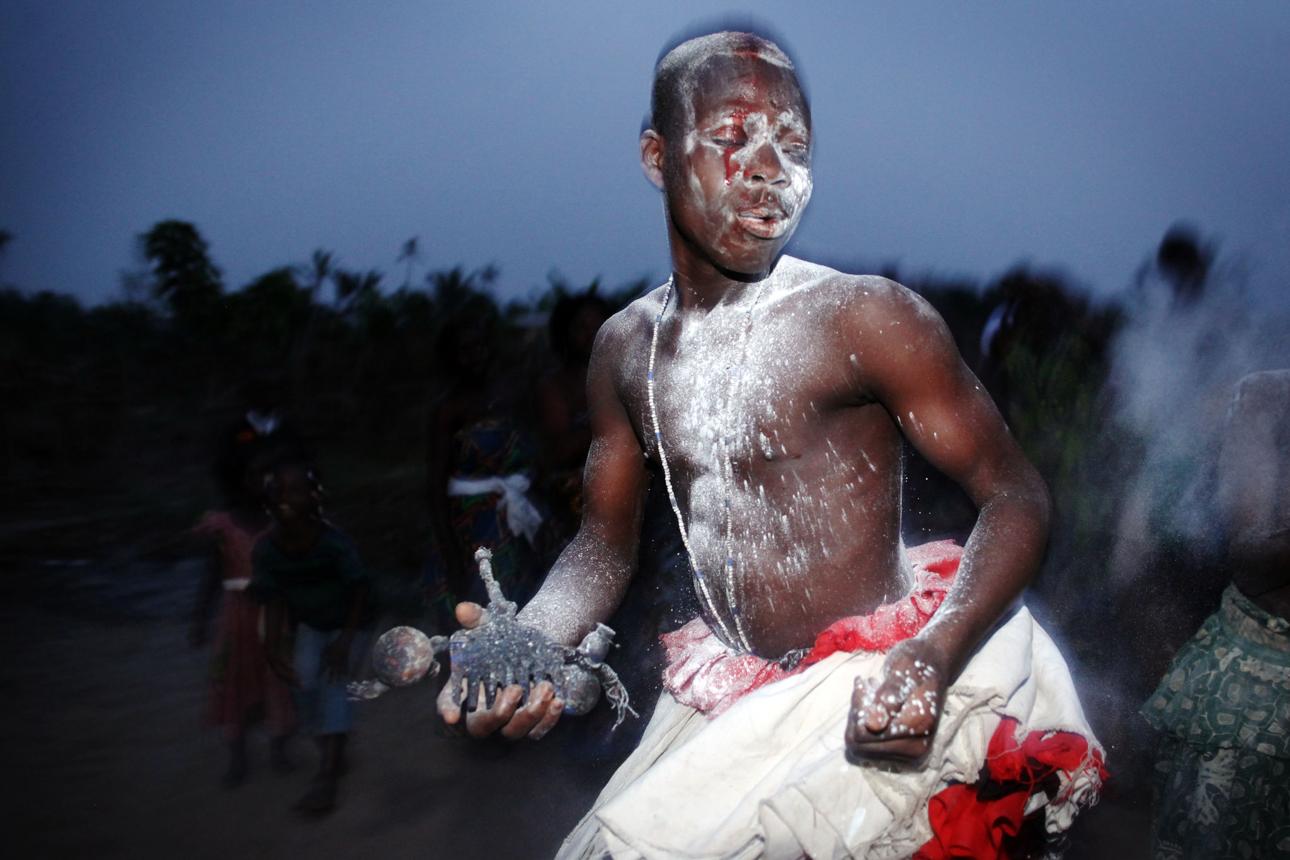
Rituals in African Vodun are not symbolic alone—they are real forms of communication between humans and the spiritual realm.
These rituals may include:
- Drumming and chanting
- Dance movements that invite spiritual presence
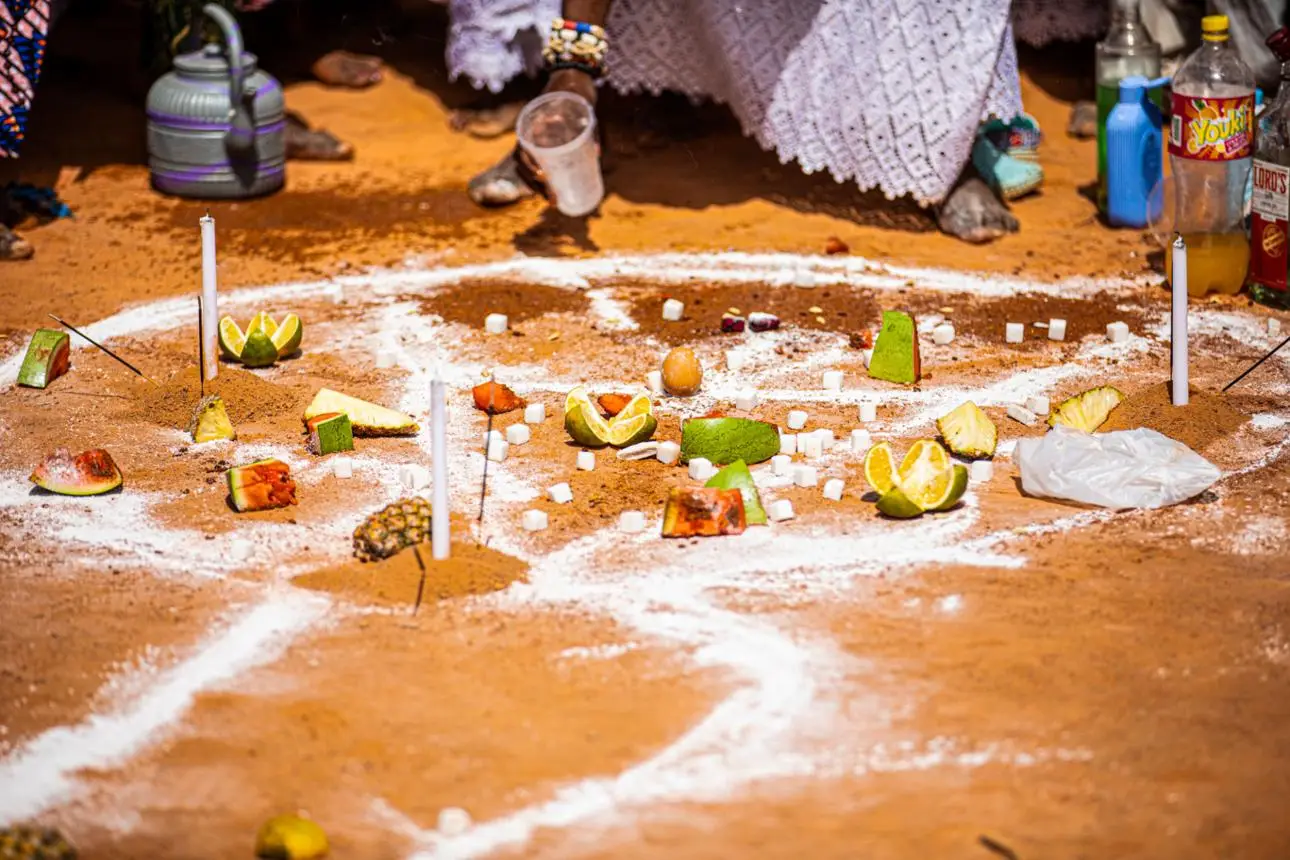
- Offerings such as food, drinks, or symbolic objects
- Sacred symbols drawn on shrines or ground spaces
Each ritual has a specific purpose: healing, protection, guidance, or thanksgiving.
Through ritual practice, believers strengthen their connection to unseen forces and restore balance in life situations.
Rituals as Communication with the Spirit World
Rituals in African Vodun are not symbolic alone—they are real forms of communication between humans and the spiritual realm.
These rituals may include:
- Drumming and chanting
- Dance movements that invite spiritual presence
- Offerings such as food, drinks, or symbolic objects
- Sacred symbols drawn on shrines or ground spaces
Each ritual has a specific purpose: healing, protection, guidance, or thanksgiving.
Through ritual practice, believers strengthen their connection to unseen forces and restore balance in life situations.
The Sacred Power of Nature
African Vodun strongly teaches that nature is sacred. Forests, rivers, stones, and animals are not just physical resources—they are spiritual vessels.
Certain places are considered holy and are protected as sacred grounds. These locations are often used for rituals, prayer, and spiritual cleansing.
This belief promotes environmental respect and sustainable interaction with nature. Many traditional practices emphasize preserving natural balance rather than exploiting it.
Destiny, Spiritual Energy, and Human Responsibility
In African Vodun, every person is believed to have a destiny shaped by spiritual forces before birth. However, destiny is not fixed—it can be influenced by actions, choices, and spiritual alignment.
This means humans have responsibility in shaping their own path. Through rituals, guidance from priests, and moral living, individuals can align themselves with positive spiritual energy.
This balance between destiny and free will creates a dynamic understanding of life, where effort and spirituality work together.
The core beliefs of African Vodun (Africa Voodoo) form a deeply interconnected system that unites spirituality, nature, ancestry, and human behavior. It is not a superstition or fragmented belief system, but a structured worldview that emphasizes balance, respect, and harmony.
From the reverence of ancestors to the recognition of spirits in nature, African Vodun teaches that life is spiritual at every level. It continues to influence cultural identity, moral values, and traditional practices across West Africa and beyond.
Understanding African Vodun is essential to appreciating the richness of African spiritual heritage and its lasting impact on culture, history, and human connection to the unseen world.
Community Role
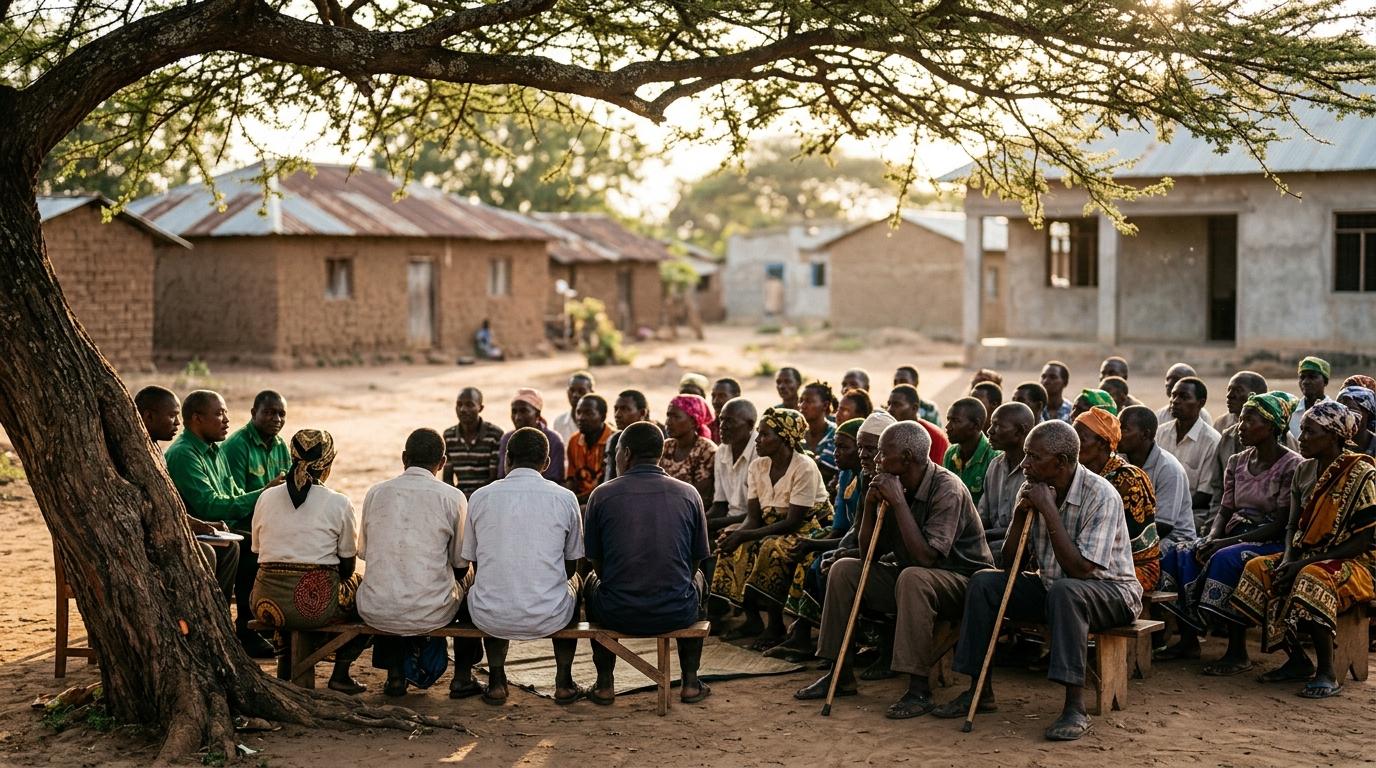
Community Role in African Vodun (Africa Voodoo)
In African Vodun, often referred to as Africa Voodoo, the community is not just a social structure—it is a spiritual organism. Every individual, family, and leadership role is interconnected through shared beliefs, rituals, and responsibilities that maintain harmony between the physical and spiritual worlds. The practice of African Vodun is deeply rooted in collective participation, meaning that spirituality is never isolated or personal alone; it is lived and expressed within the community.
Across regions such as Benin, Togo, Ghana, and Nigeria, African Vodun has shaped how communities organize themselves, resolve conflicts, celebrate life events, and preserve cultural identity.
Community as a Spiritual Unit
In African Vodun belief, a community is more than a group of people living in the same area. It is considered a spiritual unit bound by ancestral ties and shared destiny. Every action taken by an individual is believed to affect the entire community spiritually.
This collective mindset encourages responsibility, unity, and moral discipline. If one person disrupts harmony—through dishonesty, violence, or disrespect—it is believed that the imbalance can affect everyone spiritually and physically.
Because of this, community members are often encouraged to act in ways that promote peace, cooperation, and respect for tradition.
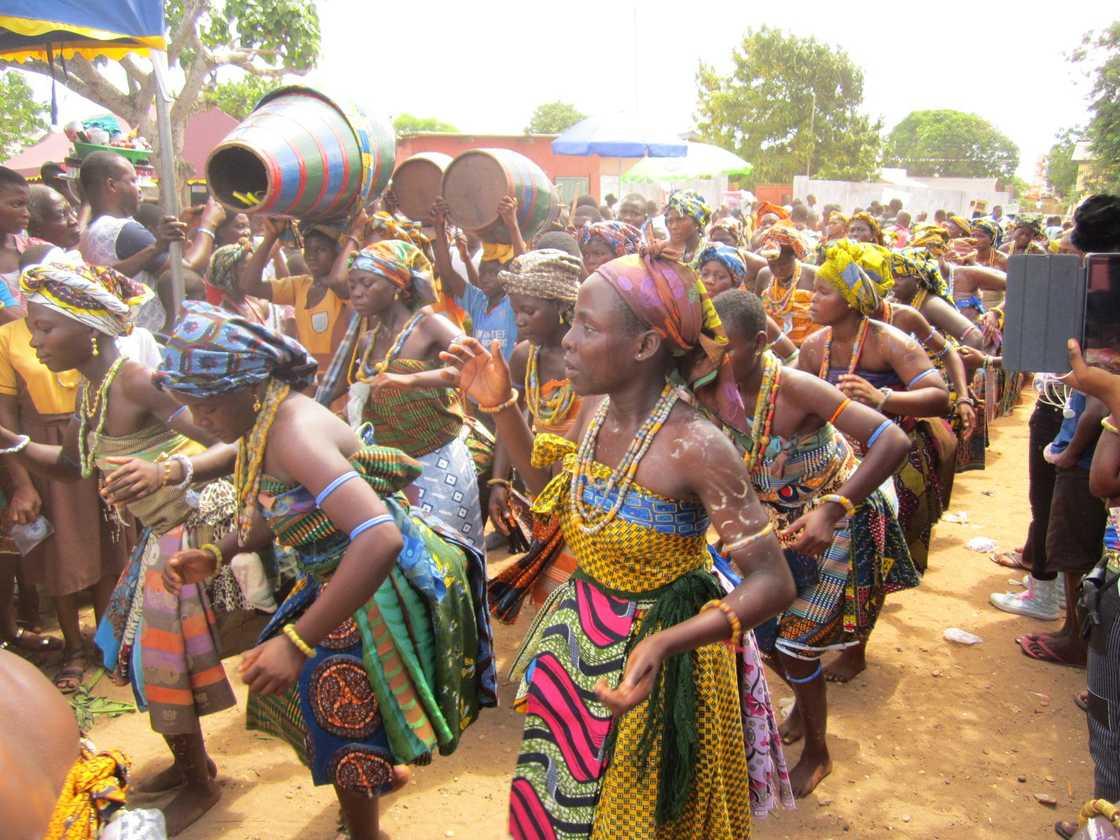
Community as a Spiritual Unit
In African Vodun belief, a community is more than a group of people living in the same area. It is considered a spiritual unit bound by ancestral ties and shared destiny. Every action taken by an individual is believed to affect the entire community spiritually.
This collective mindset encourages responsibility, unity, and moral discipline. If one person disrupts harmony—through dishonesty, violence, or disrespect—it is believed that the imbalance can affect everyone spiritually and physically.
Because of this, community members are often encouraged to act in ways that promote peace, cooperation, and respect for tradition.
The Role of Elders and Traditional Leaders
Elders play a central role in African Vodun communities. They are considered keepers of wisdom, tradition, and ancestral knowledge. Their responsibility is not only political or social but also spiritual.
They guide decision-making in areas such as:
- Conflict resolution between families
- Interpretation of spiritual signs
- Organization of festivals and rituals
- Preservation of oral traditions and history
In many African Vodun communities, elders are respected because they are believed to be closer to the ancestors due to their age and life experience. Their words often carry spiritual weight, and their decisions are rarely questioned.
Traditional leaders also work closely with spiritual priests and priestesses to ensure that community actions align with spiritual laws.
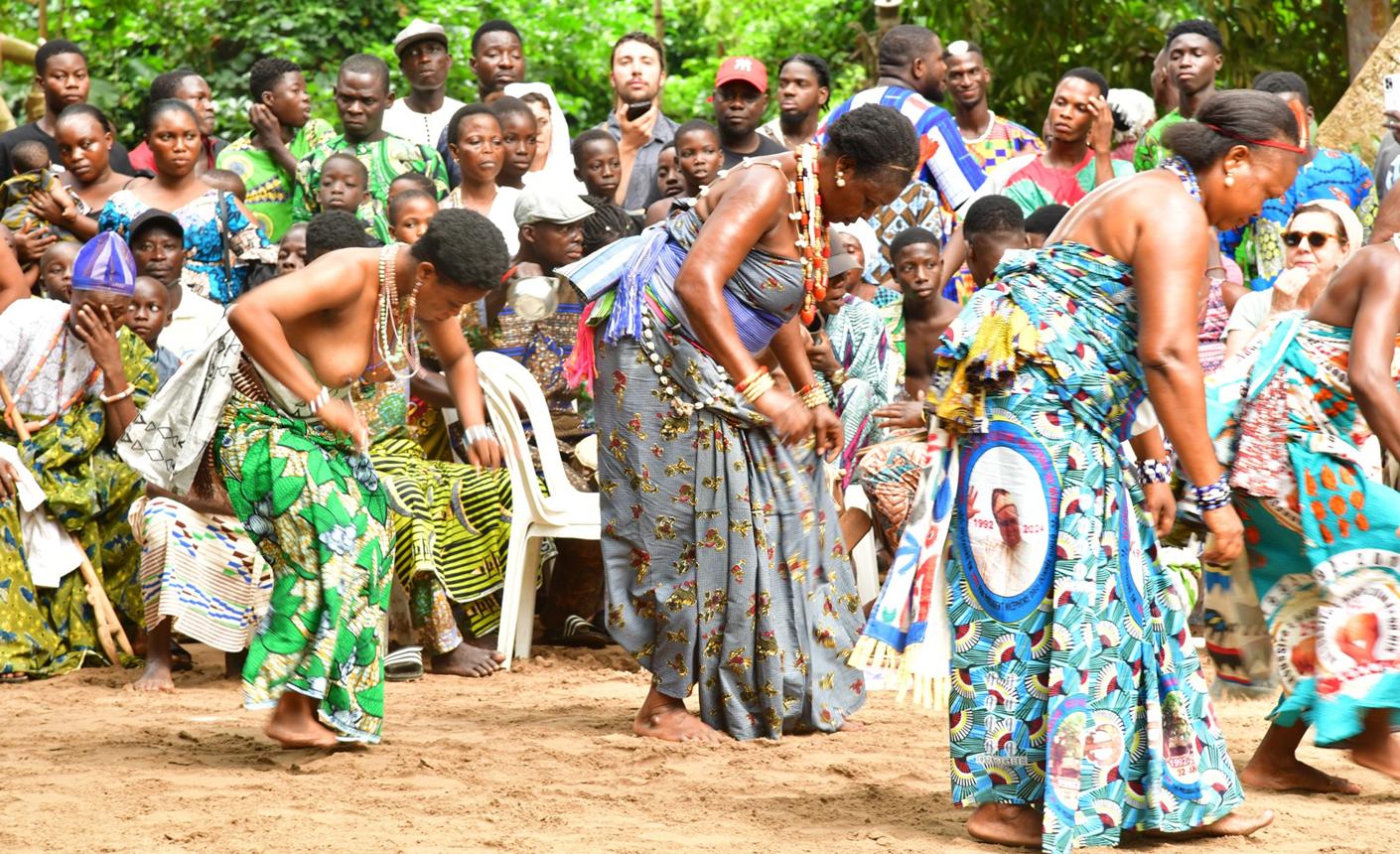
Priests, Priestesses, and Community Guidance
Within African Vodun (Africa Voodoo), priests and priestesses are vital connectors between the spiritual and human worlds. They do not operate in isolation but serve the entire community.
Their responsibilities include:
- Conducting public rituals and ceremonies
- Offering spiritual consultation to families
- Healing the sick using herbal and spiritual knowledge
- Protecting the community from negative spiritual forces
- Interpreting messages from spirits and ancestors
In many communities, when challenges arise—such as illness, drought, or conflict—the first step is often to consult spiritual leaders before taking physical action.
This reflects the belief that every physical problem has a spiritual dimension.
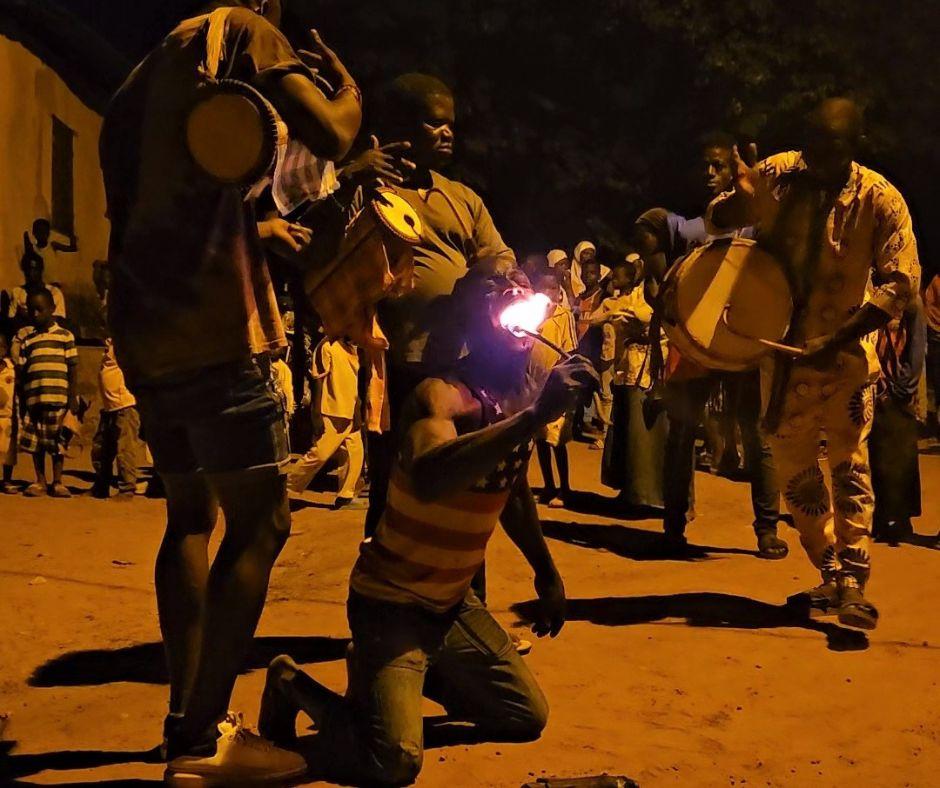
Festivals and Collective Worship
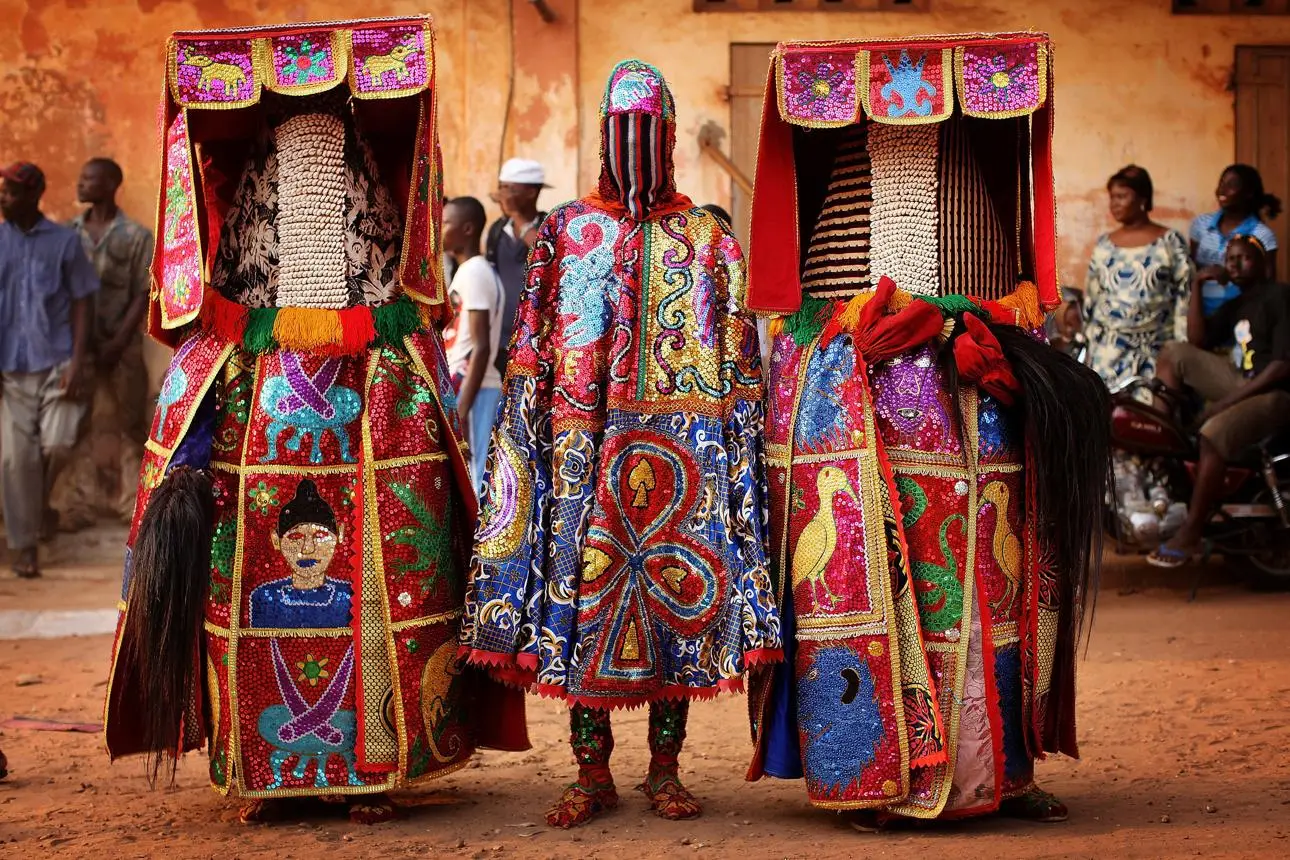
Festivals are one of the most visible expressions of African Vodun community life. These events bring together entire towns and villages in celebration, worship, and remembrance.
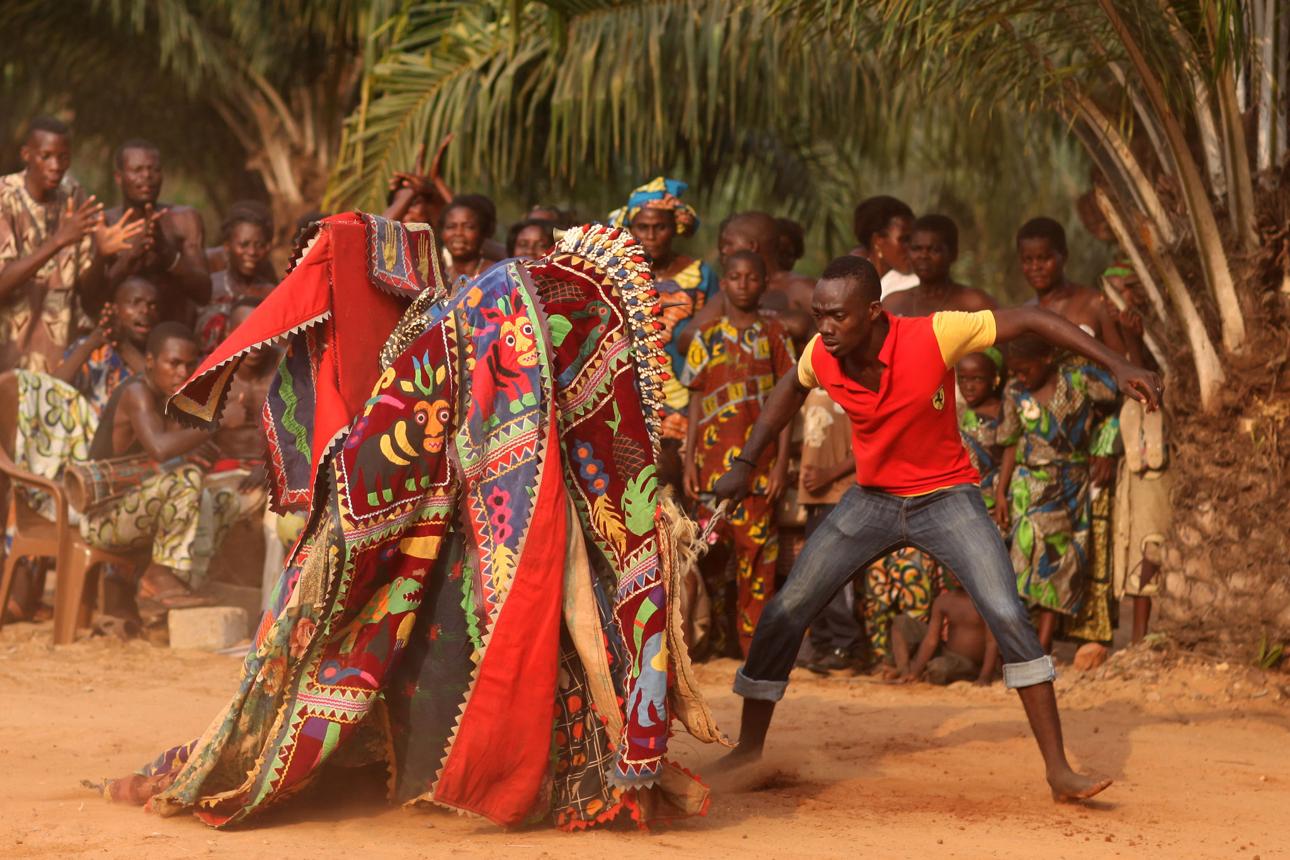
During festivals, communities engage in:
- Drumming and traditional music
- Masked dances and cultural performances
- Offerings to spirits and ancestors
- Public blessings and prayers for prosperity
These gatherings strengthen unity and reinforce cultural identity. They also serve as a way of passing traditions to younger generations, ensuring that African Vodun heritage remains alive.
Conflict Resolution and Justice System
In African Vodun communities, justice is often handled through a combination of spiritual and traditional systems. Instead of relying only on punishment, the focus is on restoring balance.
When conflicts occur, elders and spiritual leaders may:
- Hear both sides of a dispute
- Consult spiritual signs or divination
- Determine the moral root of the issue
- Recommend reconciliation rituals or compensation
The goal is not just to punish wrongdoing but to restore harmony within the community and with the spiritual world.
This system reinforces forgiveness, accountability, and unity.
Family Structure and Shared Responsibility
Family is the foundation of African Vodun society. However, family is not limited to the nuclear structure. It extends to extended relatives, ancestors, and even community members who are treated as kin.
Every family has responsibilities such as:
- Honoring ancestors through rituals and remembrance
- Teaching children cultural and spiritual values
- Participating in community festivals
- Supporting communal development projects
Children are raised collectively, meaning that discipline and guidance can come from any responsible adult in the community.
This shared responsibility ensures that values are preserved across generations.
Protection of Culture and Spiritual Heritage
One of the strongest community roles in African Vodun is the preservation of cultural identity. Communities actively protect their traditions from being lost or forgotten.
This includes:
- Teaching oral history and myths
- Preserving sacred shrines and sites
- Training new initiates in spiritual practices
- Passing down ritual songs, symbols, and dances
In regions like Benin and Togo, Vodun is not just a belief system—it is part of national identity and cultural pride. Communities take responsibility for ensuring that African Vodun continues to thrive despite modernization.
Community as a Bridge Between Worlds
Ultimately, the community in African Vodun serves as a bridge between the physical world and the spiritual realm. Every ceremony, decision, and celebration reflects this connection.
Through unity, respect for elders, participation in rituals, and shared moral responsibility, communities maintain balance between human life and spiritual forces.
African Vodun teaches that no individual exists alone. Everyone is part of a larger spiritual network that includes ancestors, spirits, nature, and future generations.
The community role in African Vodun (Africa Voodoo) is essential to understanding its strength and continuity. It is a system built on unity, shared responsibility, and spiritual connection. From elders and priests to families and festivals, every part of the community contributes to maintaining harmony between the seen and unseen worlds.
By preserving traditions, resolving conflicts through balance, and celebrating together in rituals, African Vodun communities ensure that their heritage remains alive and meaningful.
In essence, African Vodun is not just practiced—it is lived collectively, making the community its strongest foundation.