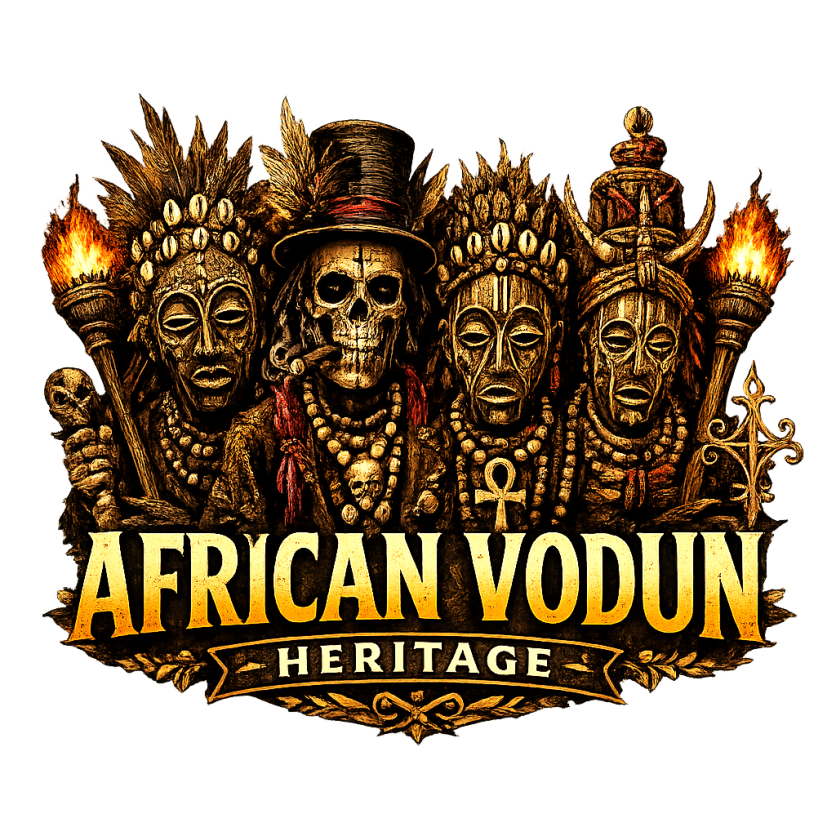

Understanding African Vodun Traditions
African Vodun, often associated with religions and practices in West Africa, is a rich tapestry of beliefs and rituals. It places great emphasis on spirituality and connection with ancestors, nature, and fellow beings. This deep-seated tradition has survived centuries of change and remains vital in many communities today.
The Historical Context of Vodun
The history of Vodun is profound and complex. It encapsulates ancient practices that predate colonial influences, evolving through interactions with various cultures. This historical journey illustrates resilience, as Vodun traditions adapted while safeguarding essential beliefs and practices. Understanding this context is crucial to appreciating the heritage that Vodun represents in modern African societies.
Celebrating Vodun Rituals
Rituals play a pivotal role in Vodun practice, including ceremonies for healing, agriculture, and honoring spirits. They are often marked by vibrant celebrations featuring music, dance, and colorful attire, showcasing the rich culture and community spirit. Engaging in these rituals not only serves a spiritual purpose but also strengthens community ties, ensuring that ancient practices are passed down through generations.
In conclusion, African Vodun heritage is a treasure trove of knowledge and tradition. By exploring its remarkable traditions, historical context, and vibrant rituals, we gain insight into a culture that values community, spirituality, and the environment. This appreciation fosters a deeper understanding of the world and its diverse traditions.