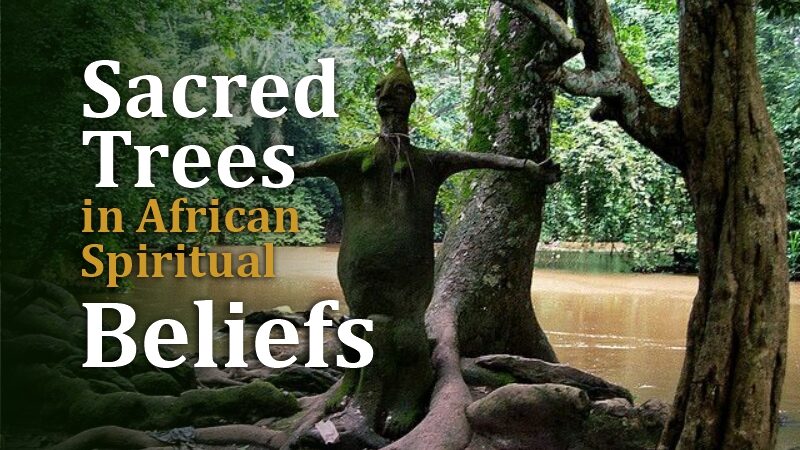
Discover the importance of sacred trees in African spiritual beliefs. Learn how these ancient trees symbolize wisdom, community, nature, and cultural heritage across African traditions, including Vodun.
Trees have always played an essential role in human life. They provide shade, clean the air, protect the soil, and offer food, medicine, and shelter for countless living creatures. In Africa, however, many trees hold a significance that goes far beyond their physical benefits. For generations, certain trees have been regarded as sacred because they represent life, wisdom, continuity, and the deep connection between humanity, nature, and the spiritual world.
Across many African cultures, including the Vodun traditions of Benin, sacred trees are respected as important parts of cultural and spiritual heritage. They often stand at the center of community life, serving as gathering places, historical landmarks, and symbols of ancestral memory. These trees are not valued simply because of their age or size, but because they remind communities of the relationship between people, the environment, and the traditions passed down through generations.
Understanding Sacred Trees in African Spiritual Beliefs offers a deeper appreciation of how African societies have preserved both nature and culture through respect for the environment. It also highlights timeless lessons about conservation, community, and the importance of protecting the natural world for future generations.
The Meaning of Sacred Trees
In many African traditions, a tree becomes sacred because of its historical, cultural, or spiritual importance. Some trees are associated with important events in a community’s history, while others are remembered as places where elders gathered to make decisions, resolve conflicts, or teach younger generations. Over time, these trees become symbols of identity and continuity, representing the shared heritage of the people who live around them.
Unlike ordinary landmarks that may disappear over time, ancient trees often survive for centuries. Their long lifespan allows them to witness the growth of families, villages, and entire communities. Because of this, they are sometimes regarded as living reminders of the past, connecting present generations with the wisdom and experiences of their ancestors.
This understanding encourages people to treat certain trees with great respect, recognizing that they are more than part of the landscape—they are part of the community’s history.
Trees as Symbols of Life and Growth
Trees naturally represent life because they begin as small seeds and gradually grow into towering structures that can live for hundreds of years. Their deep roots provide stability, while their branches reach toward the sky, creating a powerful symbol of strength, resilience, and hope.
Many African communities see this growth as a reflection of human life. Just as a tree requires care, water, and fertile soil to flourish, people also need strong families, supportive communities, and cultural values to grow into responsible adults. The steady growth of a tree reminds people that meaningful progress takes time and patience.
This symbolism has made trees important teaching tools within traditional societies, where elders often use nature to explain life’s most valuable lessons.
Sacred Trees in the Vodun Tradition
Within the Vodun heritage of Benin, nature plays a central role in maintaining harmony between the physical and spiritual worlds. Sacred trees are often found in forests, shrines, and ceremonial spaces where communities gather for cultural celebrations and traditional observances.
Rather than viewing these trees as objects of worship, many communities regard them as places that deserve respect because of their historical and cultural significance. They often provide peaceful environments where people reflect, pray, hold community discussions, or preserve traditions that have been passed down for generations.
These sacred spaces remind people that nature is not separate from human life. Instead, forests, rivers, and trees are seen as essential parts of the environment that supports both cultural identity and community wellbeing.
The Baobab: Africa’s Tree of Life

Among the most respected trees in Africa is the majestic baobab. Often called the “Tree of Life,” the baobab is famous for its enormous trunk, remarkable lifespan, and ability to store large quantities of water during dry seasons. Some baobab trees are believed to be over a thousand years old, making them living witnesses to centuries of African history.
Throughout many African communities, the baobab serves as a meeting place where elders gather to discuss important matters, settle disputes, and pass traditional knowledge to younger generations. Because of its strength and longevity, it has become a symbol of endurance, wisdom, and community unity.
The baobab also provides practical benefits. Its fruit is highly nutritious, its leaves are used in traditional cooking, and its bark has long been valued for making rope and other useful materials. This combination of cultural importance and practical value explains why the baobab remains one of Africa’s most treasured trees.

Sacred Forests and Ancient Trees
In many parts of West Africa, sacred trees are found within protected forests that have been preserved for generations. These forests are often regarded as places of cultural importance where traditional ceremonies, storytelling, and community gatherings take place.
The protection of sacred forests has also produced important environmental benefits. Because communities have respected these areas for centuries, many have remained rich in biodiversity, providing habitats for birds, mammals, insects, and countless plant species. Long before modern conservation became a global concern, African traditions were already encouraging the protection of these natural environments.
Today, sacred forests continue to demonstrate how cultural beliefs can contribute to environmental sustainability and biodiversity conservation.
Trees as Places of Community Gathering
Before modern meeting halls and public buildings became common, large trees often served as natural gathering places. Their wide branches provided shade from the sun, creating comfortable spaces where people could hold discussions, celebrate festivals, tell stories, and resolve disputes.
Village elders frequently met beneath these trees to make decisions affecting the entire community. Children listened as historical events, proverbs, and traditional wisdom were shared through storytelling. In this way, the tree became more than a physical object—it became a symbol of knowledge, justice, and unity.
Even today, many rural communities continue to value these traditional gathering places as reminders of their shared history.
The Connection Between Trees and Ancestors
Across many African cultures, trees are closely connected with memory and ancestry. Because they often live much longer than human beings, they symbolize continuity between generations. A tree planted by one generation may continue growing long after those who planted it have passed away, providing shade and beauty for their descendants.
For this reason, certain trees are associated with remembrance and family heritage. They remind people that every generation builds upon the efforts and sacrifices of those who came before. Just as the roots support the tree, ancestors provide the cultural foundations upon which communities continue to grow.
This symbolism reinforces the importance of respecting family history and preserving traditions for future generations.
Trees and Environmental Stewardship
African traditional beliefs often teach that caring for nature is both a practical responsibility and a cultural value. Trees protect rivers from erosion, improve soil fertility, provide habitats for wildlife, and contribute to healthy climates. Recognizing these benefits, many communities have developed customs that discourage unnecessary destruction of important trees and forests.
These traditional conservation practices demonstrate remarkable environmental wisdom. By protecting sacred trees, communities also protect biodiversity, water resources, and agricultural productivity. This understanding remains highly relevant today as many countries work to address climate change and environmental degradation.
Modern conservation efforts increasingly recognize the value of indigenous knowledge in protecting ecosystems, highlighting the important role traditional communities continue to play in environmental stewardship.
Lessons Sacred Trees Teach
Sacred trees offer timeless lessons that remain meaningful in today’s world. Their deep roots remind us to stay connected to our history and cultural identity. Their steady growth encourages patience and perseverance, while their branches reaching toward the sky symbolize hope and continuous learning.
The shade provided by large trees reflects generosity, offering comfort not only to those who planted them but also to future generations. Their ability to withstand storms teaches resilience, demonstrating that strength often comes from remaining firmly rooted while adapting to changing circumstances.
These natural lessons have inspired African communities for centuries, showing that nature itself can become one of humanity’s greatest teachers.
Sacred Trees in Modern Africa
Today, many sacred trees continue to attract visitors interested in learning about African history, traditional beliefs, and cultural heritage. Heritage sites, cultural festivals, and eco-tourism initiatives increasingly recognize the importance of preserving these remarkable landmarks.
At the same time, rapid urbanization and environmental pressures threaten many ancient trees and forests. Expanding cities, agriculture, and climate change have reduced natural habitats, making conservation more important than ever. Governments, local communities, and conservation organizations now work together to protect these sites so they remain part of Africa’s cultural landscape.
Preserving sacred trees benefits both culture and nature. It ensures that future generations inherit not only healthy ecosystems but also the stories, traditions, and values connected with these extraordinary living monuments.
Sacred Trees in African Spiritual Beliefs represent far more than impressive natural landmarks. They are living symbols of wisdom, resilience, community, and cultural continuity that have shaped African societies for countless generations. Within the Vodun traditions of Benin and many other African cultures, these trees remind people of the deep relationship between humanity, nature, and the spiritual world.
By serving as places of gathering, learning, remembrance, and reflection, sacred trees have preserved history while encouraging respect for the environment. Their protection has also helped conserve forests and wildlife, demonstrating that cultural traditions can play an important role in environmental conservation.
In a rapidly changing world, sacred trees continue to inspire valuable lessons about patience, unity, responsibility, and the importance of protecting both our natural heritage and our cultural identity. They stand as powerful reminders that when people respect nature, they also preserve the history, wisdom, and traditions that define who they are.

Mystical Realm of Voodoo Love Spells: What African Voodoo Says About Love Spell Rituals and Finding a Soulmate