
Festivals
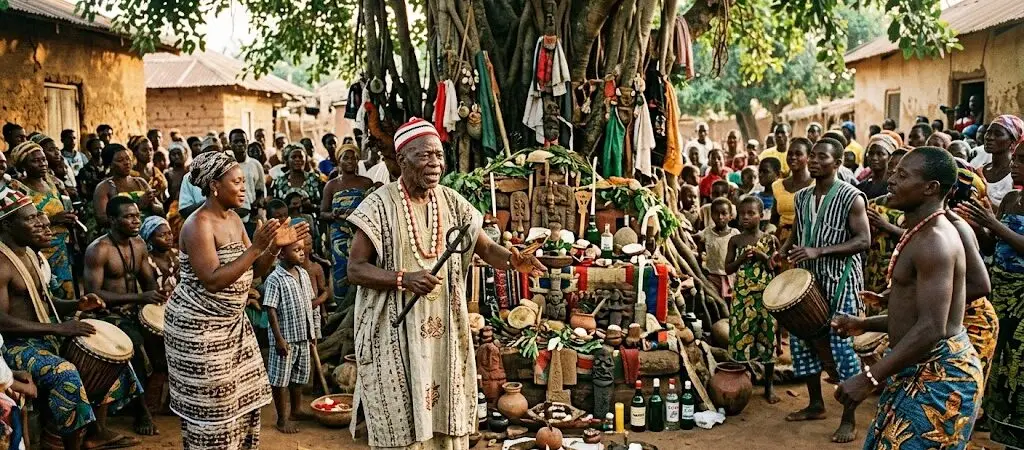
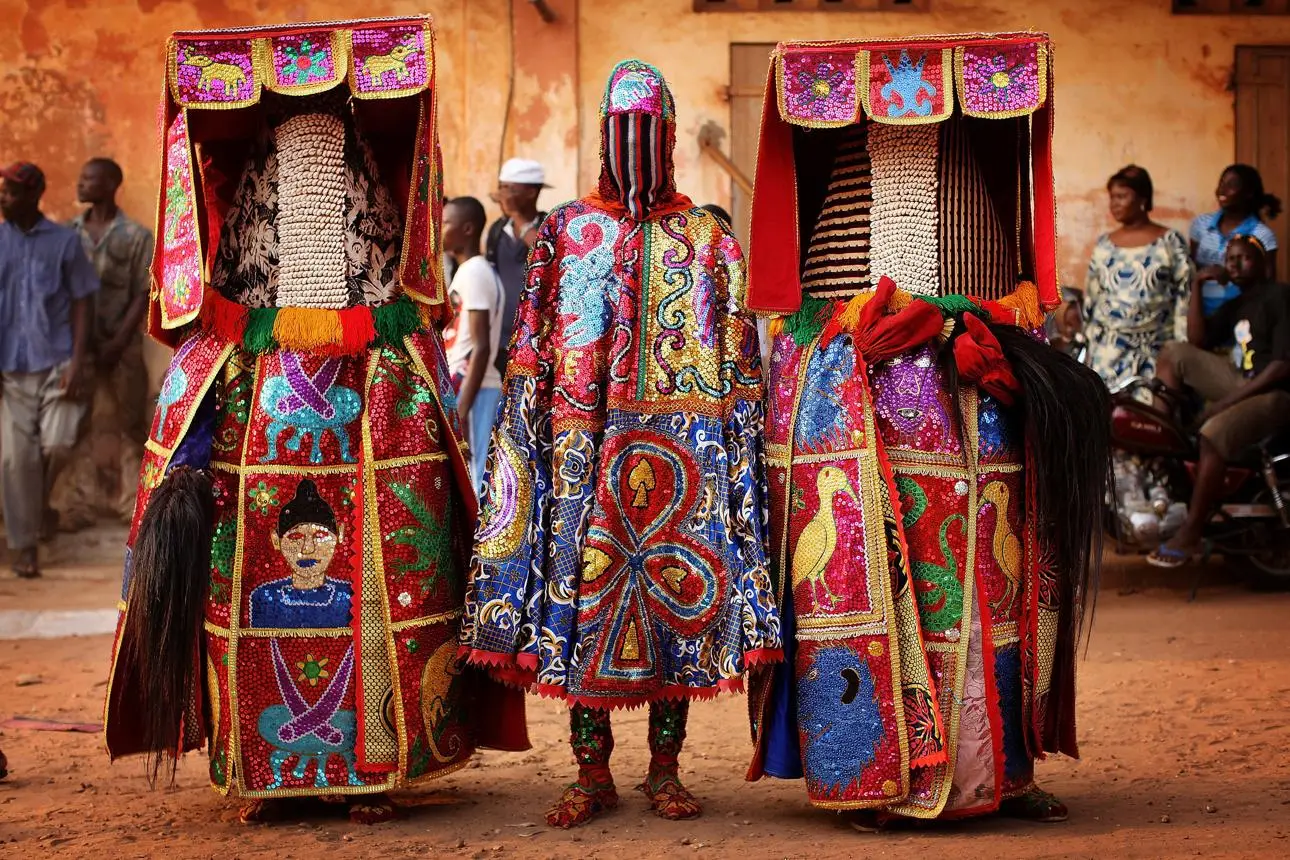
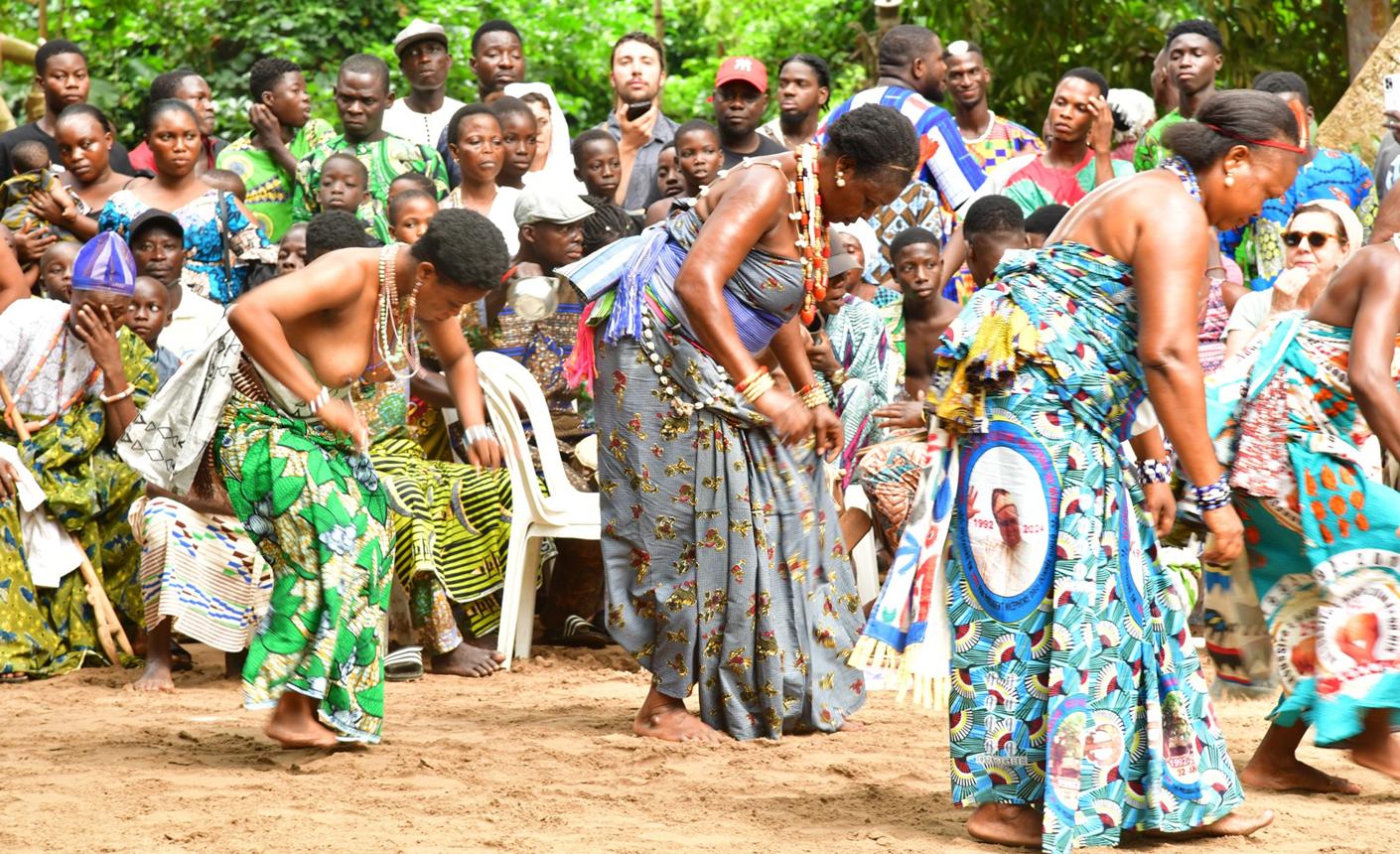
Festivals occupy a special place within African Vodun tradition, serving as annual celebrations that unite entire communities in honoring their cultural and spiritual heritage. These occasions bring together traditional leaders, families, musicians, artisans, dancers, and visitors who gather to celebrate the enduring legacy of African civilization. Far beyond entertainment, festivals provide opportunities to pass cultural knowledge from elders to younger generations while strengthening the bonds that hold communities together.During these celebrations, the sounds of traditional drums echo through villages and towns, accompanied by vibrant dances that have been preserved for generations. Participants wear beautifully crafted traditional attire that reflects the identity of their people, while storytellers recount the history of their ancestors and the origins of their customs. Visitors often witness processions, cultural performances, and ceremonies that celebrate gratitude, unity, and respect for spiritual traditions.Among the most well-known celebrations is the International Vodun Festival in Benin, which attracts visitors from around the world who seek to understand the authentic traditions of African Vodun. The festival demonstrates that African Voodoo is deeply rooted in community values, cultural identity, and spiritual heritage rather than the misconceptions often portrayed in popular media.Type your paragraph here
Initiations
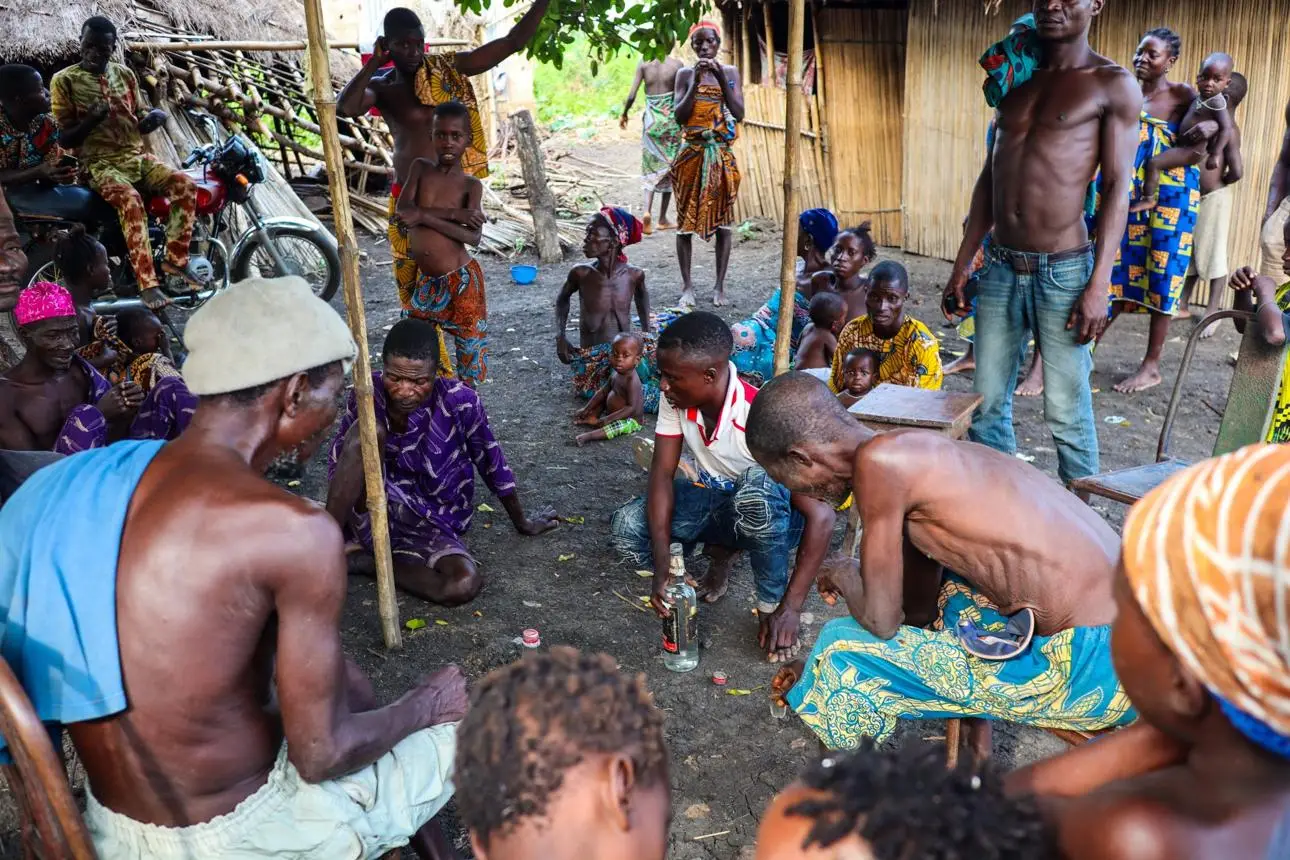
Initiation ceremonies represent one of the most respected traditions within African Vodun heritage. They mark important transitions in an individual’s life, signifying personal growth, maturity, and the acceptance of new responsibilities within the community. Guided by experienced elders and traditional custodians, these ceremonies emphasize education, discipline, cultural identity, and respect for ancestral wisdom.Rather than focusing solely on ritual practices, initiation is viewed as a lifelong journey of learning. Participants are introduced to the history of their people, moral principles, community responsibilities, and the significance of preserving cultural traditions. These teachings ensure that valuable knowledge is not lost but continues to be passed from one generation to another.The process of initiation also strengthens the relationship between the individual and the wider community. It reminds participants that every member has a role in protecting their heritage and contributing to the well-being of future generations. Through this process, African Vodun continues to preserve its identity despite the challenges of modernization and globalization.

Ancestor Reverence
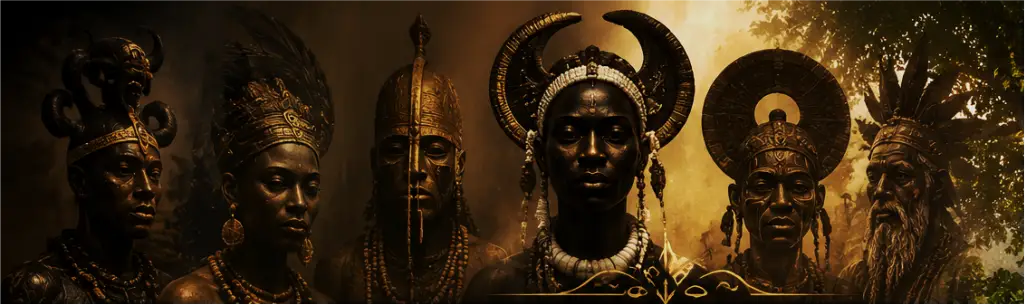
One of the defining features of African Vodun is the profound respect shown toward ancestors. Ancestors are regarded as honored members of the family whose wisdom, guidance, and legacy continue to influence the living. Remembering them is an act of gratitude and cultural continuity rather than simply reflecting on the past.Traditional ceremonies dedicated to ancestor reverence provide families with opportunities to gather, remember their lineage, and celebrate the values inherited from previous generations. Elders often share stories about family history, important events, and the achievements of those who came before them. These narratives help younger generations understand their identity and appreciate the sacrifices made by their ancestors.Ancestor reverence also reflects the African belief that preserving family history is essential to maintaining cultural strength. Through prayers, songs, symbolic acts, and moments of remembrance, communities reaffirm the enduring connection between the past, the present, and the future. This tradition has helped preserve African history for centuries through oral storytelling and communal memory.
Community Celebrations
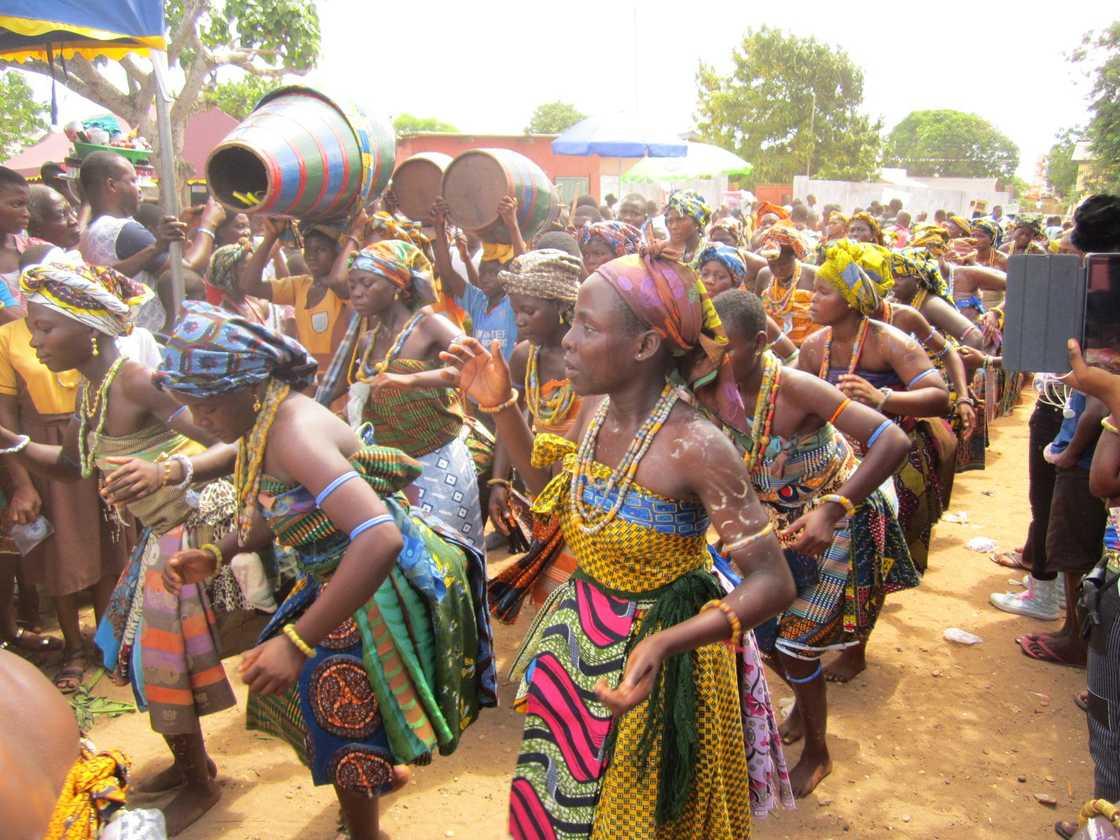
Community celebrations demonstrate the spirit of unity that lies at the heart of African Vodun tradition. These occasions are held to commemorate important milestones such as successful harvests, marriages, births, leadership installations, cultural anniversaries, and other events that bring people together. Every celebration reinforces the importance of cooperation, respect, hospitality, and shared responsibility.Music, dance, traditional cuisine, artistic performances, and cultural exhibitions create an atmosphere of joy while showcasing the richness of African heritage. Skilled artisans display handcrafted works, musicians perform rhythms that have echoed across generations, and dancers express stories through graceful movement. These celebrations allow communities to preserve their traditions while welcoming visitors who wish to learn more about African culture.Beyond their cultural significance, community celebrations contribute to local development by supporting artists, craftsmen, performers, and cultural institutions. They encourage tourism, promote intercultural understanding, and ensure that traditional knowledge continues to thrive in a rapidly changing world.