
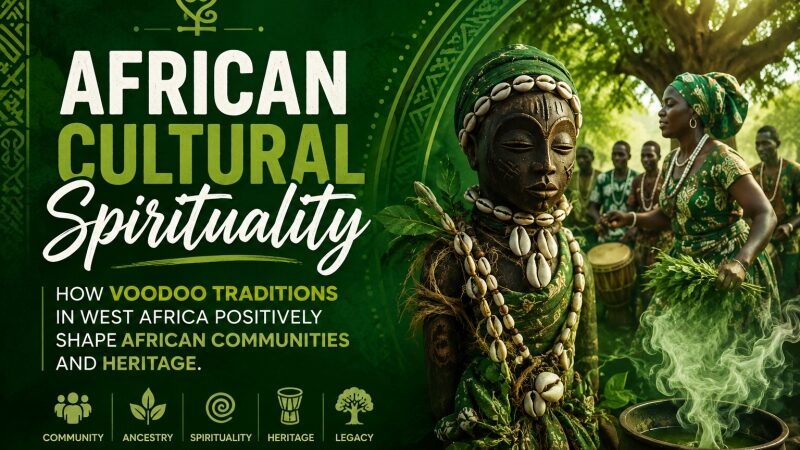
Understanding the Heart of African Cultural Spirituality
Africa is home to one of the world’s oldest and most enduring spiritual traditions. For thousands of years, communities across the continent have nurtured belief systems that connect people to their families, ancestors, nature, and the Supreme Creator. These traditions have influenced every aspect of life, from leadership and education to music, healing, agriculture, and community relationships. Together, they form what is known as African Cultural Spirituality.
Among the most respected expressions of this heritage is Vodun, an indigenous spiritual tradition that originated in present-day Benin and spread throughout parts of Togo, Ghana, and Nigeria. More than a system of beliefs, Vodun represents a living cultural heritage that preserves history, strengthens communities, and encourages respect for both humanity and the natural world.
Although popular media has often portrayed Vodun inaccurately, its authentic traditions are rooted in values such as responsibility, unity, moral character, ancestral remembrance, and cultural preservation. Exploring African Cultural Spirituality helps us understand the wisdom that has guided generations of African societies and continues to shape cultural identity today.
What Is African Cultural Spirituality?
African Cultural Spirituality refers to the traditional beliefs, customs, values, and practices that have been passed from one generation to another throughout Africa. Rather than existing only within ceremonies or sacred spaces, spirituality is woven into everyday life. It influences how families interact, how communities solve problems, how leaders govern, and how people care for the environment.
In many African societies, spirituality is expressed through respect for elders, remembrance of ancestors, hospitality, community cooperation, and gratitude for nature’s resources. These traditions create a balanced way of life in which cultural identity and moral values remain closely connected.
Because these customs have been preserved through oral tradition and lived experience, African Cultural Spirituality continues to inspire millions of people while maintaining a strong connection between the past and the present.
The Historical Roots of African Cultural Spirituality
The history of African Cultural Spirituality stretches back thousands of years. Long before written records became common, African communities developed systems of knowledge through careful observation of nature, practical experience, and the wisdom of previous generations.
This knowledge was preserved through storytelling, songs, proverbs, dance, ceremonies, and community gatherings. Elders became guardians of history, ensuring that younger generations understood the customs, values, and responsibilities that held their societies together.
These traditions allowed African civilizations to preserve their identity despite centuries of political, social, and cultural change. Today, many of these customs remain active, demonstrating the resilience of Africa’s spiritual heritage.
Vodun as a Living Cultural Heritage
One of the most important expressions of African Cultural Spirituality is Vodun. Originating primarily in Benin, Vodun reflects a worldview that recognizes the interconnectedness of humanity, the Supreme Creator, nature, ancestors, and the wider community.
Authentic Vodun traditions encourage people to live responsibly, preserve cultural knowledge, strengthen family relationships, and contribute positively to society. Through festivals, traditional ceremonies, music, dance, and storytelling, these customs continue to be passed from one generation to the next.
Far from the stereotypes often presented in films, Vodun represents a sophisticated cultural tradition that has helped preserve African identity for centuries.
The Importance of Ancestors in African Cultural Spirituality
Respect for ancestors is one of the defining characteristics of African Cultural Spirituality. Ancestors are remembered because they established families, protected communities, preserved traditions, and passed valuable knowledge to future generations.
Their lives serve as examples of perseverance, leadership, wisdom, and responsibility. By remembering their achievements and learning from their experiences, younger generations develop a deeper appreciation for their cultural heritage and understand the importance of preserving it for those who come after them.
This connection between generations strengthens both family bonds and community identity.
Community as the Heart of African Spiritual Life
Community has always occupied a central place within African Cultural Spirituality. Traditional teachings encourage cooperation, generosity, compassion, and mutual support because individual wellbeing is closely connected to the wellbeing of the wider community.
Festivals, family gatherings, traditional ceremonies, and cultural celebrations provide opportunities for people to strengthen relationships while preserving shared customs and values. During times of joy and hardship alike, communities come together to support one another, reinforcing the belief that unity creates resilience.
This spirit of togetherness continues to define many African societies today.
Living in Harmony with Nature
Nature plays an essential role within African Cultural Spirituality. Rivers, forests, mountains, wildlife, and fertile lands are respected not only because they provide resources but also because they sustain future generations.
Traditional teachings encourage responsible use of the environment while recognizing humanity’s responsibility to protect it. Sacred forests, protected rivers, and culturally significant landscapes found throughout West Africa demonstrate how indigenous traditions have contributed to environmental conservation for centuries.
These values remain highly relevant as the world seeks more sustainable ways of caring for the environment.
Traditional Healing and Indigenous Knowledge
Traditional healing has long been an important part of African Cultural Spirituality. Communities developed extensive knowledge of medicinal plants, natural remedies, and holistic approaches to wellbeing through centuries of careful observation and experience.
Traditional healers often serve as respected custodians of indigenous knowledge, passing their understanding to younger generations while supporting the wellbeing of their communities. Their work reflects a holistic approach that recognizes the connection between physical, emotional, social, and cultural wellbeing.
Many researchers today continue to study traditional African medicinal knowledge because of its cultural and historical significance.
Music, Dance, and Storytelling
Music, dance, and storytelling remain some of the most recognizable expressions of African Cultural Spirituality. Traditional drumming, singing, and dance performances bring communities together while preserving local languages, historical events, and cultural traditions.
Storytelling serves as one of Africa’s oldest educational systems. Through carefully crafted stories, elders teach lessons about courage, honesty, leadership, patience, and responsibility. These narratives help younger generations understand both their history and the values that continue to guide community life.
Together, music, dance, and storytelling ensure that African heritage remains vibrant and accessible.
Ethical Leadership and Shared Responsibility
Leadership within traditional African societies has long emphasized wisdom, service, fairness, and accountability. Leaders were expected to protect the wellbeing of their communities, consult respected elders, and make decisions that benefited future generations rather than personal interests.
These leadership values continue to inspire modern discussions about responsible governance and community development. They demonstrate that African Cultural Spirituality includes sophisticated principles of ethics, justice, and social responsibility.
Correcting Common Misconceptions
For many years, African Cultural Spirituality has been misunderstood because of fictional portrayals in films and popular culture. These depictions often focus on mystery while ignoring the rich cultural traditions that define authentic Vodun.
In reality, African Cultural Spirituality emphasizes family unity, respect for elders, cultural preservation, environmental stewardship, community cooperation, and moral responsibility. Learning from reliable historical and cultural sources helps replace misconceptions with informed understanding and appreciation.
Education remains one of the most effective ways to preserve and celebrate Africa’s authentic spiritual heritage.
Why African Cultural Spirituality Matters Today
As more people seek to reconnect with their heritage, African Cultural Spirituality continues to gain recognition throughout Africa and around the world. Museums, universities, cultural organizations, and traditional leaders are working together to preserve oral traditions, sacred sites, indigenous knowledge, and community festivals.
The values found within these traditions—respect, responsibility, unity, environmental care, and cultural identity—remain just as meaningful today as they were centuries ago. They provide practical guidance for building stronger families, healthier communities, and a deeper appreciation of Africa’s remarkable cultural legacy.
African Cultural Spirituality is one of Africa’s greatest cultural treasures. Through the authentic traditions of Vodun and other indigenous belief systems, generations have preserved wisdom that continues to strengthen families, inspire ethical leadership, protect the environment, and reinforce community identity.
Far beyond the misconceptions often associated with traditional African spirituality, these traditions represent a sophisticated and enduring system of cultural knowledge. Through storytelling, music, ceremonies, traditional healing, and ancestral remembrance, African Cultural Spirituality continues to shape the lives of millions while preserving one of the world’s richest cultural heritages.
As global interest in indigenous knowledge continues to grow, African Cultural Spirituality stands as a powerful reminder that Africa’s traditions remain a source of wisdom, resilience, and inspiration for generations to come.

Mystical Realm of Voodoo Love Spells: What African Voodoo Says About Love Spell Rituals and Finding a Soulmate
8 African Voodoo Practitioners Love Spells, Love Magic, and the Search…
Read More
The Role Of Godmothers And Godfathers In African Voodoo Understanding A Sacred Spiritual Tradition
Across many African spiritual traditions, the relationship between a spiritual…
Read More
The Power Of Offering Libation In Authentic African Voodoo Traditions Understanding A Sacred Spiritual Practice
Across Africa, one of the oldest and most respected spiritual…
Read More
Why Some Westerners Are Turning To Authentic African Voodoo Traditions For Love And Spiritual Guidance
Why Some Westerners Are Turning to Authentic African Voodoo Traditions…
Read More