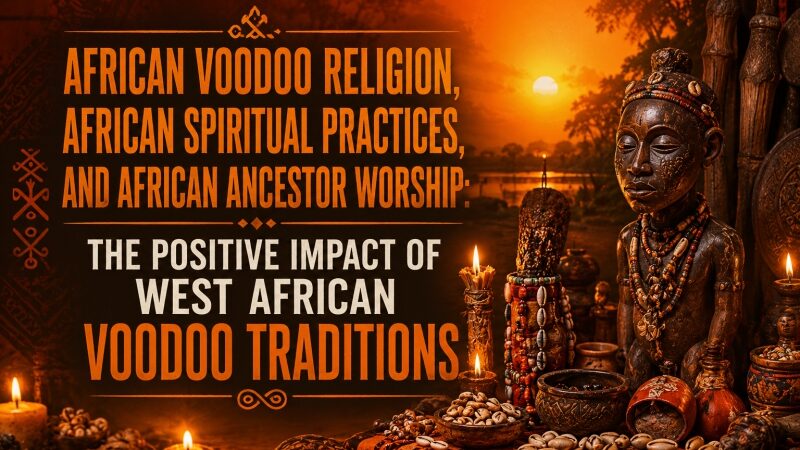
Discovering the True Meaning of African Voodoo Religion
When people hear the term African Voodoo Religion, many immediately think of myths and misconceptions created by movies and popular culture. However, the authentic spiritual traditions of West Africa tell a very different story. Rooted in centuries of wisdom, community values, and ancestral reverence, African Voodoo is one of the most important spiritual systems on the continent.
The African Voodoo Religion, often known as Voodoo or Vodou, is deeply connected to African Spiritual Practices and African Ancestor Worship. These traditions have helped preserve cultural identity, strengthen communities, promote moral values, and maintain a connection between the living, the natural world, and the ancestors.
Across West Africa, particularly in countries such as Benin, Togo, Ghana, and Nigeria, Vodun continues to play a vital role in society. Far from being a relic of the past, it remains a living tradition that positively influences millions of people today.
This article explores the origins, beliefs, rituals, and positive contributions of African Voodoo Religion while highlighting its significance in African spiritual culture.
What Is African Voodoo Religion?
African Voodoo Religion is an indigenous spiritual system that originated in West Africa thousands of years ago. The word “Vodun” means spirit, sacred force, or divine power.
Unlike many misconceptions, authentic African Voodoo is not centered on fear or superstition. Instead, it focuses on:
- Respect for the Supreme Creator
- Honoring ancestors
- Spiritual growth
- Community harmony
- Healing and wellness
- Protection of cultural traditions
- Connection with nature
The religion recognizes that the physical world and spiritual world are interconnected. Followers believe that spiritual forces influence everyday life and that maintaining harmony with these forces promotes balance and prosperity.
The Origins of African Voodoo in West Africa
The roots of African Voodoo Religion can be traced to ancient civilizations throughout West Africa.
For centuries, communities developed sophisticated spiritual systems that helped explain:
- Creation
- Human existence
- Natural phenomena
- Morality
- Social responsibility
Before colonial influence and the spread of global religions, these indigenous traditions served as the primary spiritual foundation for many African societies.
Today, Vodun remains an official religion in some regions and continues to be respected as a valuable cultural heritage.
Understanding African Spiritual Practices
What Are African Spiritual Practices?
African Spiritual Practices refer to the rituals, ceremonies, customs, and beliefs that help individuals connect with the divine, ancestors, and spiritual forces.
These practices vary across ethnic groups but share common themes.
Key African Spiritual Practices Include:
- Prayer and meditation
- Ancestor veneration
- Sacred ceremonies
- Divination
- Traditional healing
- Community festivals
- Spiritual cleansing rituals
- Offerings of gratitude
These practices serve both spiritual and social purposes, helping communities maintain unity and cultural continuity.
The Central Role of African Ancestor Worship
One of the most important aspects of African Voodoo Religion is African Ancestor Worship.
Who Are the Ancestors?
Ancestors are respected family members who have passed away but remain spiritually connected to their descendants.
In African spirituality, ancestors are viewed as:
- Guardians of family traditions
- Sources of wisdom
- Spiritual protectors
- Messengers between humanity and the divine
Ancestor worship does not mean treating ancestors as gods. Rather, it involves honoring and remembering them while seeking their guidance and blessings.
Why Ancestor Worship Matters
Ancestor worship serves several important functions:
Preserving Family History
Stories about ancestors help younger generations understand their roots and cultural heritage.
Strengthening Moral Values
Ancestors are often seen as role models whose lives provide lessons about:
- Integrity
- Responsibility
- Courage
- Leadership
Building Community Identity
Shared ancestral traditions strengthen social bonds and encourage collective responsibility.
Core Beliefs of African Voodoo Religion
Belief in a Supreme Creator
Most African Voodoo traditions recognize one Supreme Being responsible for creating the universe.
This Creator is considered:
- All-powerful
- All-knowing
- Source of life
- Beyond complete human understanding
The spiritual beings recognized within Vodun are viewed as intermediaries rather than replacements for the Supreme Creator.
Respect for Nature
Nature occupies a sacred place in African spirituality.
Many traditions teach that divine energy can be experienced through:
- Rivers
- Mountains
- Trees
- Forests
- Oceans
- Animals
This belief encourages environmental stewardship and sustainable living.
Spiritual Balance and Harmony
African Voodoo emphasizes balance between:
- Individuals and community
- Humanity and nature
- The living and ancestors
- Physical and spiritual worlds
Maintaining this balance is considered essential for well-being and prosperity.
African Spiritual Rituals and Their Cultural Importance
Community Ceremonies
Many spiritual rituals bring entire communities together.
Examples include:
- Harvest festivals
- Naming ceremonies
- Initiation rites
- Marriage blessings
- Funeral celebrations
These events strengthen community relationships and preserve cultural traditions.
Sacred Music and Dance
Music and dance are central elements of African Spiritual Practices.
Traditional ceremonies often feature:
- Drumming
- Singing
- Dancing
- Storytelling
These artistic expressions serve both spiritual and cultural purposes.
Benefits include:
- Community bonding
- Emotional healing
- Cultural preservation
- Intergenerational education
Traditional Healing Rituals
African spiritual traditions have long incorporated healing practices.
Traditional healers often combine:
- Herbal medicine
- Spiritual guidance
- Counseling
- Community support
These practices have preserved valuable indigenous knowledge for generations.
Positive Effects of African Voodoo Religion on African Society
1. Preserving African Cultural Heritage
One of the most significant benefits of African Voodoo Religion is cultural preservation.
Through rituals, ceremonies, and oral traditions, communities continue passing down:
- Languages
- Folklore
- Music
- Dance
- Historical knowledge
Without these traditions, much of Africa’s cultural heritage might have disappeared.
2. Strengthening Community Unity
African spirituality emphasizes collective well-being rather than individual success alone.
Community-based rituals encourage:
- Cooperation
- Mutual support
- Shared responsibility
- Conflict resolution
Strong communities often emerge from these deeply rooted cultural values.
3. Promoting Respect for Elders
African Ancestor Worship naturally fosters respect for elders.
Older community members are valued as:
- Knowledge keepers
- Cultural educators
- Mentors
- Advisors
This respect helps preserve wisdom and strengthen family structures.
4. Supporting Emotional and Mental Well-Being
Spiritual practices often provide comfort during difficult times.
Many people find strength through:
- Prayer
- Ritual participation
- Community gatherings
- Ancestral guidance
These traditions help individuals cope with life’s challenges while feeling connected to a supportive community.
5. Encouraging Environmental Protection
Many sacred sites within African Voodoo traditions include:
- Forests
- Rivers
- Wetlands
- Mountains
Communities often protect these areas because of their spiritual significance.
As a result, traditional beliefs have contributed to environmental conservation long before modern ecological movements emerged.
6. Preserving Indigenous Knowledge
African spiritual traditions contain valuable knowledge related to:
- Agriculture
- Herbal medicine
- Natural resource management
- Weather observation
- Community governance
Protecting these traditions helps preserve centuries of accumulated wisdom.
The Economic Benefits of Voodoo Traditions
Cultural Tourism
Interest in authentic African spirituality attracts visitors from around the world.
Countries such as Benin have become important destinations for cultural tourism related to Vodun traditions.
Tourism generates:
- Employment opportunities
- Income for local communities
- Cultural preservation funding
- International cultural exchange
Support for Local Arts and Crafts
Traditional spiritual ceremonies often involve:
- Handmade clothing
- Musical instruments
- Sacred art
- Traditional crafts
These industries provide livelihoods for many artisans and cultural practitioners.
African Voodoo Religion and Identity
For many Africans, Voodoo traditions represent more than religion.
They symbolize:
- Cultural pride
- Historical resilience
- Indigenous knowledge
- Spiritual independence
In a rapidly globalizing world, these traditions help communities maintain a strong sense of identity.
Common Misconceptions About African Voodoo
Myth: Voodoo Is Evil
Reality:
Authentic African Voodoo emphasizes harmony, healing, and community welfare.
Its core values promote positive relationships and moral responsibility.
Myth: Voodoo Is Only About Magic
Reality:
African Voodoo Religion is a complete spiritual and cultural system encompassing:
- Ethics
- Family values
- Community traditions
- Environmental stewardship
- Spiritual development
Myth: Ancestor Worship Means Worshiping the Dead
Reality:
Ancestor veneration focuses on respect, remembrance, and maintaining spiritual connections with family heritage.
It is fundamentally about honoring one’s roots.
African Voodoo Religion in the Modern Era
Today, African Spiritual Practices continue to evolve.
Many people successfully integrate traditional beliefs with modern lifestyles.
Increasingly, scholars, historians, and cultural organizations recognize the importance of preserving indigenous African religions as part of humanity’s shared heritage.
Young Africans are also showing renewed interest in learning about:
- Traditional spirituality
- Cultural identity
- Indigenous history
- Ancestral wisdom
This growing appreciation is helping ensure that these traditions remain vibrant for future generations.
Why African Spiritual Practices Continue to Thrive
Several factors contribute to the continued relevance of African spirituality:
Strong Community Values
People seek meaningful connections and support systems.
Cultural Preservation
Traditional beliefs help maintain cultural identity.
Holistic Approach to Life
African spirituality addresses physical, emotional, social, and spiritual well-being.
Respect for Heritage
Many individuals wish to reconnect with their ancestral roots.
Lessons the World Can Learn from African Voodoo Traditions
The principles found within African Voodoo Religion offer valuable insights for people everywhere.
These include:
- Respect for elders
- Environmental responsibility
- Community cooperation
- Cultural preservation
- Spiritual balance
- Gratitude toward ancestors
These timeless values contribute to healthier and more resilient societies.
Celebrating the Positive Legacy of African Voodoo Religion
The African Voodoo Religion, together with African Spiritual Practices and African Ancestor Worship, represents one of Africa’s most enduring cultural and spiritual legacies. Far from the myths often portrayed in popular media, authentic West African Vodun traditions promote community unity, moral responsibility, cultural preservation, environmental stewardship, and spiritual well-being.
Across West Africa and beyond, these traditions continue to inspire millions of people by strengthening cultural identity, preserving indigenous knowledge, and fostering respect for both ancestors and nature.
As interest in African heritage continues to grow worldwide, understanding the true nature of African Voodoo Religion helps reveal a rich and sophisticated spiritual system that has positively shaped African societies for centuries and remains an important source of wisdom, resilience, and cultural pride today.

Mystical Realm of Voodoo Love Spells: What African Voodoo Says About Love Spell Rituals and Finding a Soulmate
8 African Voodoo Practitioners Love Spells, Love Magic, and the Search…
Read More
The Role Of Godmothers And Godfathers In African Voodoo Understanding A Sacred Spiritual Tradition
Across many African spiritual traditions, the relationship between a spiritual…
Read More
The Power Of Offering Libation In Authentic African Voodoo Traditions Understanding A Sacred Spiritual Practice
Across Africa, one of the oldest and most respected spiritual…
Read More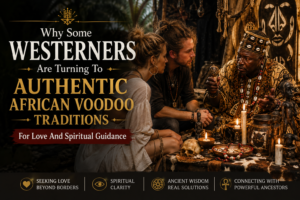
Why Some Westerners Are Turning To Authentic African Voodoo Traditions For Love And Spiritual Guidance
Why Some Westerners Are Turning to Authentic African Voodoo Traditions…
Read More