Africa is home to some of the world’s oldest and most profound spiritual systems. Among these traditions, African Mysticism and African Rituals stand as powerful expressions of cultural identity, ancestral wisdom, and spiritual connection. For centuries, communities across West Africa have practiced sacred rituals that honor ancestors, celebrate life, promote healing, and strengthen social harmony.
One of the most recognized aspects of African spirituality is Voodoo, often referred to as Vodun or Vodoun. Contrary to many misconceptions portrayed in movies and popular media, authentic West African Voodoo is a respected spiritual tradition deeply rooted in community values, ancestral reverence, moral teachings, and cultural preservation.
Today, people around the world are becoming increasingly interested in learning about African Mysticism and African Rituals, not only for their spiritual significance but also for their positive contributions to African societies. These traditions continue to influence art, music, healing practices, community development, and cultural identity throughout the continent.
What Is African Mysticism?
African Mysticism refers to the spiritual beliefs, sacred knowledge, and metaphysical practices developed by African civilizations over thousands of years. It is based on the understanding that the physical and spiritual worlds are interconnected.
African mysticism teaches that:
- Ancestors remain spiritually present after death.
- Nature contains sacred energies.
- Human beings are connected to spiritual forces.
- Rituals help maintain balance between the visible and invisible worlds.
- Spiritual wisdom can guide individuals and communities.
Unlike many modern religious systems that focus solely on written scriptures, African mystical traditions often rely on oral teachings passed down through generations. Elders, priests, priestesses, healers, and spiritual guides play important roles in preserving this knowledge.
Understanding African Rituals
African Rituals are ceremonial practices designed to connect people with spiritual forces, ancestors, and community values. These rituals vary across ethnic groups and regions but often share common themes.
Some common African rituals include:
Ancestral Veneration
Families honor deceased relatives through prayers, offerings, and ceremonies that recognize their continuing spiritual presence.
Blessing Ceremonies
Communities perform rituals to seek protection, prosperity, health, and guidance.
Healing Rituals
Traditional healers use sacred herbs, prayers, chants, and spiritual practices to support physical and emotional well-being.
Initiation Rituals
Young people undergo ceremonies marking important transitions into adulthood and community responsibility.
Harvest Celebrations
Communities express gratitude for agricultural abundance and seek blessings for future harvests.
These rituals serve as important cultural institutions that strengthen social bonds and preserve traditional values.
The Origins of West African Voodoo Traditions
West African Voodoo, known as Vodun, originated primarily in regions now known as:
- Benin
- Togo
- Ghana
- Nigeria
The word “Vodun” generally means spirit, deity, or sacred force. Practitioners believe in a supreme creator while also recognizing spiritual intermediaries that help maintain harmony between humans and the divine.
The tradition dates back centuries and remains an integral part of life for millions of people throughout West Africa and the African diaspora.
The Connection Between African Mysticism and Voodoo
Voodoo traditions represent one of the most visible expressions of African Mysticism and African Rituals. The spiritual system incorporates:
Ancestral Communication
Ancestors are respected as guides who offer wisdom, protection, and support to the living.
Sacred Symbols
Symbols and ritual objects are used to communicate spiritual teachings and preserve cultural knowledge.
Spiritual Healing
Traditional healing methods combine herbal medicine, prayer, and ritual practices.
Community Worship
Ceremonies bring people together to celebrate cultural identity and spiritual unity.
These practices reflect the broader principles of African mysticism by emphasizing balance, respect, and interconnectedness.
Positive Effects of African Mysticism and African Rituals in Africa
1. Preserving African Cultural Heritage
One of the greatest contributions of African mystical traditions is cultural preservation.
For centuries, oral traditions, songs, dances, myths, and rituals have transmitted valuable knowledge from one generation to the next. Through these practices, communities maintain a strong connection to their roots.
Many cultural festivals across West Africa continue to showcase traditional spiritual customs that might otherwise disappear in a rapidly modernizing world.
Benefits
- Protects indigenous knowledge.
- Preserves African languages.
- Strengthens cultural pride.
- Promotes historical awareness.
2. Strengthening Community Unity
African rituals are often community-centered rather than individual-focused.
During ceremonies, families and neighbors gather to:
- Celebrate milestones.
- Resolve conflicts.
- Support one another.
- Reinforce social responsibilities.
This collective participation creates a strong sense of belonging and mutual support.
In many rural communities, traditional ceremonies continue to serve as important platforms for social cohesion and cooperation.
3. Promoting Traditional Healing Knowledge
African traditional healing systems have existed for thousands of years.
Many herbal remedies used in traditional African medicine have attracted scientific interest due to their medicinal properties. Traditional healers often possess extensive knowledge of local plants and natural treatments.
While traditional healing should complement rather than replace professional medical care, it remains an important part of healthcare access in many communities.
Benefits include:
- Preservation of medicinal plant knowledge.
- Increased access to local healthcare resources.
- Holistic approaches to wellness.
- Community-based support systems.
4. Encouraging Respect for Nature
African Mysticism teaches that nature is sacred and interconnected with human life.
Many rituals emphasize:
- Environmental stewardship.
- Protection of sacred forests.
- Conservation of water sources.
- Respect for wildlife.
This spiritual relationship with nature promotes sustainable practices that benefit both communities and ecosystems.
5. Supporting Mental and Emotional Well-Being
Rituals often provide emotional comfort during difficult times.
People facing challenges may find strength through:
- Community support.
- Spiritual guidance.
- Ceremonial gatherings.
- Ancestral traditions.
These practices help individuals feel connected to something greater than themselves, fostering resilience and emotional stability.
6. Preserving African Identity in a Globalized World
Globalization has transformed many aspects of African life. However, traditional spiritual systems continue to provide a sense of identity and continuity.
African Mysticism and African Rituals remind communities of:
- Their ancestral heritage.
- Traditional values.
- Historical achievements.
- Cultural uniqueness.
This cultural confidence contributes positively to national and regional identity.
The Role of Ancestors in African Mysticism
Ancestors occupy a central place in many African spiritual traditions.
Rather than being viewed as distant figures from the past, ancestors are considered active members of the community who continue to influence the lives of their descendants.
Ancestral traditions encourage:
- Respect for elders.
- Family responsibility.
- Ethical behavior.
- Cultural continuity.
The belief that one’s actions reflect upon both ancestors and future generations promotes accountability and social responsibility.
African Rituals and Traditional Festivals
Throughout West Africa, numerous festivals celebrate spiritual heritage and cultural identity.
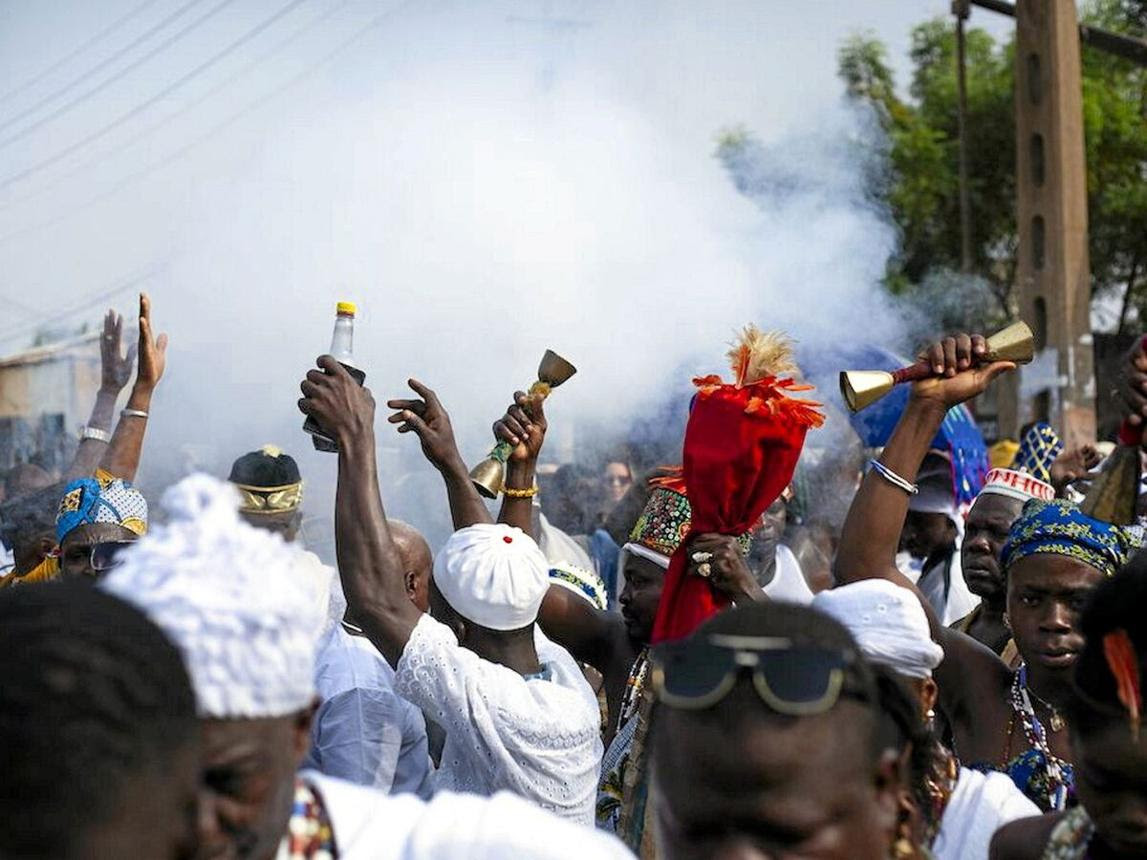
These festivals often feature:
- Traditional music.
- Sacred drumming.
- Dance performances.
- Community feasts.
- Cultural education.
- Spiritual ceremonies.
Such events attract visitors from around the world and contribute to cultural tourism and economic development.
Common Misconceptions About Voodoo
Unfortunately, many myths have distorted public understanding of Voodoo traditions.
Myth: Voodoo Is Only About Magic
Reality: Authentic Vodun encompasses spirituality, ethics, community service, healing, and cultural preservation.
Myth: Voodoo Is Negative
Reality: Traditional Vodun emphasizes harmony, balance, respect, and community well-being.
Myth: Voodoo Is Primitive
Reality: Vodun represents a sophisticated spiritual system developed over centuries and continues to play an important role in modern African societies.
Understanding these facts helps promote cultural respect and appreciation.
Why Global Interest in African Mysticism Is Growing
Interest in African spirituality is increasing worldwide because people are seeking:
- Cultural authenticity.
- Ancestral connections.
- Traditional wisdom.
- Holistic wellness approaches.
- Indigenous knowledge systems.
Researchers, historians, cultural enthusiasts, and spiritual seekers are exploring African traditions to gain deeper insight into humanity’s diverse spiritual heritage.
The Future of African Mysticism and African Rituals
As younger generations embrace digital technology and global connectivity, many communities are finding innovative ways to preserve their spiritual traditions.
Modern efforts include:
- Digital archives.
- Cultural education programs.
- Academic research.
- Heritage tourism.
- Community documentation projects.
These initiatives ensure that African mystical knowledge remains accessible for future generations while respecting traditional custodians of cultural wisdom.
African Mysticism and African Rituals remain vital pillars of Africa’s cultural and spiritual landscape. Through authentic West African Voodoo traditions, millions of people continue to celebrate ancestral wisdom, preserve cultural heritage, strengthen community bonds, and maintain meaningful connections with the spiritual world.
Far from the stereotypes often portrayed in popular media, African spiritual traditions offer valuable lessons about unity, respect, healing, environmental stewardship, and cultural identity. Their positive influence can be seen in the preservation of indigenous knowledge, the promotion of social cohesion, and the celebration of Africa’s rich and diverse heritage.
As global interest in African spirituality continues to grow, understanding the true meaning of African Mysticism and African Rituals helps foster greater appreciation for one of humanity’s oldest and most enduring cultural treasures.

Mystical Realm of Voodoo Love Spells: What African Voodoo Says About Love Spell Rituals and Finding a Soulmate
8 African Voodoo Practitioners Love Spells, Love Magic, and the Search…
Read More
The Role Of Godmothers And Godfathers In African Voodoo Understanding A Sacred Spiritual Tradition
Across many African spiritual traditions, the relationship between a spiritual…
Read More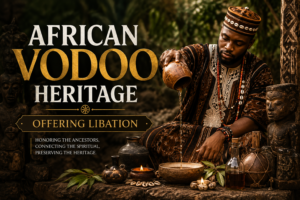
The Power Of Offering Libation In Authentic African Voodoo Traditions Understanding A Sacred Spiritual Practice
Across Africa, one of the oldest and most respected spiritual…
Read More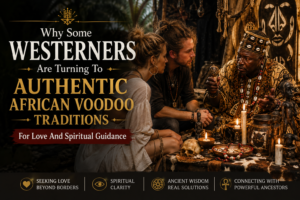
Why Some Westerners Are Turning To Authentic African Voodoo Traditions For Love And Spiritual Guidance
Why Some Westerners Are Turning to Authentic African Voodoo Traditions…
Read More