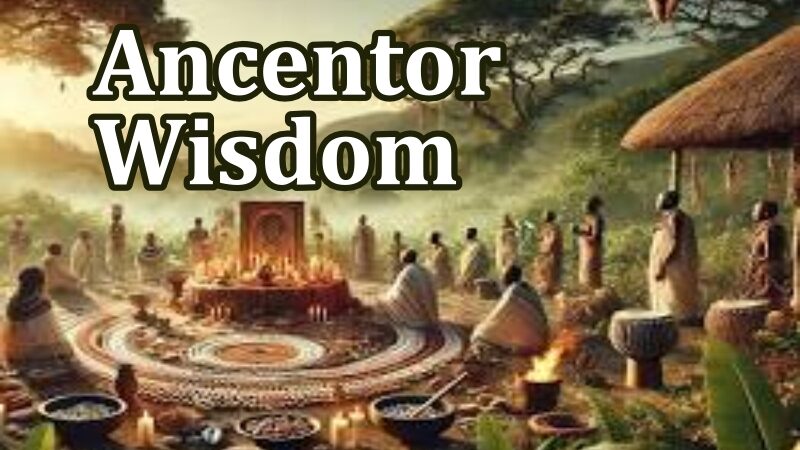
Explore the meaning of African Ancestor Wisdom and discover how the authentic Vodun traditions of West Africa preserve cultural heritage, strengthen families, and pass valuable knowledge from one generation to the next.
Throughout Africa’s long and remarkable history, wisdom has always been considered one of society’s greatest treasures. For generations, communities have relied on the experiences of their elders to guide family life, leadership, agriculture, healing, conflict resolution, and community development. These teachings, carefully preserved through storytelling and cultural traditions, form what is known today as African Ancestor Wisdom.
Within the traditions of Vodun, which originated in present-day Benin and spread throughout parts of West Africa, ancestors are remembered with great respect. They are honored not because they are simply part of history, but because their knowledge, values, and examples continue to inspire future generations. Through ceremonies, oral traditions, music, and family customs, their legacy remains alive in everyday life.
Although African ancestor traditions are sometimes misunderstood, they are fundamentally about preserving culture, strengthening communities, encouraging moral responsibility, and maintaining a meaningful connection with one’s heritage. Understanding African Ancestor Wisdom offers a deeper appreciation of the values that have shaped African societies for centuries.
What Is African Ancestor Wisdom?
African Ancestor Wisdom refers to the knowledge, values, experiences, and cultural teachings passed down from previous generations. These teachings are preserved through family traditions, oral history, proverbs, storytelling, ceremonies, and the guidance of elders.
In many African societies, ancestors are remembered as respected members of the family whose lives continue to serve as examples of responsibility, resilience, leadership, and wisdom. Their influence is reflected in the customs people practice, the values they uphold, and the lessons they share with younger generations.
Rather than existing only in the past, African Ancestor Wisdom continues to shape everyday life by encouraging people to learn from history while preparing responsibly for the future.
The Place of Ancestors in Vodun Traditions
One of the defining features of Vodun is the respect shown toward ancestors. Originating primarily in Benin, Vodun recognizes the important connection between humanity, the Supreme Creator, nature, community, and those who came before us.
Ancestors are remembered because they established families, built communities, protected traditions, and passed valuable knowledge from one generation to another. Their memory is preserved through storytelling, family gatherings, traditional ceremonies, and cultural celebrations that reinforce shared identity and continuity.
These practices strengthen family relationships while ensuring that important lessons are never forgotten.
Preserving Cultural Heritage Through Ancestral Wisdom
One of the greatest contributions of African Ancestor Wisdom is the preservation of cultural heritage. Before written records became common, African societies relied on oral traditions to safeguard their history, customs, languages, and moral teachings.
Stories, songs, proverbs, and ceremonies allowed communities to remember important events and pass practical knowledge to younger generations. Through this continuous sharing of wisdom, families preserved not only their traditions but also their sense of identity.
Today, these customs remain an important source of cultural pride, helping communities maintain a strong connection to their heritage in an increasingly globalized world.
Strengthening Families Across Generations
Family has always been at the heart of African society, and African Ancestor Wisdom plays an important role in strengthening those relationships. Traditional teachings encourage respect for parents, care for elders, responsibility toward children, and cooperation among relatives.
Family ceremonies and community gatherings create opportunities for different generations to come together, exchange experiences, and preserve shared traditions. These moments reinforce the importance of unity while ensuring that cultural knowledge continues to be passed on.
Strong family relationships have long been recognized as one of the foundations of healthy and resilient communities.
Community Before Individual Success
African Ancestor Wisdom teaches that personal success should benefit the wider community. Rather than focusing only on individual achievement, traditional values encourage cooperation, generosity, compassion, and mutual support.
When people contribute to the wellbeing of their communities, everyone benefits. This spirit of collective responsibility has helped African societies build strong social networks where neighbors support one another during celebrations, challenges, and important community events.
These values continue to inspire community life throughout many parts of Africa today.
Moral Lessons Passed Through Generations
Many of the moral values that guide African societies have been preserved through ancestral teachings. Stories, proverbs, and the experiences of respected elders encourage honesty, integrity, humility, patience, hard work, and accountability.
These lessons are often shared in ways that are practical and memorable, allowing younger generations to apply them in everyday life. Rather than relying solely on formal education, African Ancestor Wisdom demonstrates how values can be learned through experience, observation, and storytelling.
This tradition has helped maintain strong ethical foundations within many communities.
Traditional Healing and Indigenous Knowledge
Traditional healing is another important part of African Ancestor Wisdom. For generations, communities have carefully observed the natural environment, learning about medicinal plants and methods of promoting wellbeing.
Traditional healers often inherit their knowledge from previous generations, preserving valuable information about herbal medicine, nutrition, and holistic approaches to health. Their work reflects centuries of practical experience and a deep understanding of local environments.
Today, researchers continue to study indigenous African knowledge because of its cultural, historical, and scientific significance.
Storytelling as a Living Classroom
Storytelling has always been one of Africa’s most powerful educational traditions. Long before schools became widespread, elders used stories to teach children about courage, respect, leadership, kindness, and responsibility.
Many traditional stories feature wise elders, symbolic animals, or historical figures whose experiences provide valuable life lessons. These stories entertain while preserving cultural knowledge, making them an essential part of African Ancestor Wisdom.
Even today, storytelling remains an effective way of strengthening cultural identity and preserving history.
Respect for Nature and the Environment
African Ancestor Wisdom also teaches respect for the natural world. Forests, rivers, wildlife, and fertile lands are viewed as valuable resources that should be protected for future generations.
Traditional teachings encourage people to use natural resources responsibly while recognizing humanity’s responsibility to care for the environment. Sacred forests and protected natural areas found throughout West Africa reflect these long-standing conservation practices.
Long before environmental protection became a global concern, African communities had already developed traditions that promoted sustainable living.
Leadership Guided by Wisdom
Leadership within traditional African societies has long emphasized service, fairness, accountability, and consultation. Leaders were expected to make decisions that benefited their communities while seeking advice from respected elders whose experience could guide important choices.
This approach encouraged cooperation rather than personal ambition and promoted governance based on responsibility and justice. Many of these leadership principles continue to inspire communities and institutions throughout Africa today.
Correcting Common Misconceptions
African Ancestor Wisdom is sometimes misunderstood as being relevant only to the past. In reality, many of its teachings continue to offer valuable guidance for modern life. Respect for family, ethical leadership, environmental responsibility, community cooperation, and cultural preservation remain important values in today’s society.
Another common misconception is that ancestral traditions are purely religious. While spirituality plays an important role, African Ancestor Wisdom also includes practical knowledge about agriculture, education, leadership, healthcare, and community development that has benefited African societies for generations.
Learning about these traditions through reliable cultural and historical sources helps replace misconceptions with a deeper understanding of Africa’s rich heritage.
Why African Ancestor Wisdom Matters Today
Across Africa and within the African diaspora, many people are reconnecting with their ancestral heritage. Museums, universities, cultural organizations, and traditional leaders are working together to preserve oral history, indigenous knowledge, sacred sites, and cultural festivals.
This renewed interest reflects a growing appreciation for the timeless values found within African Ancestor Wisdom. Respect, unity, responsibility, cultural pride, and community cooperation remain just as meaningful today as they were centuries ago.
By preserving these traditions, communities ensure that future generations inherit not only historical knowledge but also the wisdom needed to build stronger families and societies.
African Ancestor Wisdom represents one of Africa’s most enduring cultural treasures. Through the authentic traditions of Vodun and other indigenous spiritual systems, generations have preserved knowledge that continues to strengthen families, inspire ethical leadership, promote respect for nature, and reinforce community identity.
Far beyond the misconceptions often associated with traditional African spirituality, these teachings reflect a sophisticated system of cultural knowledge developed over thousands of years. Through storytelling, ceremonies, family traditions, and ancestral remembrance, African Ancestor Wisdom continues to shape the lives of millions while preserving one of the world’s richest cultural heritages.
As global interest in African history and indigenous knowledge continues to grow, African Ancestor Wisdom stands as a lasting reminder that the lessons of previous generations remain a valuable source of guidance, resilience, and inspiration for the future.

Mystical Realm of Voodoo Love Spells: What African
8 African Voodoo Practitioners Love Spells, Love Magic, and the Search…
Read More
The Role Of Godmothers And Godfathers In African
Across many African spiritual traditions, the relationship between a spiritual…
Read More
The Power Of Offering Libation In Authentic African
Across Africa, one of the oldest and most respected spiritual…
Read More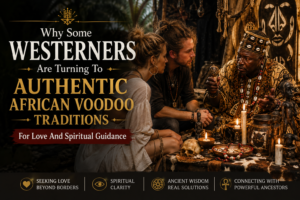
Why Some Westerners Are Turning To Authentic African
Why Some Westerners Are Turning to Authentic African Voodoo Traditions…
Read More