Explore African spiritual culture and discover how Vodun traditions in West Africa continue to preserve cultural heritage, strengthen communities, promote respect for nature, and shape modern African society.
African Spiritual Culture: Understanding the Heart of West African Vodun Traditions
African spiritual culture is among the oldest living cultural traditions in the world. Long before written history documented the civilizations of West Africa, communities had already developed rich spiritual systems that guided their relationship with nature, family, ancestors, and society. These traditions became the foundation of daily life, influencing leadership, agriculture, medicine, festivals, storytelling, and community values.
One of the most well-known expressions of African spiritual culture is Vodun, a traditional spiritual heritage that originated in present-day Benin and spread throughout parts of Togo, Ghana, and Nigeria. Although popular culture has often portrayed Vodun inaccurately, its authentic traditions emphasize harmony, respect, responsibility, and the interconnectedness of all life.
Understanding African spiritual culture allows us to appreciate the wisdom that has shaped African societies for centuries while correcting many of the misconceptions that continue to surround traditional African spirituality.
What Is African Spiritual Culture?
African spiritual culture refers to the traditional beliefs, customs, values, and practices that have been passed from one generation to another across the African continent. Rather than separating spirituality from everyday life, these traditions weave spiritual values into family life, leadership, farming, healthcare, celebrations, and community relationships.
For many African communities, spirituality is not confined to a place of worship or specific ceremonies. It is reflected in the way people relate to one another, respect their elders, care for nature, celebrate important milestones, and preserve the wisdom of previous generations.
This holistic approach continues to influence many communities today, demonstrating that African spiritual traditions remain an important part of cultural identity.
The Origins of Vodun in West Africa
Vodun traces its origins to West Africa, particularly the regions that now form Benin, Togo, Ghana, and parts of Nigeria. The word “Vodun” generally refers to “spirit” or “deity” in several local languages and reflects a spiritual worldview centered on the relationship between humanity, nature, ancestors, and the Supreme Creator.
For centuries, Vodun has provided communities with a framework for understanding life, maintaining social harmony, and preserving cultural traditions. Despite periods of colonial rule and cultural suppression, the tradition survived because it remained deeply connected to the identity and daily lives of the people.
Today, Benin proudly recognizes Vodun as an important part of its national heritage, celebrating it annually during National Vodun Day on January 10.
Respect for Ancestors and Family Heritage
One of the defining features of African spiritual culture is the respect shown to ancestors. Ancestors are remembered as those who contributed to the wellbeing of their families and communities, leaving behind values, traditions, and knowledge that continue to guide future generations.
Remembering ancestors encourages people to preserve family history, honor their elders, and maintain strong community relationships. It also reinforces the understanding that every generation has a responsibility to pass cultural knowledge forward rather than allowing it to disappear.
This emphasis on continuity strengthens family bonds while helping communities preserve their identity in a rapidly changing world.
Community Before the Individual
African spiritual culture places great importance on the wellbeing of the community. Traditional ceremonies, festivals, music, storytelling, and communal celebrations bring people together, creating opportunities to strengthen relationships and reinforce shared values.
These gatherings encourage cooperation, mutual support, and collective responsibility. During times of celebration or difficulty, communities often come together to assist one another, demonstrating that personal success is closely connected to the wellbeing of society as a whole.
This sense of unity remains one of the greatest strengths of African traditional culture.
Living in Harmony with Nature
Nature occupies a central place within African spiritual culture. Rivers, forests, mountains, trees, and wildlife are respected because they provide life and sustain communities. Rather than viewing nature simply as a resource to be exploited, traditional teachings encourage people to act as responsible caretakers of the environment.
This respect has contributed to the preservation of sacred forests, protected landscapes, and valuable ecological knowledge that continues to support biodiversity today. Long before environmental conservation became a global movement, African communities were already practicing sustainable relationships with the natural world.
These teachings remain increasingly relevant as modern societies seek solutions to environmental challenges.
Traditional Healing and Indigenous Knowledge
Traditional healing represents another important aspect of African spiritual culture. Across generations, communities have developed extensive knowledge of medicinal plants, natural remedies, and holistic approaches to wellbeing.
Traditional healers often serve not only as health practitioners but also as counselors, mediators, and keepers of indigenous knowledge. Their understanding of local plants and community wellbeing has contributed significantly to the preservation of African medical traditions.
Many modern scientific studies continue to explore medicinal plants that have long been used within traditional African communities, highlighting the lasting value of indigenous knowledge.

Music, Dance, and Cultural Expression
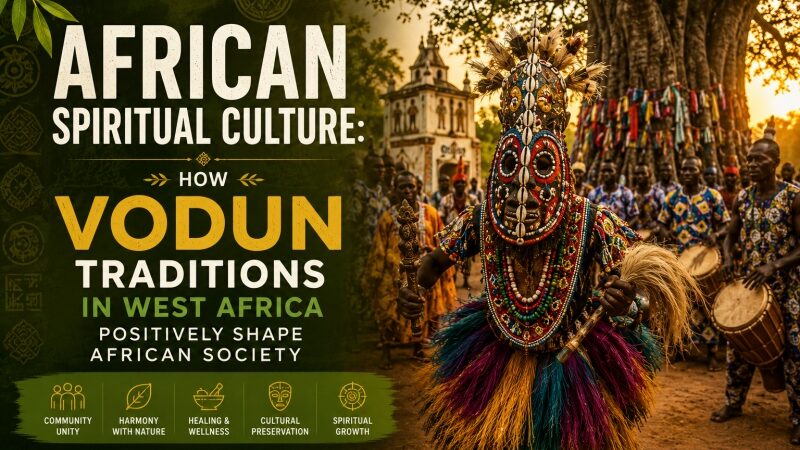
Music and dance are essential elements of Vodun culture. During festivals and ceremonies, rhythmic drumming, singing, and traditional dances express joy, gratitude, history, and cultural identity.
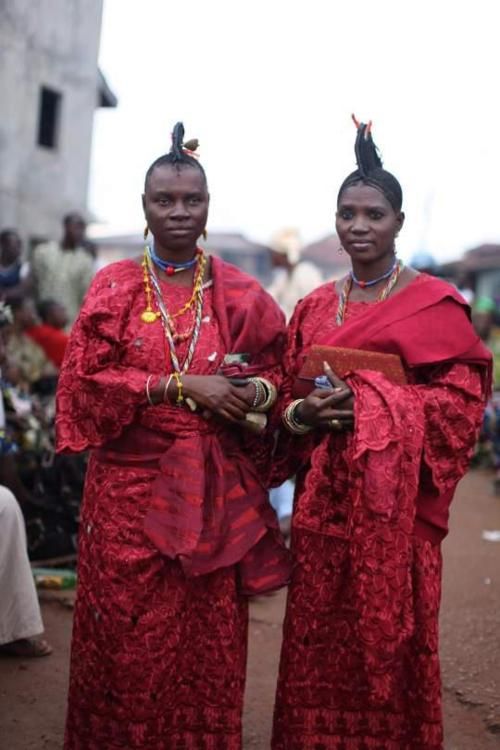
These performances preserve indigenous languages, strengthen community pride, and pass important traditions from elders to younger generations. Visitors attending Vodun festivals often discover that every rhythm, costume, and dance movement reflects centuries of cultural history.
Far from being simple entertainment, music and dance remain living expressions of African heritage.
African Spiritual Culture and Cultural Tourism
Benin has become an important destination for travelers interested in learning about African history and traditional spirituality. Visitors come from around the world to attend Vodun festivals, explore historical landmarks, visit sacred forests, and experience authentic cultural traditions.
This growing interest in cultural tourism supports local artisans, musicians, guides, and small businesses while encouraging the preservation of historical sites and traditional customs. Responsible tourism also creates opportunities for greater international understanding of Africa’s rich cultural diversity.
Correcting Common Misconceptions
For many years, films and popular media have portrayed Vodun through fictional stories focused on fear and mystery. These portrayals often overlook the authentic values that define African spiritual culture.
In reality, Vodun emphasizes community, respect, cultural preservation, harmony with nature, and moral responsibility. Learning from reliable historical and cultural sources allows people to appreciate the true richness of this ancient tradition rather than relying on myths.
Education remains one of the most effective ways to replace misunderstanding with respect.
Why African Spiritual Culture Still Matters Today
Although society continues to evolve, many of the principles found within African spiritual culture remain highly relevant. Respect for elders, environmental responsibility, strong family relationships, community cooperation, and cultural preservation continue to strengthen societies across Africa.
As younger generations seek to reconnect with their heritage, universities, museums, researchers, and cultural organizations are documenting traditional knowledge to ensure it remains available for the future. These efforts recognize that Africa’s spiritual traditions form an essential part of the continent’s historical and cultural legacy.
African spiritual culture represents a remarkable expression of Africa’s history, wisdom, and identity. Rooted in the traditions of Vodun and other indigenous belief systems, it continues to preserve cultural heritage, strengthen communities, encourage respect for nature, and promote social harmony.
Far from the stereotypes often portrayed in popular media, authentic Vodun traditions reflect a sophisticated worldview built on responsibility, balance, and cooperation. Through music, storytelling, festivals, traditional healing, and community life, these traditions continue to shape millions of lives across West Africa.
As interest in African heritage continues to grow, understanding African spiritual culture offers an opportunity to appreciate one of the world’s oldest living traditions while recognizing the enduring values that continue to inspire communities today.

Mystical Realm of Voodoo Love Spells: What African Voodoo Says About Love Spell Rituals and Finding a Soulmate