
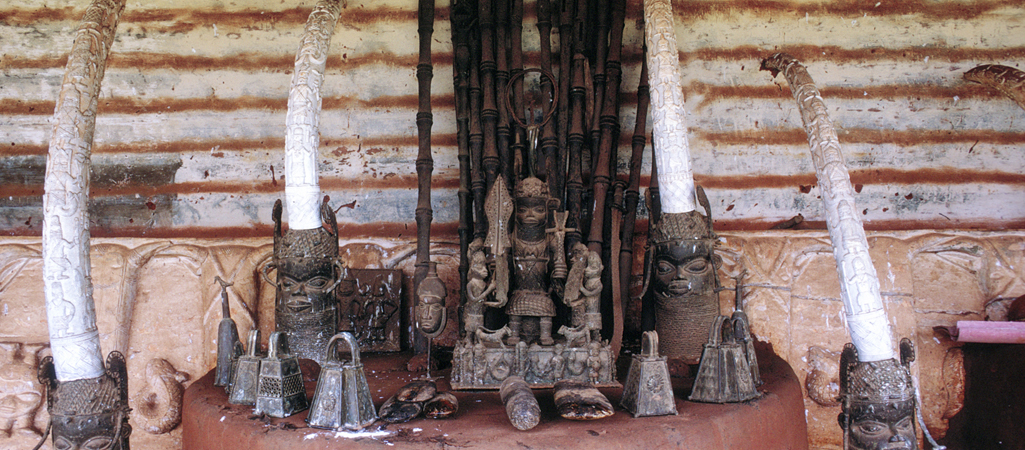
African spiritual traditions represent one of the world’s oldest and most diverse religious and cultural heritages. Practiced across the African continent for thousands of years, these traditions continue to shape the identities, values, and daily lives of millions of people. Rooted in respect for ancestors, community, nature, and the interconnectedness of life, African spiritual traditions encompass a wide variety of beliefs and practices that differ among ethnic groups, regions, and historical periods.
Although there is no single belief system that defines all African spiritual traditions, many share common themes such as honoring ancestors, seeking wisdom through spiritual guidance, celebrating life’s important milestones through rituals, and recognizing the sacred relationship between humanity and the natural world. These traditions are practiced in diverse ways across countries including Benin, Togo, Ghana, Nigeria, Cameroon, South Africa, Zimbabwe, Uganda, Kenya, and many others, with each community preserving its own customs, ceremonies, languages, and sacred knowledge.
Over the centuries, African spiritual traditions have influenced art, music, dance, storytelling, healing practices, ethics, and social organization. They have also contributed to the development of related traditions throughout the African diaspora, including religions such as Haitian Vodou, Cuban Santería, Brazilian Candomblé, and other belief systems that trace elements of their heritage to West and Central Africa.
Today, there is growing international interest in learning about authentic African spiritual traditions from historical, cultural, anthropological, and religious perspectives. Researchers, students, travelers, and individuals seeking to understand African history increasingly recognize these traditions as an important part of humanity’s cultural heritage rather than viewing them through outdated stereotypes or misconceptions.
Understanding African Spiritual Traditions
African spiritual traditions are not a single religion. Instead, they describe hundreds of indigenous belief systems that have developed independently among different African peoples over thousands of years. Each tradition reflects the history, language, environment, and cultural values of the community that practices it.
Many African communities believe that the physical and spiritual worlds are closely connected. Within these belief systems, ceremonies, prayers, songs, dances, symbols, and community gatherings often serve as meaningful expressions of faith and cultural identity. Interpretations of spiritual experiences vary among practitioners and should be understood as matters of religious belief and cultural tradition.
Core Principles Found in Many African Traditions
While beliefs vary across cultures, several themes commonly appear:
Respect for ancestors and family lineage.
Strong emphasis on community and mutual responsibility.
Recognition of the sacredness of nature.
Moral responsibility toward others.
Rituals that mark important life events.
Preservation of oral history and traditional wisdom.
Cultural continuity across generations.
These principles have helped many communities preserve their identities despite centuries of social, political, and historical change.
 The Importance of Ancestors
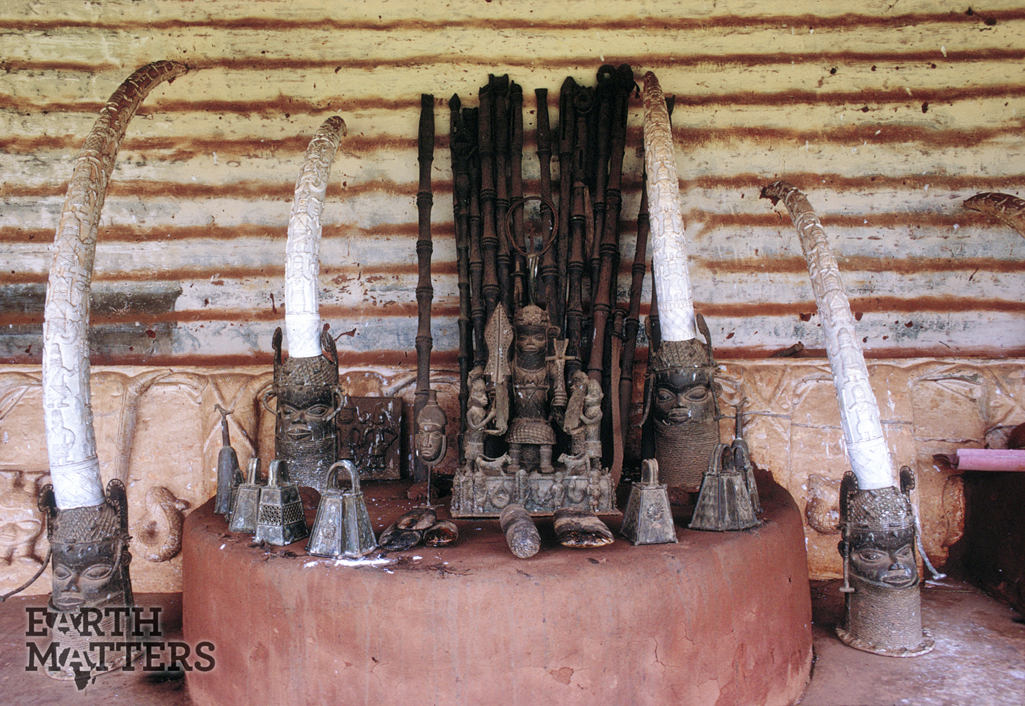
Ancestor reverence is one of the most widely recognized aspects of many African spiritual traditions. In numerous cultures, ancestors are remembered with respect through prayers, commemorations, storytelling, offerings, and family ceremonies. These practices reflect beliefs about maintaining a meaningful connection between generations rather than simply remembering the past.
The specific customs surrounding ancestor reverence differ widely among communities. Some families observe annual ceremonies, while others incorporate remembrance into weddings, births, harvest festivals, or community celebrations.
Spiritual Leaders Within African Communities
Many African societies recognize individuals who serve important cultural and religious roles. Depending on the community, these leaders may include priests, priestesses, elders, diviners, healers, custodians of sacred sites, or ceremonial leaders.
Their responsibilities often include:
Preserving oral traditions.
Leading religious ceremonies.
Advising families during important life events.
Teaching cultural values.
Interpreting traditional customs.
Supporting community reconciliation.
Safeguarding sacred knowledge.
Their authority typically comes from their role within a particular cultural or religious tradition rather than from a centralized institution.
Rituals and Ceremonies
Rituals play an important role in many African spiritual traditions. They often accompany significant moments such as births, naming ceremonies, coming-of-age celebrations, marriages, harvest festivals, leadership installations, and memorial observances.
Music, drumming, dancing, singing, symbolic objects, traditional clothing, and storytelling frequently form part of these ceremonies. The meaning of each ritual depends on the cultural context in which it is practiced.
Interpretations of the purpose or spiritual significance of these ceremonies vary according to the beliefs of practitioners.
Nature and the Sacred
Many African spiritual traditions express deep respect for the natural environment. Forests, rivers, mountains, trees, and other natural landscapes may hold cultural or religious significance within particular communities.
These traditions often encourage responsible stewardship of the environment, emphasizing that humanity exists in relationship with the natural world rather than apart from it.
Diversity Across Africa
Africa is home to more than 3,000 ethnic groups and thousands of languages. Consequently, African spiritual traditions are highly diverse.
Examples include traditions associated with the Yoruba peoples of Nigeria and Benin, the Fon communities of Benin, Akan traditions in Ghana, Zulu spiritual customs in South Africa, and many others. Each has its own beliefs, rituals, sacred stories, and ceremonial practices.
Recognizing this diversity helps avoid treating African spirituality as a single, uniform belief system.
Influence Around the World
During the transatlantic slave trade, many Africans carried elements of their spiritual heritage to the Americas and the Caribbean. Over time, these traditions blended with local cultures and other religious influences, contributing to the development of several diaspora religions.
Today, scholars study these traditions to better understand African history, resilience, and cultural continuity.
Common Misconceptions
Popular media has often portrayed African spiritual traditions inaccurately, emphasizing sensational or fictional elements. Such portrayals can obscure the complexity and cultural significance of these belief systems.
Modern scholarship emphasizes understanding these traditions within their historical and cultural contexts, recognizing that they represent living religions and cultural practices for many communities.
Contemporary Relevance
African spiritual traditions continue to evolve while preserving connections to the past. Many communities practice these traditions alongside other religions, reflecting the diversity of contemporary African societies.
Interest in African cultural heritage has grown internationally through museums, academic research, cultural festivals, music, literature, and educational programs.
Frequently Asked Questions
What are African spiritual traditions?
They are diverse indigenous religious and cultural belief systems practiced by many African communities. They include traditions involving ancestor reverence, ceremonies, ethical teachings, community values, and connections with nature.
Are all African spiritual traditions the same?
No. Africa contains hundreds of distinct traditions, each shaped by the history, language, and customs of different peoples.
Do all Africans follow traditional spiritual beliefs?
No. Africa is religiously diverse, and many people practice Christianity, Islam, traditional religions, or combinations of these traditions depending on their communities and personal beliefs.
Why are ancestors important?
In many traditions, honoring ancestors reflects respect for family heritage, continuity between generations, and cultural identity. The meaning and practices vary among communities.
Why is African spirituality gaining global attention?
Growing interest in African history, culture, religion, anthropology, and heritage has encouraged people worldwide to learn more about indigenous African traditions from accurate and respectful sources.
African spiritual traditions represent a rich and diverse heritage that has shaped communities across the continent for thousands of years. While beliefs and practices differ widely among cultures, many emphasize respect for ancestors, community, ethical living, and the sacred relationship between people and nature. Understanding these traditions through historical, cultural, and religious perspectives helps promote greater appreciation for Africa’s remarkable diversity and enduring cultural legacy.
Whether approached through academic study, cultural exploration, or comparative religion, African spiritual traditions continue to offer valuable insights into the history, beliefs, and identities of countless African communities. Presenting these traditions accurately and respectfully allows readers to appreciate their significance while recognizing that interpretations of spiritual experiences remain matters of personal faith and cultural belief.