Discover African Traditional Healing and learn how Vodun traditions preserve indigenous knowledge, holistic wellness, cultural identity, and community well-being across West Africa.
African Traditional Healing is one of the oldest systems of wellness in the world. Long before hospitals and modern medical facilities existed, communities across Africa developed extensive knowledge of medicinal plants, nutrition, environmental health, and holistic well-being. These traditions were carefully preserved through generations by elders, herbalists, and traditional healers who understood both the natural environment and the needs of their communities.
Within the Vodun traditions of Benin and other parts of West Africa, healing has always been viewed as more than treating illness. It reflects a broader understanding of health that includes physical wellness, emotional balance, community support, respect for nature, and the preservation of cultural knowledge. Rather than separating spirituality from everyday life, these traditions recognize that a healthy society depends upon harmony between individuals, families, communities, and the natural world.
Today, African Traditional Healing continues to represent an important part of Africa’s cultural heritage. As global interest in indigenous knowledge grows, these traditional practices are increasingly appreciated for their historical significance, environmental wisdom, and holistic approach to well-being.
What Is African Traditional Healing?
African Traditional Healing refers to the indigenous healthcare systems that have been practiced across the continent for centuries. These systems combine practical knowledge of medicinal plants with community care, traditional wisdom, and cultural values that have been passed from one generation to another.
Unlike healthcare approaches that focus only on physical symptoms, African Traditional Healing often considers the whole person. Physical health, emotional well-being, family relationships, cultural identity, and community support are all seen as important aspects of a healthy life. This holistic perspective encourages prevention, balance, and responsible living rather than responding only after illness occurs.
Because these traditions developed within local environments, they also reflect a deep understanding of Africa’s rich biodiversity and natural resources.
The Historical Foundations of Traditional Healing
The roots of African Traditional Healing stretch back thousands of years. Ancient communities carefully observed nature, learning which plants could be used for food, which supported health, and how seasonal changes affected daily life. Over time, this knowledge became part of the cultural heritage of many African societies.
Rather than being written in books, much of this information was preserved through oral traditions, storytelling, apprenticeships, and practical experience. Elders and traditional healers taught younger generations not only how to identify useful plants but also how to care for the environment that made these resources available.
This continuous transfer of knowledge helped communities remain resilient while preserving valuable medical and environmental wisdom.
Vodun Traditions and Holistic Wellness
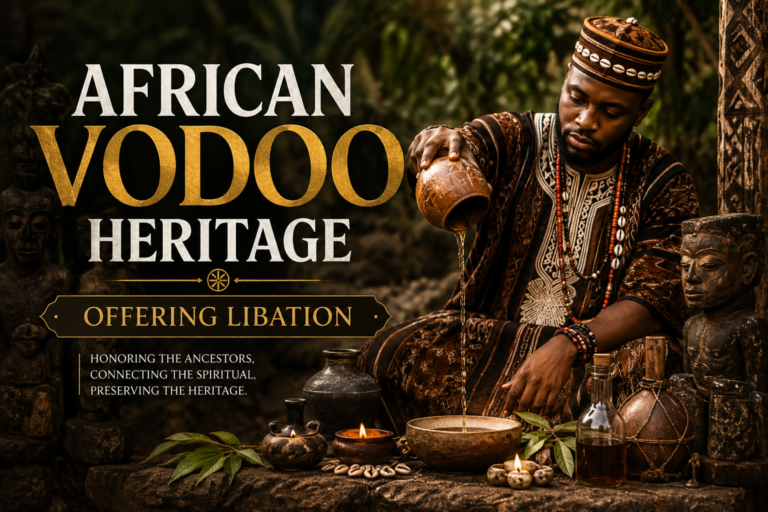
Within the Vodun heritage of West Africa, healing is closely connected to the idea of living in harmony. Good health is understood as a balance between individuals, their families, their communities, and the environment around them.
Traditional practices often encourage healthy lifestyles, emotional support, mutual respect, and responsible stewardship of natural resources. Community members work together during times of illness or hardship, recognizing that healing involves compassion and cooperation as much as physical recovery.
This holistic approach continues to distinguish African Traditional Healing from many modern healthcare models by emphasizing prevention, social support, and long-term well-being.
The Importance of Herbal Knowledge
Africa possesses one of the richest collections of medicinal plants in the world. For centuries, communities have studied local vegetation and developed practical knowledge about the traditional uses of herbs, roots, leaves, and other natural resources.
Traditional healers became respected custodians of this knowledge, carefully preserving information that had been tested and refined through generations of observation. Today, researchers continue to study many African plants because of their historical importance and potential scientific value.
The preservation of herbal knowledge also encourages environmental conservation by highlighting the importance of protecting forests and biodiversity.
Traditional Healers as Community Leaders
Traditional healers have historically served many important roles beyond healthcare. They have acted as educators, advisors, counselors, and guardians of cultural heritage. Their work often includes guiding families, preserving indigenous knowledge, and strengthening community relationships.
By sharing wisdom with younger generations, traditional healers contribute to the survival of cultural identity while encouraging respect for elders and local traditions. Their influence extends beyond medicine into education, history, and social wellbeing.
The Connection Between Healing and Nature
Nature forms the foundation of African Traditional Healing. Forests, rivers, plants, and wildlife provide many of the natural resources that communities have relied upon for generations. This close relationship encourages respect for the environment and promotes sustainable use of natural resources.
Traditional teachings often remind people that caring for nature also protects human health. Healthy forests provide medicinal plants, clean rivers support agriculture, and balanced ecosystems contribute to community wellbeing. These principles remain highly relevant today as societies seek sustainable approaches to environmental conservation.
Music, Storytelling, and Community Support
Healing within African traditions often extends beyond physical care to include emotional and social wellbeing. Music, drumming, storytelling, dance, and communal gatherings help strengthen relationships and create supportive environments where individuals feel connected to their communities.
These cultural expressions preserve history while promoting resilience during difficult times. They remind people that healing is not always an individual experience but often involves the encouragement and support of family, friends, and neighbors.
Correcting Common Misconceptions
For many years, African Traditional Healing and Vodun have been misunderstood because of inaccurate portrayals in films and popular culture. These portrayals often focus on myths while overlooking the rich cultural knowledge that forms the foundation of traditional African wellness systems.
In reality, African Traditional Healing emphasizes indigenous knowledge, environmental stewardship, community cooperation, and holistic approaches to health. Understanding these traditions through reliable historical and cultural sources helps replace stereotypes with informed appreciation.
African Traditional Healing in the Modern World
Interest in African Traditional Healing continues to grow among researchers, cultural organizations, and younger generations seeking to reconnect with their heritage. Universities, museums, and conservation groups increasingly recognize the importance of preserving indigenous knowledge before it is lost.
At the same time, many traditional communities continue to practice cultural customs that promote healthy living, environmental responsibility, and strong family relationships. These traditions demonstrate that historical knowledge can remain valuable even in a rapidly changing world.
Why African Traditional Healing Still Matters Today
Modern society faces many challenges related to environmental sustainability, community wellbeing, and preventive healthcare. African Traditional Healing offers valuable perspectives that emphasize balance, cooperation, respect for nature, and long-term wellness.
Although healthcare continues to evolve through scientific research and technological advances, the traditional values of prevention, community support, and environmental stewardship remain as relevant today as they were centuries ago.
African Traditional Healing is one of Africa’s most enduring cultural treasures. Rooted in indigenous knowledge and closely connected to the Vodun traditions of West Africa, it represents a holistic understanding of health that values physical wellness, emotional resilience, strong communities, and respect for nature.
Far beyond the misconceptions often portrayed in popular media, these traditions preserve centuries of wisdom while continuing to inspire efforts to protect Africa’s cultural heritage. As interest in indigenous knowledge grows around the world, African Traditional Healing reminds us that caring for people, communities, and the environment has always been central to lasting well-being.