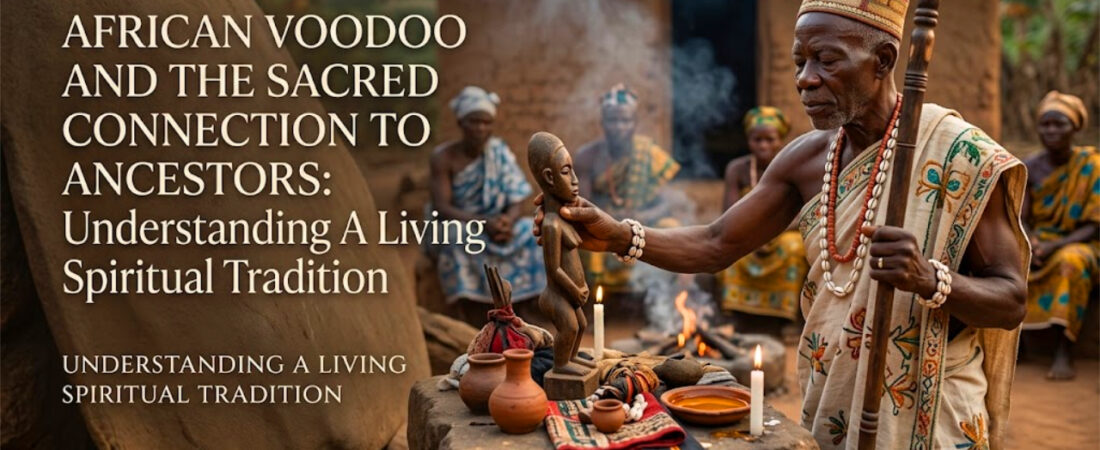
African Voodoo is one of the world’s oldest surviving spiritual traditions. For millions of people across West Africa and throughout the African diaspora, it is much more than a collection of rituals. It is a complete spiritual system that emphasizes respect for God, reverence for ancestors, moral responsibility, community, healing, and harmony with the natural world.
Many people searching online for an African Voodoo Priest near me, an Authentic African Voodoo Priest, or an African spiritual consultation online are often looking for trustworthy information before seeking guidance. They want to understand what African Voodoo truly teaches, how ancestors are honored, and why these traditions continue to play an important role in many communities today.
One of the most meaningful aspects of African Voodoo is its connection to ancestorship. Ancestors are remembered as respected family members who lived honorable lives and whose memory continues to inspire the living. While beliefs differ among cultures and spiritual traditions, many practitioners believe that maintaining respect for one’s ancestors strengthens family identity, cultural continuity, and personal spiritual awareness.
Understanding this perspective helps explain why an African spiritual advisor, an African spiritual healer, or a Traditional African healer may place great importance on family history, ancestral wisdom, ethical living, and cultural traditions during an Online spiritual consultation.
What Is African Voodoo?
African Voodoo, often called Vodun or Vodun spirituality in parts of West Africa, is an indigenous spiritual tradition practiced in countries including Benin, Togo, Ghana, and parts of Nigeria. It has influenced related traditions in Haiti, Brazil, Cuba, and other regions through the African diaspora.
Contrary to popular myths, African Voodoo is not based on fear or sensational stories often shown in movies. Instead, it is founded upon values such as:
Respect for the Creator
Respect for ancestors
Community responsibility
Moral conduct
Balance with nature
Spiritual discipline
Wisdom passed through generations
Many individuals who seek African spiritual services do so because they appreciate the tradition’s emphasis on reflection, family heritage, and personal growth rather than quick answers.
The Meaning of Ancestorship in African Voodoo
Ancestorship is one of the foundations of African traditional spirituality.
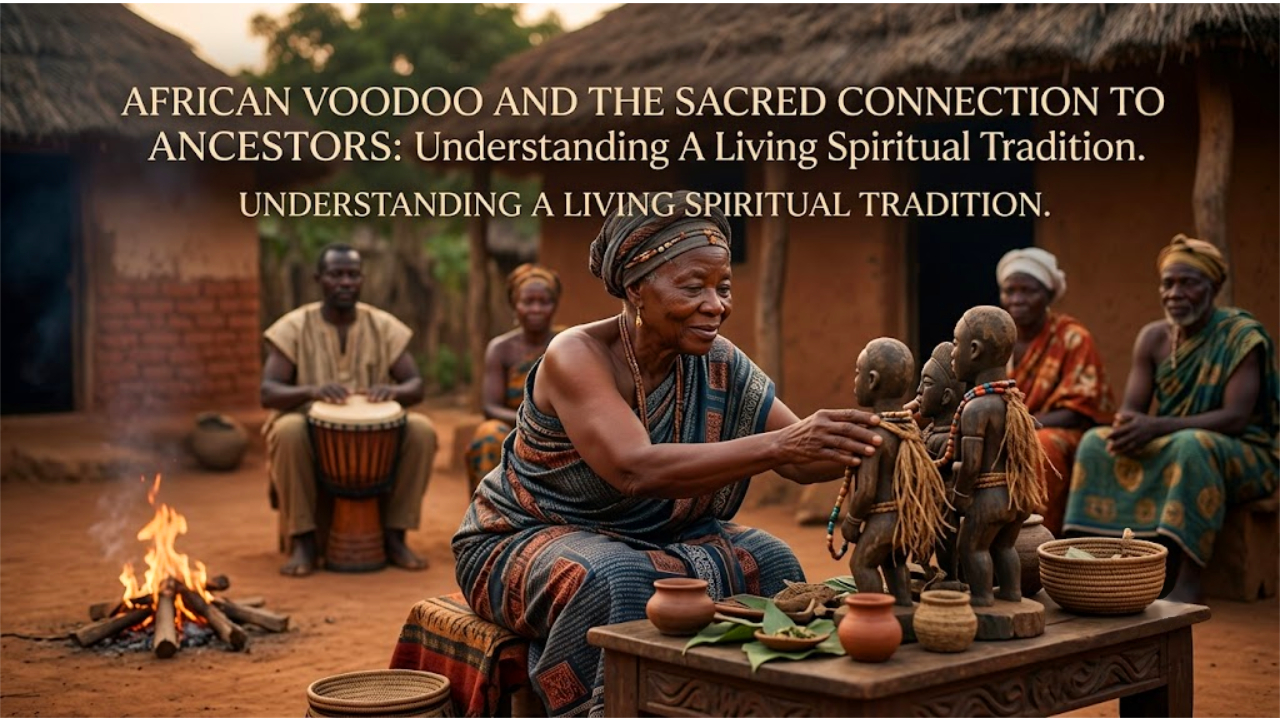
In many African cultures, ancestors are remembered as family members whose lives, values, and experiences continue to influence future generations through memory, tradition, and cultural identity. Honoring ancestors is often understood as a way of expressing gratitude, preserving family history, and strengthening one’s connection to community.
Many practitioners believe that ancestors continue to watch over their descendants in a spiritual sense. Others view ancestor reverence more symbolically—as a reminder to live with integrity and uphold the values passed down through generations.
Both perspectives emphasize respect rather than worship.
This distinction is important because ancestors are generally honored as respected elders, while ultimate reverence belongs to the Supreme Creator within many African traditional belief systems.
Why Ancestors Are Highly Respected
Throughout Africa, family is central to community life.
Ancestors represent:
Wisdom
Experience
Sacrifice
Cultural identity
Family history
Moral guidance
Tradition
Responsibility
Many families maintain customs that honor those who came before them through storytelling, ceremonies, remembrance, and acts of gratitude.
When someone seeks an African ancestor reading, they are often looking for guidance that helps them reflect on family traditions, cultural heritage, and personal direction according to the beliefs of the practitioner.
The Role of an Authentic African Voodoo Priest
An Authentic African Voodoo Priest is traditionally regarded as a custodian of spiritual knowledge within their community. Responsibilities vary by culture and lineage but may include:
Preserving sacred traditions
Leading ceremonies
Offering spiritual guidance
Conducting an African divination reading
Supporting community rituals
Teaching younger generations
Helping families honor ancestral customs
Many also provide an African spiritual consultation online, allowing people who cannot travel to learn about traditional beliefs, ask questions, and receive culturally informed guidance.
Responsible practitioners present their work as spiritual guidance rooted in tradition rather than guaranteeing specific supernatural outcomes.
Understanding African Divination Reading
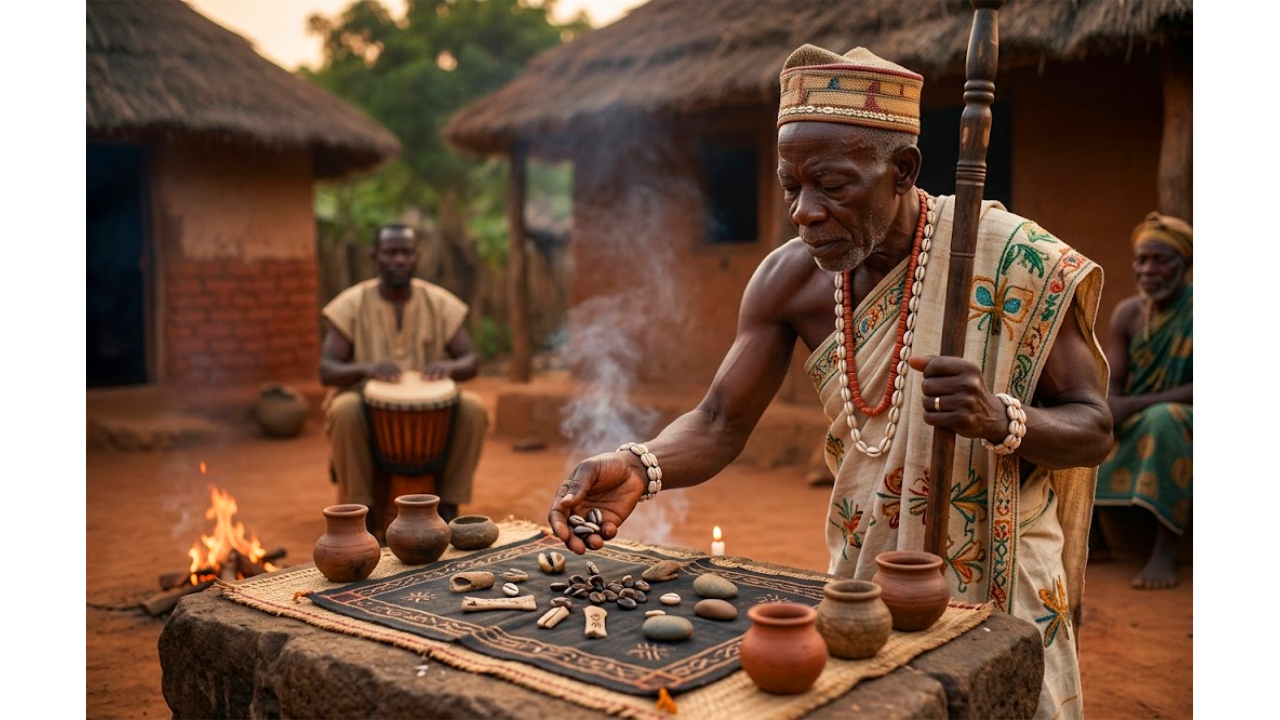
An African divination reading is a traditional practice used in several African spiritual systems. Different cultures use different methods, such as sacred objects, symbolic patterns, or ritual procedures, to support reflection and decision-making.
Within these traditions, divination is understood as a way to seek insight according to the practitioner’s beliefs.
Many people request an African divination reading when facing questions about relationships, family, career, personal growth, or important life decisions. Rather than replacing practical judgment or professional advice, it is often viewed as a complementary source of spiritual reflection.
African Ancestor Reading
An African ancestor reading focuses specifically on ancestral traditions and family heritage.
Depending on the practitioner’s tradition, it may involve discussions about:
Family lineage
Cultural heritage
Traditional values
Personal reflection
Spiritual symbolism
Community responsibilities
Many people find these consultations meaningful because they encourage reflection on where they come from and how ancestral values can influence present-day decisions.
African Spiritual Consultation Online
Modern technology has made it possible for many traditional practitioners to offer an African spiritual consultation online through video calls, phone conversations, or messaging.
These consultations may include:
Learning about African traditions
Discussing family history
Spiritual mentoring
Questions about cultural practices
Guidance rooted in traditional beliefs
Recommendations for personal reflection or ceremonies where appropriate
Online consultations have made African spiritual knowledge more accessible to people around the world while allowing practitioners to preserve and share their traditions respectfully.
African Spiritual Advisor
An African spiritual advisor serves as a guide who helps individuals understand traditional beliefs, cultural values, and personal challenges through the lens of their spiritual heritage.
Rather than making promises about guaranteed outcomes, a responsible advisor encourages thoughtful reflection, ethical living, respect for others, and informed personal choices.
Their role is often comparable to that of a mentor who helps individuals reconnect with cultural identity and spiritual traditions.
African Spiritual Guidance
African spiritual guidance emphasizes living in balance with family, community, nature, and the Creator.
Common themes include:
Honesty
Respect
Gratitude
Compassion
Responsibility
Patience
Service to others
Personal discipline
These values have helped African spiritual traditions endure for centuries.
African Spiritual Mentor
An African spiritual mentor often teaches students over many years. Training traditionally includes learning about history, ceremonies, ethics, symbolism, language, music, and community responsibilities.
Mentorship emphasizes patience and lifelong learning rather than quick solutions.
Traditional African Healer
A Traditional African healer occupies an important cultural role in many communities. Depending on local customs, healers may use knowledge of herbs, counseling, ritual, and spiritual traditions alongside cultural practices that have been passed down through generations.
Traditional healing practices differ widely across Africa and should not be viewed as replacements for modern medical care. Many practitioners encourage people to seek appropriate healthcare when needed while also valuing cultural and spiritual traditions.
African Spiritual Healer
An African spiritual healer focuses on supporting spiritual well-being according to the beliefs of their tradition. This may include prayer, meditation, symbolic rituals, or counseling designed to help individuals reconnect with their values and community.
People often seek such guidance during periods of stress, grief, or major life transitions.
African Energy Cleansing
Many African spiritual traditions include symbolic cleansing ceremonies. An African energy cleansing is understood by practitioners as a ritual intended to mark a fresh beginning, promote inner reflection, and encourage emotional or spiritual renewal according to their beliefs.
These ceremonies vary significantly between cultures and should be understood as expressions of faith rather than scientifically established treatments.
Spiritual Protection Consultation
A Spiritual protection consultation generally involves discussing traditional beliefs about personal well-being, ethical conduct, and ceremonial practices intended to promote a sense of spiritual security within the practitioner’s belief system.
Many traditions teach that living honestly, respecting others, and maintaining harmony within the community are central aspects of spiritual protection.
African Blessing Ceremony
An African blessing ceremony is often performed to celebrate important life events such as births, marriages, new homes, harvests, or community gatherings.
These ceremonies commonly include prayers, songs, offerings, storytelling, drumming, and expressions of gratitude to God and the ancestors according to local customs.
They reinforce family unity and cultural continuity.
Why Ancestors Remain Important Today
Modern life has changed many traditions, but ancestor remembrance continues to hold deep meaning for many African families. Remembering ancestors can:
Preserve family history.
Strengthen cultural identity.
Encourage respect for elders.
Pass wisdom between generations.
Inspire ethical living.
Build community connections.
Whether viewed spiritually or culturally, ancestor reverence helps many people feel connected to their heritage.
The Global Interest in African Spirituality
Interest in African traditional spirituality has grown around the world. Researchers, historians, cultural organizations, and individuals are increasingly exploring these traditions to better understand Africa’s rich heritage and the resilience of indigenous knowledge.
For many, an African spiritual consultation online provides an opportunity to learn respectfully from knowledgeable practitioners while appreciating the diversity of African cultures.
Conclusion
African Voodoo is a living spiritual tradition rooted in centuries of history, culture, and community. At its heart lies a profound respect for ancestors, who are remembered as guardians of family history, moral values, and cultural identity. While beliefs about ancestors vary among different communities and practitioners, the enduring message is one of gratitude, responsibility, and connection.
Whether someone is seeking an African Voodoo Priest near me, an Authentic African Voodoo Priest, an African spiritual advisor, an African divination reading, an African ancestor reading, an African spiritual healer, a Traditional African healer, African spiritual services, an Online spiritual consultation, African energy cleansing, a Spiritual protection consultation, an African blessing ceremony, African spiritual guidance, or an African spiritual mentor, approaching these traditions with respect and an open mind allows for a deeper appreciation of one of Africa’s most enduring cultural and spiritual heritages.
Rather than focusing on myths or sensational claims, understanding African Voodoo through the lens of ancestor reverence, community values, ethical living, and cultural continuity offers a more accurate and meaningful perspective on this remarkable spiritual tradition.

Mystical Realm of Voodoo Love Spells: What African Voodoo
8 African Voodoo Practitioners Love Spells, Love Magic, and…
Read More
The Role Of Godmothers And Godfathers In African Voodoo
Across many African spiritual traditions, the relationship between…
Read More
The Power Of Offering Libation In Authentic African Voodoo
Across Africa, one of the oldest and most…
Read More
Why Some Westerners Are Turning To Authentic African Voodoo
Why Some Westerners Are Turning to Authentic African…
Read More