Discover the animals that hold spiritual significance in Vodun and learn how they symbolize wisdom, protection, strength, fertility, and harmony with nature in African traditional culture.
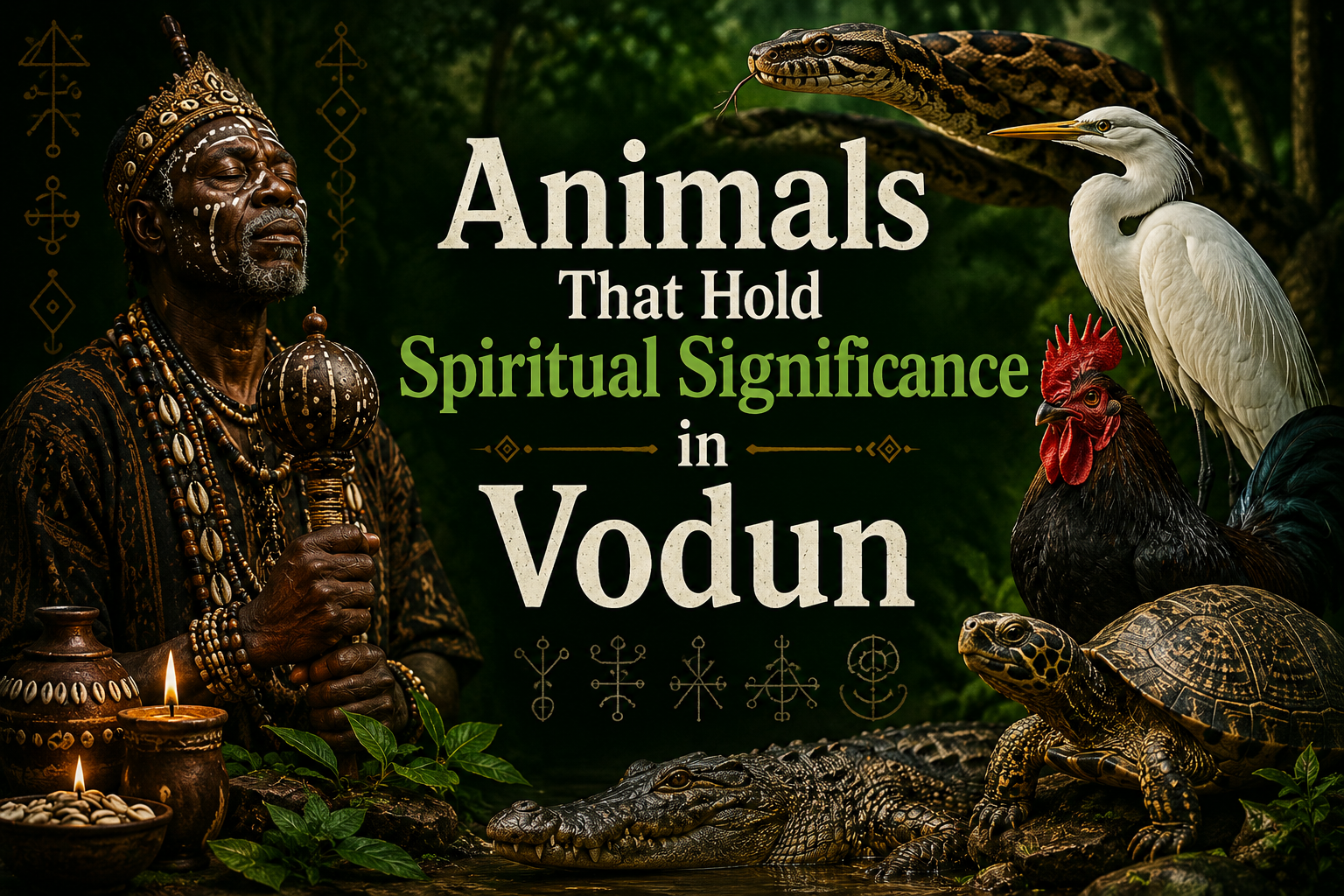
Across many African cultures, animals have always occupied an important place in both daily life and traditional beliefs. They provide food, assist with farming, inspire stories, and help people understand the natural world. Within the Vodun traditions of Benin and parts of West Africa, certain animals are also associated with cultural and spiritual meanings. Rather than being viewed simply as wildlife, these animals often represent important qualities such as wisdom, strength, protection, patience, fertility, or balance.
For those unfamiliar with Vodun, the relationship between animals and spirituality can sometimes be misunderstood. Some people assume that every animal connected with Vodun is worshipped or possesses magical powers. In reality, the significance of these animals is deeply rooted in symbolism, tradition, and the close relationship that African communities have long maintained with nature. Just as many cultures around the world use animals as national symbols, family emblems, or religious imagery, Vodun traditions recognize certain animals for the lessons and values they represent.
Understanding animals that hold spiritual significance in Vodun provides a deeper appreciation of how African communities interpret the natural world. These traditions remind people that humanity does not exist apart from nature but shares a close and lasting relationship with every living creature.
The Connection Between Animals and Vodun
In the Vodun worldview, nature is filled with meaning. Forests, rivers, mountains, trees, and animals all contribute to the balance of life. People are encouraged to observe nature carefully because it teaches valuable lessons about survival, patience, cooperation, courage, and resilience.
Animals are respected because each species possesses unique characteristics that can inspire human behavior. Their movements, habits, and roles within the environment often become symbols used in storytelling, ceremonies, traditional art, and cultural education. This respect does not necessarily mean that every animal is sacred in the same way or that every community interprets animals identically. Different ethnic groups and regions may associate particular animals with different traditions and customs.
The importance of animals within Vodun also reflects the belief that humans should live in harmony with the natural world. Protecting wildlife and respecting ecosystems contribute to maintaining balance within both the environment and community life.

The Python: A Symbol of Protection and Continuity
Among the animals most closely associated with Vodun is the python. In the historic city of Ouidah, the famous Temple of Pythons has become one of the country’s best-known cultural landmarks, attracting visitors from around the world who wish to learn about Benin’s spiritual heritage.
Within many Vodun traditions, the python is respected for qualities such as wisdom, patience, renewal, and protection. Because snakes periodically shed their skin, they are often viewed as symbols of renewal and transformation. Their calm movements and quiet strength also represent patience and careful action rather than unnecessary aggression.
The presence of pythons in certain sacred spaces reflects long-standing cultural traditions that emphasize coexistence with nature. Visitors to these sites are encouraged to approach them with respect, recognizing their historical and cultural importance rather than viewing them through the lens of fear or sensationalism.

The Crocodile: Strength and Resilience
The crocodile is another animal that has long held symbolic importance in various African traditions. Living comfortably in both water and on land, it represents adaptability, endurance, and resilience. Its ability to survive in changing environments has made it a powerful symbol of strength and determination.
Traditional stories often use the crocodile to teach lessons about patience, awareness, and strategic thinking. Rather than acting impulsively, the crocodile waits carefully before making its move. This behavior serves as a reminder that wisdom often comes from careful observation rather than rushing into action.
In communities living near rivers and wetlands, the crocodile also reminds people to respect nature and understand the power of the natural world.

Birds as Messengers of Nature
Birds occupy an important place within African folklore and traditional beliefs because they move freely between the earth and the sky. Their ability to fly has inspired many stories that associate them with communication, awareness, and observation.
Different bird species may carry different symbolic meanings depending on the community. Some are admired for their intelligence, while others represent vigilance, peace, or renewal. Their songs often mark the beginning of a new day, reinforcing themes of hope and continuity.
Birds also play an important role in maintaining healthy ecosystems by dispersing seeds, controlling insects, and supporting biodiversity. Their presence reminds communities that protecting wildlife contributes to the wellbeing of the entire environment.

The Leopard: Courage and Leadership
Throughout African history, the leopard has been admired for its strength, confidence, and independence. Many kingdoms regarded the leopard as a symbol of leadership and authority because of its intelligence and remarkable hunting abilities.
Traditional art, royal regalia, and cultural symbols frequently feature leopard imagery to represent wisdom combined with strength. The animal’s calm confidence reminds people that true leadership is demonstrated through discipline, responsibility, and sound judgment rather than unnecessary displays of power.
Although leopards are now less common in many regions due to habitat loss, their symbolic importance continues through stories, artwork, and cultural traditions.

The Tortoise: Wisdom Through Patience
The tortoise appears in countless African folktales where it often serves as a clever and thoughtful character. Despite moving slowly, it succeeds through patience, intelligence, and careful planning rather than speed or physical strength.
These stories teach valuable life lessons, encouraging people to think carefully before making important decisions. The tortoise reminds communities that lasting success often comes through perseverance, humility, and wisdom rather than haste.
Its symbolic role continues to inspire traditional storytelling, making it one of the most recognizable animals in African cultural education.

Fish and the Importance of Water
Water is essential to life, and the animals that live within it also carry important symbolic meaning. Fish often represent abundance, fertility, prosperity, and the life-giving power of rivers and lakes that support communities throughout West Africa.
Many traditional ceremonies express gratitude for the natural resources provided by water while encouraging responsible stewardship of rivers and wetlands. Healthy aquatic environments support both wildlife and human livelihoods, reinforcing the idea that caring for nature benefits everyone.
The symbolic importance of fish highlights the close relationship between environmental wellbeing and community prosperity.

Pangolins and Respect for Wildlife
The pangolin, one of Africa’s most unique mammals, is respected in many traditional communities for its remarkable appearance and gentle nature. Covered in protective scales and known for its quiet behavior, the pangolin symbolizes resilience, self-protection, and balance within nature.
Although not every Vodun community assigns the same spiritual meaning to the pangolin, it is widely recognized as an important part of Africa’s biodiversity. Today, the species also represents the growing need for wildlife conservation. Pangolins face serious threats from illegal wildlife trafficking and habitat destruction, making their protection an international conservation priority.
Learning about animals like the pangolin reminds us that respecting nature includes protecting vulnerable species for future generations.
Why Animals Appear in Traditional Stories
Animals play a central role in African storytelling because they help communicate important lessons in ways that are memorable and engaging. Rather than simply entertaining audiences, these stories teach values such as honesty, courage, generosity, cooperation, and respect for others.
Children learn about their culture by listening to tales in which animals demonstrate both good and bad behavior. These stories encourage critical thinking while strengthening connections between younger generations and their cultural heritage.
Many of these lessons remain just as relevant today as they were centuries ago, proving that traditional storytelling continues to be a valuable educational tool.
Respecting Animals as Part of Creation
One of the most important lessons found within Vodun traditions is that humans are not separate from nature. Animals are part of the larger web of life, and each species contributes to the balance of the environment. Whether pollinating plants, dispersing seeds, controlling pests, or maintaining healthy ecosystems, wildlife plays an essential role in supporting life on Earth.
This understanding encourages people to treat animals with care rather than exploiting them without thought. Respect for wildlife also reflects gratitude for the natural world that sustains human life.
As modern environmental challenges continue to grow, these traditional teachings provide valuable reminders about the importance of conservation and responsible stewardship.
Animals in Art, Festivals, and Cultural Heritage
The influence of animals extends beyond spiritual beliefs into many aspects of African culture. Traditional masks, sculptures, textiles, carvings, and ceremonial objects often feature animal designs that reflect admired qualities such as wisdom, courage, fertility, protection, or resilience.
During cultural festivals in Benin, visitors may encounter artistic representations of animals in costumes, performances, music, and storytelling. These expressions celebrate the close relationship between humanity and nature while preserving traditions that have been passed down for generations.
Such artistic traditions demonstrate that animals are valued not only for their practical importance but also for the inspiration they provide in preserving cultural identity.
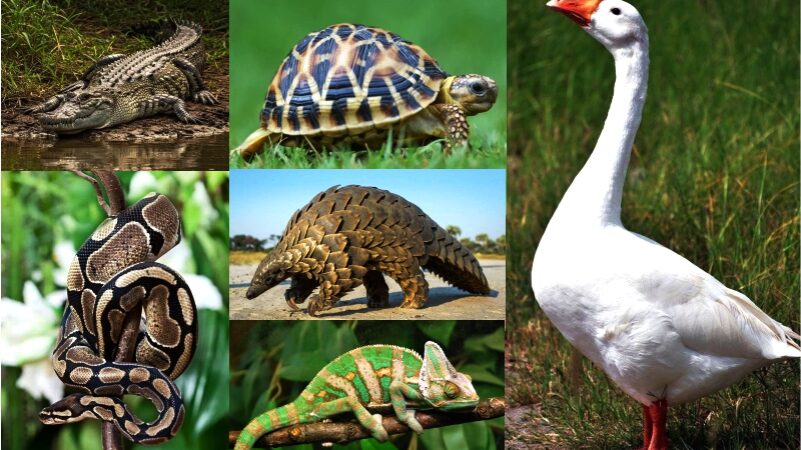
Understanding animals that hold spiritual significance in Vodun offers a deeper appreciation of African cultural heritage and the values that shape traditional life. Animals such as the python, crocodile, leopard, tortoise, birds, fish, and pangolin are respected not because they are viewed simply as extraordinary creatures, but because they symbolize qualities that communities admire and strive to preserve.
These traditions encourage people to observe nature with respect, learn from its wisdom, and recognize that human wellbeing depends upon the health of the environment. Rather than separating spirituality from everyday life, Vodun highlights the interconnectedness of people, wildlife, and the natural world.
In today’s world, where conservation and environmental awareness are becoming increasingly important, these timeless teachings continue to inspire a greater appreciation for biodiversity, cultural heritage, and humanity’s shared responsibility to protect the living world for future generations.

Mystical Realm of Voodoo Love Spells: What African Voodoo Says About Love Spell Rituals and Finding a Soulmate