Discover the truth behind the common misconceptions about Vodun. Learn about its history, beliefs, practices, and cultural significance while separating myths from reality.
Vodun is one of Africa’s oldest and most respected traditional spiritual systems, yet it is also one of the most misunderstood. For centuries, stories, films, novels, and misinformation have created an image of Vodun that often bears little resemblance to the beliefs and practices of the people who follow it. As a result, many individuals associate Vodun with fear, black magic, curses, or mysterious rituals without ever taking the time to understand its true meaning.
The reality is far more complex and deeply rooted in African history and culture. Originating in present-day Benin and practiced across parts of Togo, Ghana, and Nigeria, Vodun is a spiritual tradition that emphasizes harmony between humanity, nature, ancestors, and the divine. It is not merely a religion but also a cultural heritage that has shaped the identity, customs, festivals, music, and social values of many African communities for centuries.
Understanding the common misconceptions about Vodun is essential for appreciating its true place in African history. By separating myths from facts, we can develop a more balanced and respectful understanding of a tradition that continues to be practiced by millions of people around the world.
Why Is Vodun So Often Misunderstood?
Much of the misunderstanding surrounding Vodun comes from centuries of cultural misunderstanding, colonial narratives, and sensational portrayals in popular entertainment. During the colonial period, many African spiritual traditions were dismissed as primitive or dangerous simply because they differed from European religious practices. These portrayals often ignored the rich philosophical and cultural foundations of Vodun and instead focused on creating fear or curiosity.
In modern times, movies and television have continued to reinforce these misconceptions. Fictional stories frequently portray Vodun as a religion centered on curses, zombies, or supernatural violence. While these themes may entertain audiences, they rarely reflect the beliefs and practices of real Vodun communities. As a result, many people form opinions based on fiction rather than historical or cultural facts.
Education plays an important role in correcting these misunderstandings. Learning directly from reliable sources allows people to appreciate Vodun as a living tradition with deep cultural significance rather than as a collection of myths.
Misconception 1: Vodun Is the Same as Black Magic
Perhaps the most widespread misconception is that Vodun exists solely to perform harmful magic or cast curses on others. This belief has been repeated so often in movies and popular culture that many people assume it is true.
In reality, Vodun is a broad spiritual tradition concerned with maintaining harmony between individuals, communities, nature, ancestors, and the divine. Like many religions, it includes prayers, ceremonies, moral teachings, festivals, and community gatherings. While some individuals in different cultures may claim supernatural abilities or misuse spiritual beliefs for personal gain, these actions should not be confused with the religion itself.
Judging an entire spiritual tradition by the actions of a few individuals would be as inaccurate as judging any other religion solely by isolated examples of wrongdoing. The central teachings of Vodun emphasize respect, responsibility, and balance rather than harm.
Misconception 2: Vodun Worships Evil Spirits
Another common misunderstanding is that Vodun encourages the worship of evil or malicious spirits. This idea is largely based on unfamiliarity with the spiritual worldview of African traditional religions.
Within Vodun, there is belief in a Supreme Creator who is regarded as the ultimate source of life. Alongside this belief are various spiritual beings, often referred to as Vodun or deities, who are understood as intermediaries associated with different aspects of nature, human life, and the universe. These spiritual beings are respected for the roles they play within the tradition, much like spiritual messengers or guardians in other religious systems.
The existence of spiritual beings does not automatically imply evil. Instead, Vodun teaches that the spiritual and physical worlds are interconnected, and maintaining harmony between them is an important part of community life.
Misconception 3: Vodun Dolls Are Central to Vodun
Few images are more strongly associated with Vodun in popular culture than the so-called “Vodun doll.” Movies often portray dolls covered with pins and used to harm people from a distance. While this image has become famous worldwide, it does not accurately represent traditional Vodun as practiced in Benin.
The concept of dolls used in popular entertainment largely developed through Western folklore, literature, and fictional storytelling rather than authentic Vodun traditions. Although symbolic objects may be used in various spiritual practices around the world, they do not define Vodun or represent its central beliefs.
When visitors attend Vodun festivals in Benin, they are far more likely to encounter music, dancing, drumming, prayers, cultural ceremonies, and vibrant community celebrations than anything resembling the fictional images often shown in films.
Misconception 4: Vodun Is Only Practiced in Secret
Some people imagine Vodun as a hidden religion practiced only in isolated places under the cover of darkness. This perception could not be further from reality.
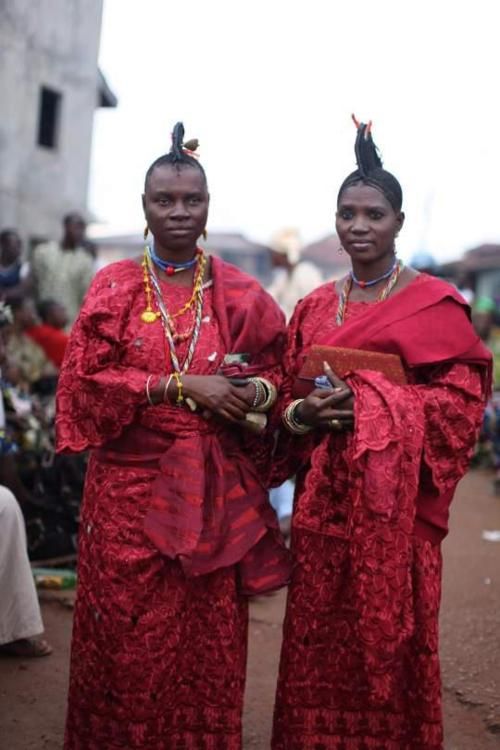
In Benin, Vodun is officially recognized as an important part of the country’s cultural heritage. Every year, thousands of people gather on January 10 to celebrate National Vodun Day, a public festival featuring traditional ceremonies, music, dance, colorful attire, and cultural performances. Visitors from around the world attend these celebrations to learn about the history and traditions of Vodun firsthand.
Far from being secretive, many aspects of Vodun are openly celebrated as expressions of cultural identity and historical pride.
Misconception 5: Vodun Is Against Modern Society
Another misconception suggests that Vodun belongs only to the past and has no place in the modern world. In reality, many people who practice Vodun also participate fully in contemporary society. They work as teachers, doctors, business owners, artists, government officials, and professionals while continuing to respect their cultural heritage.
Modern life has not erased traditional beliefs. Instead, many communities have found ways to preserve their customs while embracing education, technology, and economic development. This ability to balance tradition and modernity demonstrates the resilience of African cultures rather than their decline.
Today, Vodun continues to influence art, music, architecture, storytelling, and cultural festivals, making it an important part of national identity in Benin and beyond.
Misconception 6: Vodun Is Only Found in Africa
Although Vodun originated in West Africa, its influence extends far beyond the continent. During the transatlantic slave trade, enslaved Africans carried their spiritual beliefs to the Americas and the Caribbean, where these traditions evolved under different historical circumstances.
Over time, related traditions such as Haitian Vodou, Cuban Vodú, Brazilian Candomblé, and Louisiana Voodoo developed, each shaped by local cultures and historical experiences. While these traditions share historical roots, they are not identical. Each has its own beliefs, ceremonies, languages, and cultural practices.
Recognizing these differences helps avoid the mistake of treating every tradition with a similar name as though it were exactly the same.
Misconception 7: Vodun Has No Moral Teachings
Some critics assume Vodun lacks ethical principles because they know little about its teachings. In reality, many Vodun communities place strong emphasis on honesty, respect for elders, responsibility, family unity, hospitality, and maintaining peaceful relationships within society.
Traditional ceremonies often encourage reconciliation, gratitude, cooperation, and respect for nature. Ancestors are remembered not only for their place within family history but also as examples of honorable living whose lives continue to inspire future generations.
Like many spiritual traditions, Vodun seeks to guide individuals toward living responsibly within their communities.
The Importance of Learning the Truth
Misunderstandings can create fear, prejudice, and unnecessary division between cultures. When people rely solely on fictional portrayals or second-hand stories, they miss the opportunity to appreciate the depth and richness of traditions that have shaped societies for centuries.
Learning about Vodun through historical research, cultural education, museums, festivals, and conversations with practitioners provides a much more balanced perspective. Rather than focusing on myths, people begin to see the tradition as part of Africa’s diverse cultural heritage.
Understanding different belief systems also encourages mutual respect in an increasingly interconnected world. Appreciating cultural diversity does not require adopting another person’s beliefs; it simply requires a willingness to learn with honesty and openness.
Vodun as a Cultural Heritage
Today, Vodun represents much more than a spiritual tradition. It is an important symbol of African identity, resilience, and history. In Benin especially, Vodun has become an essential part of cultural tourism, attracting visitors who wish to experience traditional festivals, sacred forests, historical sites, and local customs.
Artisans create sculptures, textiles, masks, and ceremonial objects inspired by Vodun traditions. Musicians preserve ancient rhythms through drumming and dance, while storytellers continue passing down legends that have survived for generations. These cultural expressions demonstrate that Vodun is deeply woven into everyday life and national heritage.
As more people seek accurate information, the conversation surrounding Vodun continues to shift away from myths and toward greater cultural understanding.
The common misconceptions about Vodun have existed for generations, largely because of misinformation, colonial history, and fictional portrayals in popular culture. Images of curses, evil spirits, and mysterious rituals have often overshadowed the true nature of a tradition rooted in respect, community, ancestry, and harmony with the natural and spiritual worlds.
By learning about Vodun through reliable historical and cultural sources, we gain a clearer understanding of one of Africa’s oldest spiritual traditions. Rather than seeing it as something mysterious or frightening, we begin to recognize its role in preserving history, strengthening communities, celebrating cultural identity, and passing valuable traditions from one generation to the next.
As interest in African heritage continues to grow around the world, understanding the truth about Vodun becomes increasingly important. Replacing myths with knowledge not only honors the people who practice these traditions but also promotes greater respect for the rich cultural diversity that exists across our world.

Mystical Realm of Voodoo Love Spells: What African Voodoo Says About Love Spell Rituals and Finding a Soulmate