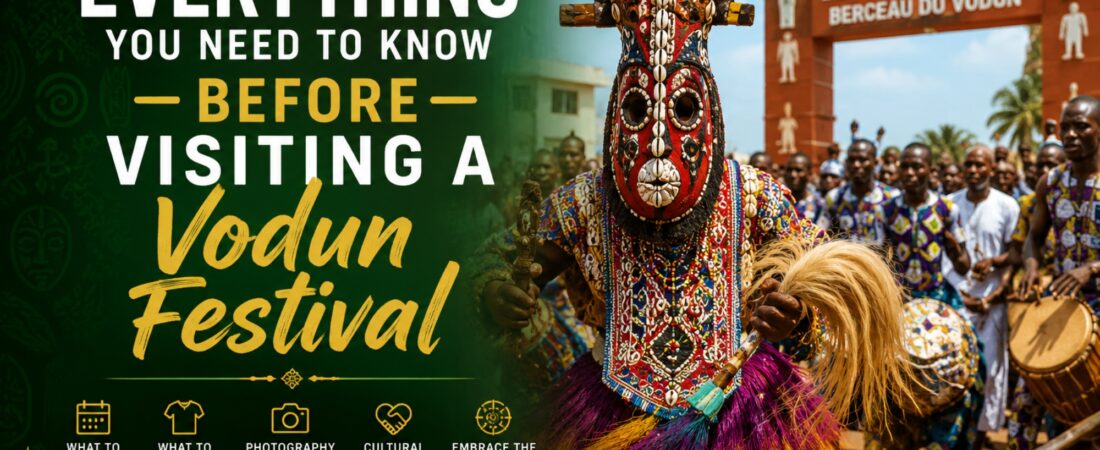
Visiting a Vodun festival is unlike attending an ordinary cultural event. It is an opportunity to experience centuries of African history, spirituality, music, dance, and community traditions that continue to thrive today. In Benin, the birthplace of Vodun, these festivals are not simply performances for tourists—they are meaningful cultural celebrations where communities come together to honor their heritage, preserve their customs, and strengthen the bonds that unite generations.
For first-time visitors, attending a Vodun festival can be both exciting and unfamiliar. The vibrant colors, rhythmic drumming, traditional dances, ceremonial attire, and joyful atmosphere create a memorable experience that leaves a lasting impression. At the same time, understanding the cultural significance of these events helps visitors appreciate them with the respect they deserve.
If you are planning your first visit, everything you need to know before visiting a Vodun festival begins with approaching the experience with curiosity, respect, and an open mind. Learning about local customs before you arrive will help you enjoy the festival while honoring the traditions of the communities that host these remarkable celebrations.
What Is a Vodun Festival?
A Vodun festival is a cultural and spiritual celebration that brings together families, traditional leaders, musicians, dancers, artisans, and visitors to celebrate the rich heritage of Vodun. These festivals often include traditional music, ceremonial dances, storytelling, processions, artistic performances, and community gatherings that reflect the history and identity of the people.
One of the best-known celebrations is Benin’s National Vodun Day, held every year on January 10. The city of Ouidah becomes the center of festivities as thousands of participants and visitors gather to witness colorful ceremonies and cultural performances. The event attracts people from across Africa and around the world who wish to learn more about the traditions that have shaped Benin’s history.
Although each community celebrates in its own unique way, the purpose remains the same: preserving cultural heritage while bringing people together in a spirit of unity and celebration.
Understand That It Is a Living Cultural Tradition
Before attending a Vodun festival, it is important to remember that you are entering a living cultural tradition rather than a staged performance. While visitors are welcome at many public celebrations, the ceremonies hold genuine meaning for the people participating in them.
Approaching the festival with respect helps create a positive experience for everyone. Rather than treating the event as a spectacle, take time to observe, listen, and learn. Many ceremonies reflect generations of history and cultural knowledge that continue to shape community life today.
Being respectful also means avoiding assumptions based on movies or popular myths. Vodun festivals celebrate heritage, identity, and tradition, not the fictional images often portrayed in entertainment.
Learn About the Festival Before You Go
A little preparation can make your visit much more meaningful. Reading about the history of Vodun, the community hosting the event, and the significance of the festival will help you better understand what you are witnessing.
Many festivals include traditional songs, dances, masks, costumes, and symbolic objects that carry historical or cultural meanings. Knowing a little about these traditions beforehand allows you to appreciate the performances beyond their visual beauty.
If possible, consider visiting local museums or cultural centers before attending the festival. These places often provide valuable background information that enhances the overall experience.
Dress Respectfully
Choosing appropriate clothing shows respect for both the event and the local community. Comfortable, modest clothing is generally recommended, especially since many festivals take place outdoors under warm weather conditions.
Lightweight fabrics, comfortable walking shoes, and protection from the sun can make the day much more enjoyable. Since some celebrations involve walking through villages, beaches, or sacred sites, practical footwear is especially important.
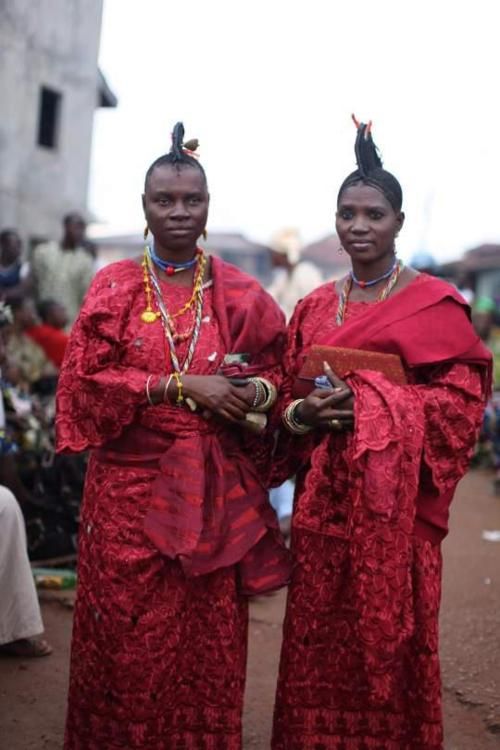
Wearing clothing that reflects local cultural appreciation without imitating sacred ceremonial attire is usually the best approach. Visitors should allow traditional participants to wear the ceremonial garments associated with the festival while choosing simple and respectful outfits themselves.
Be Mindful When Taking Photographs
Vodun festivals offer many beautiful opportunities for photography, from colorful clothing and traditional dances to musical performances and community celebrations. However, it is important to remember that not every ceremony or participant wishes to be photographed.
Whenever possible, ask for permission before taking close-up photographs of individuals. Many people are happy to share their culture, while others may prefer privacy, particularly during more personal or ceremonial moments.
Some sacred ceremonies may also have restrictions on photography. Respecting these guidelines demonstrates cultural sensitivity and helps preserve the dignity of the event.
Expect Music, Dancing, and Celebration
One of the most memorable aspects of any Vodun festival is the vibrant atmosphere created by music and dance. Traditional drums provide powerful rhythms that accompany singing, dancing, and ceremonial processions throughout the celebration.
These performances are not merely entertainment. Music and dance have long served as important forms of cultural expression, storytelling, and community participation. Every rhythm, movement, and costume often reflects traditions that have been preserved for generations.
Visitors are encouraged to enjoy the performances while recognizing the cultural significance behind them.
Respect Sacred Spaces
Some parts of a Vodun festival may take place near sacred forests, temples, shrines, or other culturally important locations. These places often hold historical and spiritual significance for the local community.
Visitors should follow the guidance provided by local organizers or guides when entering such areas. Remaining within designated spaces, avoiding unnecessary touching of ceremonial objects, and following local instructions help ensure that everyone enjoys the event respectfully.
Treating sacred spaces with the same courtesy you would show in any place of cultural or religious importance demonstrates appreciation for the community’s traditions.
Support Local Communities
Vodun festivals provide excellent opportunities to support local artisans, performers, and small businesses. Visitors often find beautifully handcrafted sculptures, textiles, jewelry, baskets, paintings, musical instruments, and other traditional artwork available for purchase.
Buying locally made products helps preserve traditional craftsmanship while contributing directly to the local economy. It also allows visitors to take home authentic pieces of African culture that carry genuine cultural significance.
Many festivals also feature local cuisine, giving visitors the chance to experience traditional dishes prepared by members of the community.
Be Open to Learning
Every festival offers opportunities to learn something new. Conversations with local guides, artisans, historians, and community members can provide valuable insights into the customs and traditions that shape the celebration.
Asking respectful questions often leads to meaningful discussions that deepen your understanding of African heritage. Most communities appreciate visitors who show genuine interest in learning rather than making assumptions based on stereotypes.
Keeping an open mind allows you to experience the festival as an educational and cultural journey rather than simply a sightseeing activity.
Respect Cultural Differences
People from different parts of the world may have different beliefs, customs, and ways of celebrating important traditions. Attending a Vodun festival provides an opportunity to appreciate cultural diversity while recognizing that there is no single way to express spirituality or community identity.
Respect does not require agreement with every belief or practice. Instead, it involves recognizing the importance these traditions hold for the people who preserve them and approaching them with courtesy and understanding.
This attitude encourages positive cultural exchange and helps build mutual respect between visitors and host communities.
Practical Tips for a Comfortable Visit
Since many Vodun festivals take place outdoors, preparing for the weather can greatly improve your experience. Carrying drinking water, sunscreen, a hat, and comfortable footwear will help you remain comfortable throughout the day. Bringing a small bag for personal belongings and keeping valuables secure is also advisable, particularly during large public gatherings.
Arriving early allows you to find a good viewing position and observe the preparations before the main ceremonies begin. Many festivals continue for several hours, so planning your schedule accordingly will help you enjoy the event without feeling rushed.
If you are visiting Benin from another country, consider hiring a knowledgeable local guide. Guides can explain the history behind different ceremonies, answer questions, and help you better understand the significance of what you are seeing.
Why Vodun Festivals Matter
Vodun festivals are much more than annual celebrations. They play a vital role in preserving African cultural heritage, strengthening community identity, and passing traditional knowledge from one generation to the next.
These gatherings bring together families, elders, artists, musicians, and young people in a shared celebration of history and tradition. They also provide opportunities for cultural education, encouraging visitors to appreciate the diversity and richness of African civilization.
As interest in heritage tourism continues to grow, Vodun festivals have become important cultural events that promote international understanding while supporting local communities and preserving valuable traditions.
Conclusion
Understanding everything you need to know before visiting a Vodun festival helps transform your visit into a respectful and meaningful cultural experience. By learning about the history of the festival, dressing appropriately, respecting sacred spaces, seeking permission before taking photographs, and approaching the event with curiosity, visitors can develop a deeper appreciation for one of Africa’s oldest and most vibrant cultural traditions.
Vodun festivals celebrate much more than ceremonies. They celebrate community, history, music, dance, storytelling, craftsmanship, and the enduring spirit of a people who continue to preserve their heritage with pride. For visitors, attending one of these festivals offers an unforgettable opportunity to witness the richness of Benin’s cultural identity while gaining a greater understanding of African traditions.
Whether you are traveling as a cultural enthusiast, photographer, historian, or curious visitor, approaching the festival with respect and openness will allow you to experience its beauty in the way it was intended—as a living celebration of heritage that continues to inspire generations.