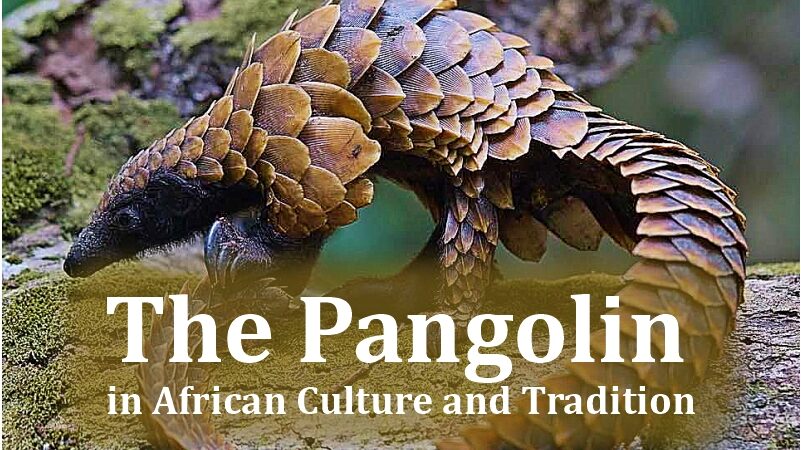
Among Africa’s extraordinary wildlife, few animals are as unique and fascinating as the pangolin. Often recognized by its protective scales and gentle nature, the pangolin has captured the attention of people for generations. Although it is one of the least understood mammals in the world, the pangolin occupies an important place in the traditions, folklore, and cultural heritage of many African communities. It is admired not only for its unusual appearance but also for the qualities it represents, including resilience, patience, humility, and harmony with nature.
Across different regions of Africa, traditional stories and customs have long reflected the close relationship between people and the natural world. Animals are often viewed as teachers whose behaviors offer valuable lessons about life. The pangolin is no exception. Its quiet movements, peaceful temperament, and remarkable natural defenses have inspired respect among many communities that see it as a symbol of wisdom rather than aggression.
Understanding the pangolin in African culture and tradition helps us appreciate how wildlife has influenced African history, storytelling, and spiritual beliefs. It also reminds us of the growing responsibility to protect a species that today faces serious threats across the continent.
What Is a Pangolin?
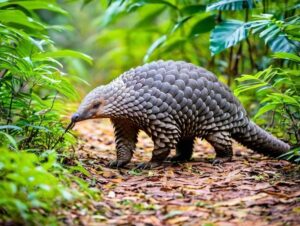
The pangolin is a unique mammal covered with overlapping scales made of keratin, the same material found in human fingernails and hair. It is the only mammal in the world with this kind of natural armor. When threatened, the pangolin curls itself into a tight ball, allowing its hard scales to protect the softer parts of its body from predators.
Pangolins are mostly nocturnal, spending much of the day resting in burrows or hidden among vegetation before emerging at night to feed. Their diet consists mainly of ants and termites, which they capture using their long, sticky tongues. Because they help control insect populations naturally, pangolins play an important role in maintaining healthy ecosystems.
Several species of pangolins are found across Africa, where they inhabit forests, savannahs, and woodlands. Despite their wide distribution, they are rarely seen because of their shy and secretive behavior.
The Pangolin as a Symbol of Wisdom and Patience
In many African traditions, animals are admired for the qualities they demonstrate in nature. The pangolin is respected because it relies on patience, calmness, and intelligence rather than speed or aggression. Instead of attacking danger, it protects itself by curling into a ball and waiting until the threat has passed.
This behavior has inspired stories that encourage people to respond thoughtfully during difficult situations rather than acting out of fear or anger. Elders often use examples from nature to teach younger generations about self-control, resilience, and the importance of making wise decisions.
The pangolin’s quiet lifestyle also reflects humility. Unlike animals that compete for attention through loud displays or aggressive behavior, the pangolin survives by remaining peaceful and avoiding unnecessary conflict. These qualities have made it a respected symbol in many traditional communities.
The Pangolin in African Folklore
Storytelling has always been an important part of African culture. Long before written books became common, elders passed knowledge from one generation to another through folktales that featured animals as central characters. These stories were designed not only to entertain but also to teach moral lessons about honesty, courage, cooperation, and respect.
Although the details vary between communities, the pangolin often appears as a clever and thoughtful creature that succeeds through patience rather than force. Its unusual appearance also makes it a memorable character, helping children remember the lessons associated with its behavior.
Folklore involving the pangolin reinforces the belief that every creature has a purpose within nature. By observing animals closely, people learn valuable lessons about living responsibly and maintaining harmony with others.The Pangolin and Respect for Nature
African traditional cultures have long emphasized the importance of living in harmony with the environment. Forests, rivers, mountains, and wildlife are often regarded as valuable parts of creation that deserve protection and respect. The pangolin, with its gentle behavior and important ecological role, reflects these values.
As a natural predator of ants and termites, the pangolin contributes to maintaining ecological balance. By controlling insect populations, it helps protect vegetation and supports healthy ecosystems. Traditional knowledge has long recognized that every animal has a role to play, and disturbing this balance can affect both nature and human communities.
This understanding encourages people to see wildlife not simply as resources but as partners in sustaining life. Respecting animals such as the pangolin reflects a broader appreciation for biodiversity and environmental stewardship.
The Pangolin in Vodun Traditions
Within the broader context of African traditional beliefs, including aspects of the Vodun heritage of Benin, animals often carry symbolic meanings that reflect their natural characteristics. While customs vary between ethnic groups and communities, the pangolin is generally appreciated for qualities such as protection, resilience, patience, and balance.
Unlike more widely recognized symbolic animals such as the python or leopard, the pangolin does not occupy the same role in every Vodun tradition. However, its unique appearance and peaceful behavior have earned it respect in many local customs and oral traditions.
Its ability to protect itself without unnecessary aggression serves as a reminder that true strength can often be found in wisdom, patience, and self-control rather than conflict. These values align with the broader principles of harmony that are emphasized throughout many African spiritual traditions.
Traditional Knowledge and the Pangolin
For generations, African communities have developed extensive knowledge about local wildlife through careful observation of nature. This traditional knowledge has been passed down through storytelling, farming practices, hunting customs, and community education.
The pangolin is often recognized as an indicator of healthy forests and balanced ecosystems. Because it depends on suitable habitats rich in ants and termites, its presence suggests that the surrounding environment remains relatively undisturbed.
Traditional ecological knowledge reminds communities that protecting wildlife also protects the natural resources upon which human life depends. Forest conservation, clean water, and healthy ecosystems benefit both animals and people alike.
The Pangolin’s Role in African Art and Culture
The remarkable appearance of the pangolin has inspired artists and craftspeople across Africa for generations. Its distinctive scales and graceful form have appeared in carvings, sculptures, paintings, textiles, and educational materials that celebrate the continent’s rich biodiversity.
Although the pangolin may not appear as frequently as lions, elephants, or leopards in traditional artwork, it remains a symbol of Africa’s extraordinary wildlife. Cultural festivals, museums, and heritage centers increasingly highlight the pangolin as part of efforts to educate the public about conservation and environmental protection.
These artistic expressions help preserve both cultural traditions and awareness of the natural world.
Modern Challenges Facing the Pangolin
Today, the pangolin faces unprecedented challenges. Habitat loss caused by deforestation and expanding human development has reduced the areas where pangolins can live safely. In addition, illegal wildlife trafficking has made the pangolin one of the most heavily trafficked mammals in the world.
International conservation organizations, governments, and local communities are working together to protect pangolins through stronger laws, wildlife monitoring, public education, and habitat conservation. These efforts recognize that losing the pangolin would mean losing an important part of Africa’s natural heritage.
Protecting the pangolin is not only about saving a single species. It is about preserving biodiversity, maintaining healthy ecosystems, and safeguarding cultural traditions that have respected this remarkable animal for centuries.
Why Conservation Is Part of Cultural Heritage
Cultural heritage is often associated with monuments, festivals, languages, and historical sites. However, Africa’s wildlife also forms an important part of its heritage. Animals such as the pangolin have inspired stories, teachings, artistic traditions, and cultural identity across generations.
Conservation therefore becomes an extension of cultural preservation. By protecting wildlife, communities also preserve the traditions and knowledge connected to these animals. Future generations deserve the opportunity to experience both the rich biodiversity of Africa and the cultural wisdom that has grown alongside it.
Education plays a vital role in this effort. As more people learn about the pangolin’s importance, they become better equipped to support conservation initiatives and appreciate the value of protecting nature.
Lessons the Pangolin Teaches
The pangolin offers lessons that remain relevant far beyond the natural world. Its quiet nature reminds us that strength is not always expressed through force. Its patience demonstrates the value of careful action over impulsive decisions. Its protective scales illustrate the importance of resilience during difficult times, while its role within the ecosystem highlights the interconnectedness of all living things.
These lessons have made the pangolin an enduring symbol within African culture and tradition. They encourage people to approach life with humility, wisdom, and respect for the natural environment that sustains every community.
In an increasingly fast-paced world, the pangolin reminds us that survival often depends not on power alone but on balance, adaptability, and peaceful coexistence.
The pangolin in African culture and tradition represents much more than a rare and fascinating animal. It symbolizes resilience, patience, wisdom, and the deep connection between humanity and the natural world. Through folklore, cultural teachings, and traditional knowledge, the pangolin has become a reminder that every living creature has a purpose and contributes to the balance of life.
Today, this remarkable animal also stands as a symbol of conservation. As threats to wildlife continue to grow, protecting the pangolin means preserving not only an extraordinary species but also an important part of Africa’s cultural and environmental heritage. By learning about the pangolin and supporting efforts to conserve it, we honor both nature and the traditions that have long recognized its value.
The story of the pangolin is ultimately a story of coexistence. It reminds us that respecting wildlife, protecting ecosystems, and preserving cultural heritage are all connected. Together, these efforts ensure that future generations will continue to learn from one of Africa’s most remarkable and inspiring creatures.

Mystical Realm of Voodoo Love Spells: What African Voodoo Says About Love Spell Rituals and Finding a Soulmate