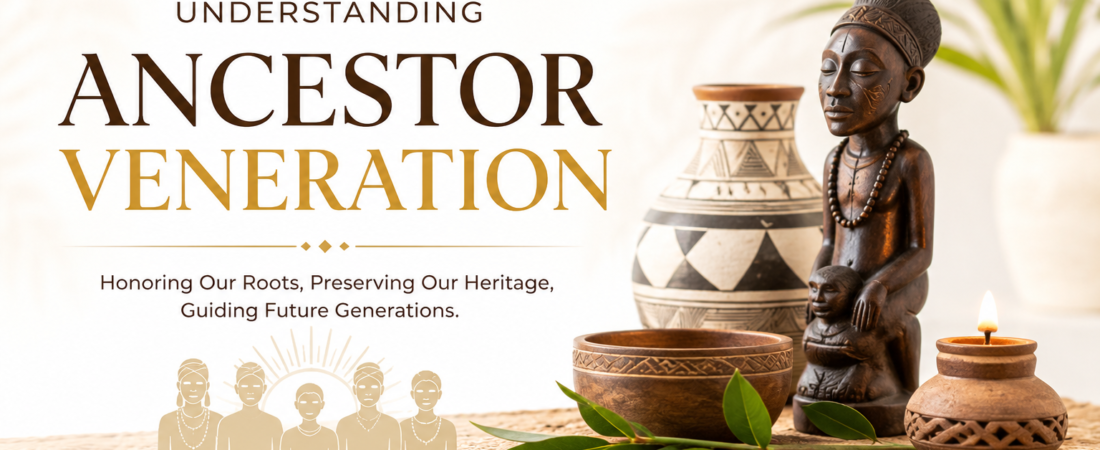
Discover the true meaning of ancestor veneration, its role in African traditions, and why it remains an important part of cultural identity, spirituality, and family heritage today.
Across the world, every culture has its own way of remembering and honoring those who came before them. Some families visit the graves of loved ones every year, others preserve family photographs and tell stories about grandparents, while some hold annual memorial ceremonies to celebrate the lives of their ancestors. In many African societies, particularly within the traditional spiritual systems of Benin, Togo, Ghana, and neighboring regions, this remembrance takes the form of ancestor veneration—a long-standing cultural and spiritual practice that emphasizes respect, gratitude, and continuity between generations.
For many people hearing about this tradition for the first time, ancestor veneration can seem mysterious or difficult to understand. It is often misunderstood because it is viewed through the lens of unfamiliar beliefs or misconceptions. However, understanding ancestor veneration begins with recognizing that it is not simply about remembering the dead; it is about acknowledging the lasting influence of those whose lives shaped the families and communities that exist today. It reflects a belief that the bond between generations does not end with death but continues through memory, culture, and spiritual connection.
In African Traditional Religion and the Vodun traditions of Benin, ancestors occupy a respected place within the spiritual and cultural life of the community. Their wisdom, sacrifices, and examples continue to inspire future generations, reminding people of their identity, values, and responsibilities. This article explores the meaning of ancestor veneration, its origins, how it is practiced, and why it continues to remain relevant in the modern world.
What Is Ancestor Veneration?
Understanding ancestor veneration starts with understanding the meaning of the word veneration itself. Veneration simply means showing deep respect, honor, and appreciation. Therefore, ancestor veneration refers to the practice of honoring family members who have passed away while recognizing the important role they continue to play in the lives of their descendants.
In many African traditions, death is not viewed as the complete end of existence. Instead, it is seen as a transition from the physical world into the spiritual realm. Although a person’s body is no longer present, their memory, influence, and spiritual presence continue to exist within the family and community. Ancestors are remembered because they contributed to the lives of those who came after them, and their guidance is believed to remain valuable long after their passing.
This understanding encourages people to maintain a relationship of remembrance and respect rather than forgetting those who laid the foundation for future generations. Families often preserve the names, stories, achievements, and values of their ancestors so that younger members grow up knowing where they come from and appreciating the sacrifices that made their lives possible.
The Origins of Ancestor Veneration
Ancestor veneration is one of humanity’s oldest traditions. Long before written history, communities relied on oral storytelling to preserve their heritage. Elders passed knowledge from one generation to another, recounting the lives of respected family members whose courage, wisdom, and leadership helped shape their communities.
In Africa, this tradition developed naturally as societies placed great importance on family lineage, respect for elders, and communal living. The elderly were seen as living libraries who possessed knowledge gained through experience. When they passed away, their wisdom was not considered lost but became part of the family’s collective heritage. Remembering them ensured that important lessons continued to guide future generations.
Within the Vodun tradition of Benin, ancestor veneration became deeply connected with the belief that the spiritual and physical worlds exist side by side. Ancestors were understood as members of the extended family who had crossed into the spiritual realm while remaining interested in the wellbeing of their descendants. This belief strengthened family unity and encouraged people to live in ways that honored those who came before them.
Ancestor Veneration Is Different from Ancestor Worship
One of the greatest misunderstandings surrounding this tradition is the belief that ancestor veneration is the same as ancestor worship. Although these two ideas are often confused, they are not identical.
In most African traditional belief systems, ancestors are not regarded as supreme beings or creators of the universe. Instead, they are respected members of the family who are remembered because of the honorable lives they lived and the legacy they left behind. Just as people respect parents, grandparents, teachers, and community elders while they are alive, ancestor veneration extends that same respect after death.
This distinction is important because the purpose of ancestor veneration is not to replace the Supreme Creator but to maintain a meaningful connection with family history. It reflects gratitude rather than devotion, remembrance rather than fear, and cultural continuity rather than idol worship. Understanding this difference helps eliminate many of the misconceptions that have surrounded African traditional beliefs for generations.
The Role of Ancestors in African Traditional Beliefs
Within many African cultures, ancestors are regarded as important members of the extended family whose presence continues beyond physical life. They are believed to represent wisdom, experience, and continuity between generations. Their lives serve as examples that encourage descendants to uphold values such as honesty, responsibility, compassion, and respect for others.
Many communities believe that ancestors continue to watch over their families, offering guidance and encouragement during important moments in life. Whether people are celebrating births, marriages, harvests, or other milestones, ancestors are remembered as part of the family’s ongoing story. Their memory reinforces the idea that every generation builds upon the work and sacrifices of those who came before.
This perspective also strengthens personal identity. When individuals know the stories of their ancestors, they gain a greater understanding of their family’s history, cultural background, and shared values. Rather than seeing themselves as isolated individuals, they recognize themselves as part of a much larger story that stretches across generations.
How Ancestors Are Honored
The ways in which ancestors are honored vary from one community to another, but the underlying purpose remains the same: expressing gratitude and preserving the connection between past and present. In many families, ceremonies are held during significant occasions where prayers are offered, stories are shared, traditional songs are sung, and symbolic offerings may be presented as acts of remembrance.
Storytelling remains one of the most meaningful forms of ancestor veneration. Elders gather younger family members to recount the achievements, struggles, and wisdom of previous generations. These stories preserve family history while teaching valuable lessons about courage, perseverance, generosity, and responsibility. In this way, ancestors continue educating future generations long after their physical lives have ended.
Some families maintain small ancestral shrines or memorial spaces where they pause during important occasions to remember departed relatives. These spaces serve as symbols of remembrance rather than objects of worship, reminding family members that their heritage deserves respect and appreciation.
Ancestor Veneration in Vodun Culture
The Vodun tradition of Benin places strong emphasis on maintaining harmony between the visible and invisible worlds. Ancestors occupy an important place within this spiritual understanding because they represent the continuing relationship between living families and their heritage.
During traditional ceremonies, ancestors may be acknowledged through prayers, songs, libations, and cultural rituals that emphasize gratitude and remembrance. These ceremonies are often accompanied by music, drumming, dancing, and communal gatherings that strengthen family and community bonds. Rather than focusing on sadness or mourning, many of these occasions celebrate the lives and contributions of those who came before.
Within Vodun, remembering ancestors is also closely connected to preserving cultural identity. Language, customs, ceremonies, and traditional knowledge are passed from generation to generation through families who continue to honor their heritage. In this way, ancestor veneration becomes an important tool for protecting cultural traditions from being forgotten.
Why Ancestor Veneration Strengthens Families
Ancestor veneration serves as more than a spiritual practice; it also strengthens relationships within families. Remembering shared ancestors reminds relatives that they belong to the same lineage and share a common history. Family gatherings held in honor of ancestors often become opportunities to resolve disagreements, celebrate achievements, and reinforce unity among relatives.
Young people benefit greatly from learning about the lives of previous generations. They gain role models whose experiences demonstrate resilience during difficult times, generosity toward others, and commitment to family values. Instead of viewing history as distant and impersonal, they begin to see it as something that directly shapes their own identity.
Communities also benefit because ancestor traditions encourage respect for elders and appreciation for wisdom gained through experience. This respect helps preserve cultural knowledge that might otherwise disappear as older generations pass away.
Common Misconceptions About Ancestor Veneration
Many misunderstandings arise because people interpret ancestor veneration without first learning its cultural context. One common misconception is that it involves worshipping deceased individuals. As explained earlier, most traditional African belief systems distinguish clearly between honoring ancestors and worshipping the Supreme Creator.
Another misconception is that ancestor veneration exists only in Africa. In reality, many cultures around the world practice forms of ancestor remembrance. In China, families observe Qingming by cleaning ancestral graves and offering food in remembrance. Japan celebrates Obon, a festival dedicated to honoring ancestors. Mexico’s Día de los Muertos, or Day of the Dead, celebrates deceased loved ones through colorful altars, music, and family gatherings. These examples demonstrate that remembering ancestors is a universal human tradition expressed in different cultural ways.
Some people also assume ancestor veneration is rooted in fear. While traditions differ between communities, the central message is generally one of gratitude, remembrance, and respect rather than fear or superstition. Families honor ancestors because they value the contributions those individuals made during their lives and wish to preserve their memory for future generations.
Why Ancestor Veneration Still Matters Today
Modern society has changed many aspects of daily life, yet ancestor veneration continues to hold meaning for countless people. Rapid urbanization, globalization, and technological advancement have made it easier for cultures to interact, but they have also created challenges in preserving traditional identities. Ancestor veneration helps many families remain connected to their roots despite these changes.
For younger generations, learning about ancestors provides a sense of belonging in an increasingly complex world. It reminds them that they are part of a story much larger than themselves and encourages them to preserve the traditions, languages, and values passed down through their families. This connection strengthens cultural pride while fostering respect for diversity.
Even for people who do not practice ancestor veneration themselves, understanding its purpose promotes greater appreciation for the beliefs and customs of others. Cultural understanding begins with listening before judging, and learning about traditions such as ancestor veneration helps build mutual respect between different communities and faiths.
Understanding ancestor veneration means recognizing it as far more than an ancient custom. It is a living tradition that connects families across generations, preserves cultural heritage, and reminds people of the values that have guided their communities for centuries. By honoring those who came before them, families express gratitude for the sacrifices, wisdom, and love that continue to shape their lives today.
Within the Vodun traditions of Benin and many other African societies, ancestor veneration remains an essential part of cultural identity. It teaches respect for elders, encourages unity within families, preserves historical knowledge, and strengthens the connection between past, present, and future generations. Although practices may differ from one culture to another, the underlying message remains remarkably universal: those who came before us deserve to be remembered with honor and gratitude.
In a world where traditions can easily be forgotten, ancestor veneration serves as a reminder that history lives through people. Every generation inherits not only the achievements of its ancestors but also the responsibility to preserve their legacy for those who will come after. By understanding this tradition with openness and respect, we gain a deeper appreciation of African heritage and the enduring values that continue to unite communities across time.