Understanding the Cultural, Historical, and Spiritual Significance of African Vodun Celebrations
Across West Africa, few cultural events capture the richness of indigenous heritage as vividly as Vodun festivals. These remarkable celebrations are among the oldest surviving cultural traditions on the African continent, preserving centuries of history, spirituality, music, dance, craftsmanship, and community values. For the people of Benin, where African Vodun originated, festivals are not simply annual gatherings. They are living expressions of identity that connect generations through shared beliefs, ancestral remembrance, and cultural pride.
Despite their historical importance, Vodun festivals have often been misunderstood outside Africa. Popular media has frequently portrayed African Voodoo through fictional stories that emphasize mystery rather than history. In reality, authentic Vodun festivals are celebrations of community, gratitude, cultural continuity, and respect for the Creator, ancestors, and the natural world. They provide opportunities for families to reunite, elders to pass on traditional knowledge, artists to showcase their talents, and communities to preserve customs that have survived for centuries.
Today, these festivals continue to attract historians, anthropologists, photographers, cultural enthusiasts, and travelers from around the world who wish to experience one of Africa’s most enduring cultural traditions. Understanding the meaning behind these celebrations offers a deeper appreciation of African civilization and the remarkable resilience of its indigenous heritage.
Festivals as Living Cultural Heritage
Throughout African history, festivals have served as important occasions for strengthening social bonds and preserving cultural identity. Within African Vodun tradition, these gatherings provide opportunities for entire communities to come together in celebration, reflection, education, and thanksgiving.
Unlike ordinary public events, Vodun festivals carry layers of historical and cultural meaning. They commemorate important moments in community history, celebrate seasonal changes, recognize the contributions of ancestors, and reaffirm the values that guide society. Every song, dance, drum rhythm, and traditional costume reflects customs that have been carefully preserved over generations.
The importance of these festivals extends far beyond spirituality. They also encourage cooperation among families, promote local craftsmanship, preserve indigenous languages, and create opportunities for younger generations to learn directly from elders. In this way, each festival becomes a living classroom where history is experienced rather than simply remembered.
The International Vodun Festival in Benin
Among the most celebrated events in African Vodun is the International Vodun Festival, held every year on January 10 in the Republic of Benin. Officially recognized as a national public holiday, this festival represents one of the country’s greatest expressions of cultural heritage and religious diversity.
The historic coastal city of Ouidah becomes the center of national celebrations as thousands of participants gather from different regions of Benin and from countries across Africa, Europe, the Americas, and the Caribbean. Traditional leaders, cultural organizations, musicians, dancers, artisans, historians, researchers, and visitors come together to celebrate the enduring legacy of Vodun.
Throughout the festival, visitors experience traditional music, cultural dances, historical exhibitions, storytelling, artistic performances, and educational programs that showcase the richness of Benin’s heritage. Rather than focusing on spectacle, the event emphasizes respect for indigenous traditions while encouraging dialogue between cultures and promoting a better understanding of African history.
The International Vodun Festival has become an important symbol of national pride, demonstrating that indigenous African traditions continue to thrive in the modern world while contributing to tourism, education, and cultural preservation.
Honoring Ancestors Through Celebration
One of the central themes found in many Vodun festivals is the remembrance of ancestors. Within African Vodun, ancestors are honored because they preserved family traditions, established communities, and passed valuable knowledge to future generations. Festivals provide opportunities for families to reflect upon this legacy with gratitude and respect.
During these celebrations, elders often recount family histories, historical events, and traditional teachings that might otherwise be forgotten. Younger members of the community listen carefully as stories are shared, ensuring that cultural knowledge continues to be preserved through oral tradition.
This emphasis on ancestral remembrance reflects one of the most enduring values within African societies: the understanding that a community’s future is strengthened by remembering its past. Rather than dwelling on history alone, these moments encourage individuals to uphold the virtues of integrity, generosity, courage, and unity demonstrated by those who came before them.
Music and Dance as Cultural Storytelling
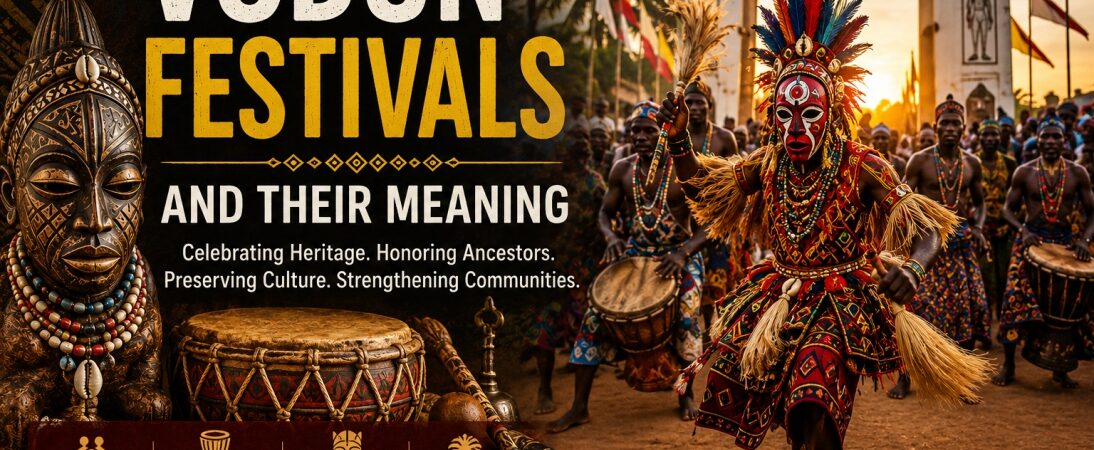
No Vodun festival is complete without the powerful sounds of traditional African music. Across Benin and neighboring countries, drums occupy a central place within cultural celebrations. Far more than musical instruments, they serve as voices of the community, communicating emotion, history, and identity through carefully preserved rhythms.
Traditional dancers respond to these rhythms with graceful movements that often symbolize historical events, agricultural cycles, community achievements, or stories passed down through generations. Every performance becomes a form of storytelling that allows history to remain alive through artistic expression.
Singers also play an essential role by performing songs in indigenous languages that preserve ancient wisdom, praise notable leaders, celebrate important milestones, and reinforce community values. These musical traditions have survived for centuries because they are continuously practiced rather than simply recorded in books.
For many visitors, witnessing these performances offers one of the most memorable experiences of African cultural heritage.
Traditional Attire and Cultural Identity
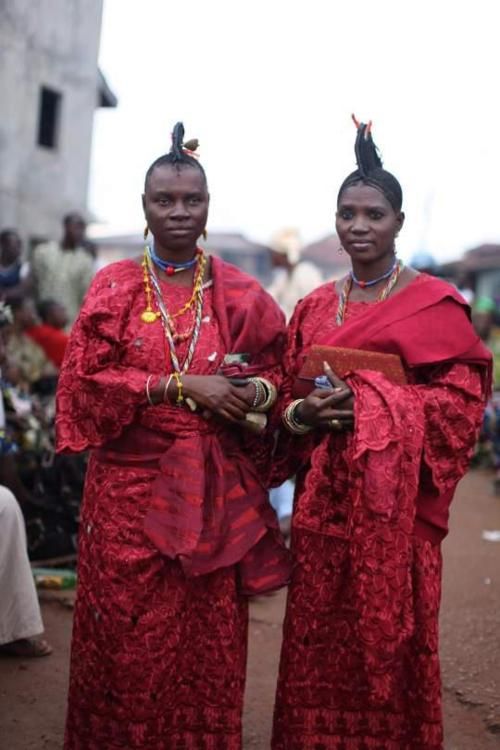
The visual beauty of Vodun festivals is enhanced by the colorful traditional clothing worn by participants. Across different regions of Benin, garments, woven fabrics, beads, jewelry, ceremonial hats, and handcrafted accessories reflect the artistic excellence of local communities.
These garments often communicate social identity, family heritage, regional traditions, or ceremonial significance. Skilled artisans spend months creating textiles and decorative works that preserve techniques passed down through generations.
Traditional attire also reinforces cultural pride by encouraging younger generations to appreciate the craftsmanship and symbolism embedded within African fashion. During festivals, clothing becomes another language through which history and identity are expressed.
The Role of Traditional Leaders
Traditional leaders occupy positions of great respect during Vodun festivals. Elders, community chiefs, cultural custodians, and religious leaders help preserve ceremonial customs while guiding younger generations in understanding their historical significance.
Their presence symbolizes continuity between past and present. Through speeches, storytelling, blessings, and cultural instruction, these respected individuals ensure that festivals remain faithful to the values inherited from previous generations.
Their leadership also demonstrates that preserving cultural heritage requires responsibility, wisdom, and cooperation within the community.
Festivals as Centers of Education
One of the most overlooked aspects of African Vodun festivals is their educational value. Beyond celebration, they provide practical opportunities for learning about history, philosophy, language, traditional medicine, craftsmanship, architecture, music, agriculture, and environmental stewardship.
Children grow up observing ceremonies, listening to oral histories, learning traditional songs, and participating in cultural performances. In doing so, they inherit knowledge that textbooks alone cannot fully capture.
Researchers and universities increasingly recognize festivals as valuable sources of historical information because they preserve customs that have remained remarkably consistent over centuries. For many scholars studying African civilizations, attending a Vodun festival offers insights unavailable through written documents alone.
Supporting Local Communities Through Cultural Tourism
In recent decades, Vodun festivals have also become important contributors to cultural tourism in Benin. Visitors from around the world travel to attend these celebrations, supporting local hotels, restaurants, transportation services, museums, artisans, photographers, and cultural organizations.
Traditional craftsmen benefit from showcasing handcrafted sculptures, textiles, musical instruments, beadwork, pottery, and other works of art that reflect the creativity of African communities. Performers, guides, and local historians likewise gain opportunities to share their knowledge with international audiences.
When managed responsibly, cultural tourism helps communities preserve their traditions while creating sustainable economic opportunities that encourage younger generations to remain engaged with their heritage.
Correcting Misconceptions About Vodun Festivals
For many years, inaccurate portrayals in films and popular media have created misconceptions about African Vodun. These fictional depictions often ignore the true purpose of Vodun festivals, replacing cultural understanding with sensational narratives.
Authentic festivals are not celebrations of fear or superstition. Instead, they emphasize gratitude, unity, ethical living, historical remembrance, and respect for community traditions. They bring together people of different ages, professions, and backgrounds in a spirit of cooperation and shared identity.
As more historians, educators, museums, and cultural organizations document these traditions, public understanding continues to improve. Increasing numbers of travelers now visit Benin specifically to experience Vodun festivals firsthand and learn about their genuine historical and cultural significance.
Vodun Festivals in the Modern World
Although deeply rooted in ancient traditions, Vodun festivals continue to evolve alongside modern society. Digital media, photography, documentaries, and academic research have helped introduce these celebrations to global audiences while preserving valuable historical records for future generations.
Young people play an increasingly active role in organizing cultural events, documenting oral histories, and promoting indigenous heritage through technology. At the same time, elders remain essential custodians of ceremonial knowledge, ensuring that modernization does not erase the traditions that define their communities.
This partnership between generations demonstrates that cultural preservation is not about resisting change but about protecting values while embracing new opportunities.
Why Vodun Festivals Matter Today
In an increasingly interconnected world, cultural traditions provide communities with a sense of belonging and continuity. Vodun festivals remind people that heritage is not confined to museums or history books; it is lived through music, language, craftsmanship, storytelling, family relationships, and collective celebration.
These festivals preserve one of Africa’s oldest spiritual traditions while promoting dialogue between cultures. They invite visitors to move beyond stereotypes and discover the richness of African Vodun through authentic experiences grounded in history and respect.
By celebrating these traditions, communities ensure that future generations inherit not only stories about their ancestors but also the opportunity to continue those traditions with pride.
Conclusion
The festivals of African Vodun are among the most meaningful cultural celebrations in West Africa. They honor history, strengthen communities, preserve artistic traditions, celebrate ancestral wisdom, and promote respect for nature and cultural diversity. Every drumbeat, dance, story, and ceremonial gathering reflects centuries of accumulated knowledge that continues to inspire millions of people today.
For visitors, scholars, and anyone interested in African history, Vodun festivals offer a unique window into one of the continent’s oldest living traditions. They reveal that the true essence of African Voodoo lies not in myths or misconceptions but in the enduring values of community, heritage, respect, and unity. As Benin and other West African nations continue to preserve these remarkable celebrations, Vodun festivals remain a powerful reminder that Africa’s cultural legacy is vibrant, resilient, and worthy of global recognition.
What is the purpose of Vodun festivals?
Vodun festivals celebrate cultural heritage, honor ancestors, strengthen community bonds, preserve traditional knowledge, and express gratitude for life’s blessings.
Where are the most famous Vodun festivals held?
The best-known celebrations take place in Benin, particularly in the historic city of Ouidah, during the annual National Vodun Day on January 10.
Are Vodun festivals only religious events?
No. While they include spiritual elements, Vodun festivals are also cultural celebrations featuring music, dance, storytelling, traditional art, historical education, and community gatherings.
Can visitors attend Vodun festivals?
Yes. Many festivals in Benin welcome local and international visitors who wish to learn about African Vodun respectfully. Visitors are encouraged to follow local customs and seek permission before photographing ceremonies or participants.

Mystical Realm of Voodoo Love Spells: What African Voodoo Says About Love Spell Rituals and Finding a Soulmate