Vodun Spirits and Deities
The spiritual tradition of African Vodun is one of the oldest and most respected indigenous belief systems in Africa. At its heart is the understanding that there is one Supreme Creator who is the ultimate source of all life and existence. Within this tradition, spirits and deities are not viewed as rivals to the Creator but as spiritual beings associated with different aspects of nature, morality, community life, and the universe. They are respected for their symbolic roles and their connection to the natural and spiritual order. Unfortunately, many popular films and fictional stories have portrayed African Voodoo in ways that create fear and misunderstanding. In reality, the traditional understanding of Vodun spirits reflects centuries of cultural wisdom, ethical values, and respect for the balance between humanity, nature, and the divine.
Across West Africa, particularly in Benin, Togo, Ghana, and parts of Nigeria, communities recognize different Vodun spirits according to their local traditions. While the names and practices may vary from one ethnic group to another, they all share a common belief that the spiritual world and the physical world exist in harmony. These spirits are understood as guardians, messengers, or symbolic representations of natural forces rather than figures of superstition or sensationalism. Learning about these deities offers valuable insight into the richness of African Vodun tradition and its enduring cultural significance.
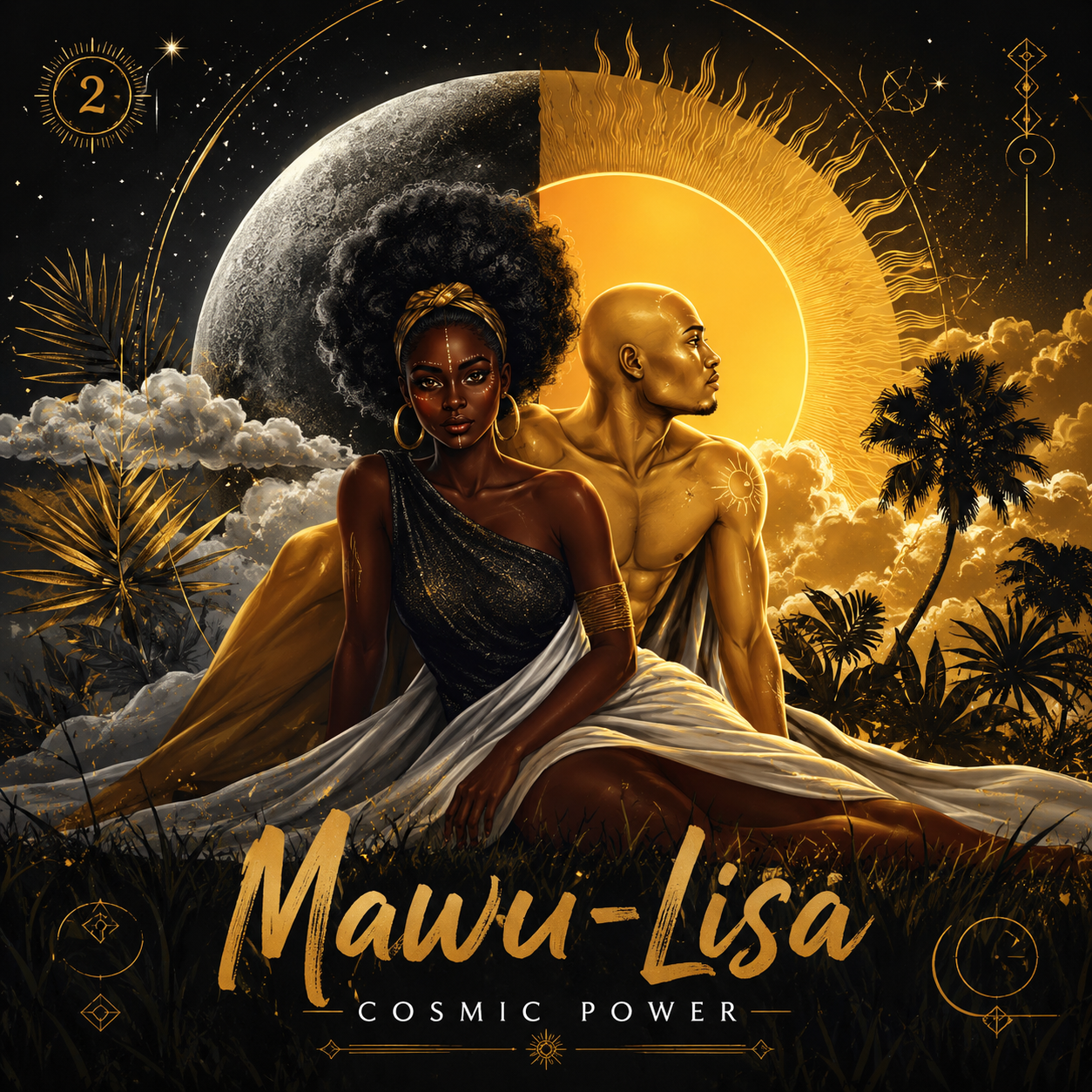
Mawu-Lisa – The Supreme Divine Principle
At the highest level of African Vodun belief is Mawu-Lisa, often understood as the Supreme Divine Principle in the Fon tradition of Benin. Rather than representing separate competing gods, Mawu and Lisa symbolize complementary aspects of creation that together express harmony and balance within the universe. Mawu is commonly associated with compassion, wisdom, peace, and the nurturing qualities of life, while Lisa is connected with strength, light, order, and vitality.Although interpretations differ among communities, Mawu-Lisa represents the ultimate source of creation and the foundation upon which all other spiritual relationships are understood. This belief emphasizes that all life originates from a single divine source, encouraging humility, gratitude, and respect for creation.
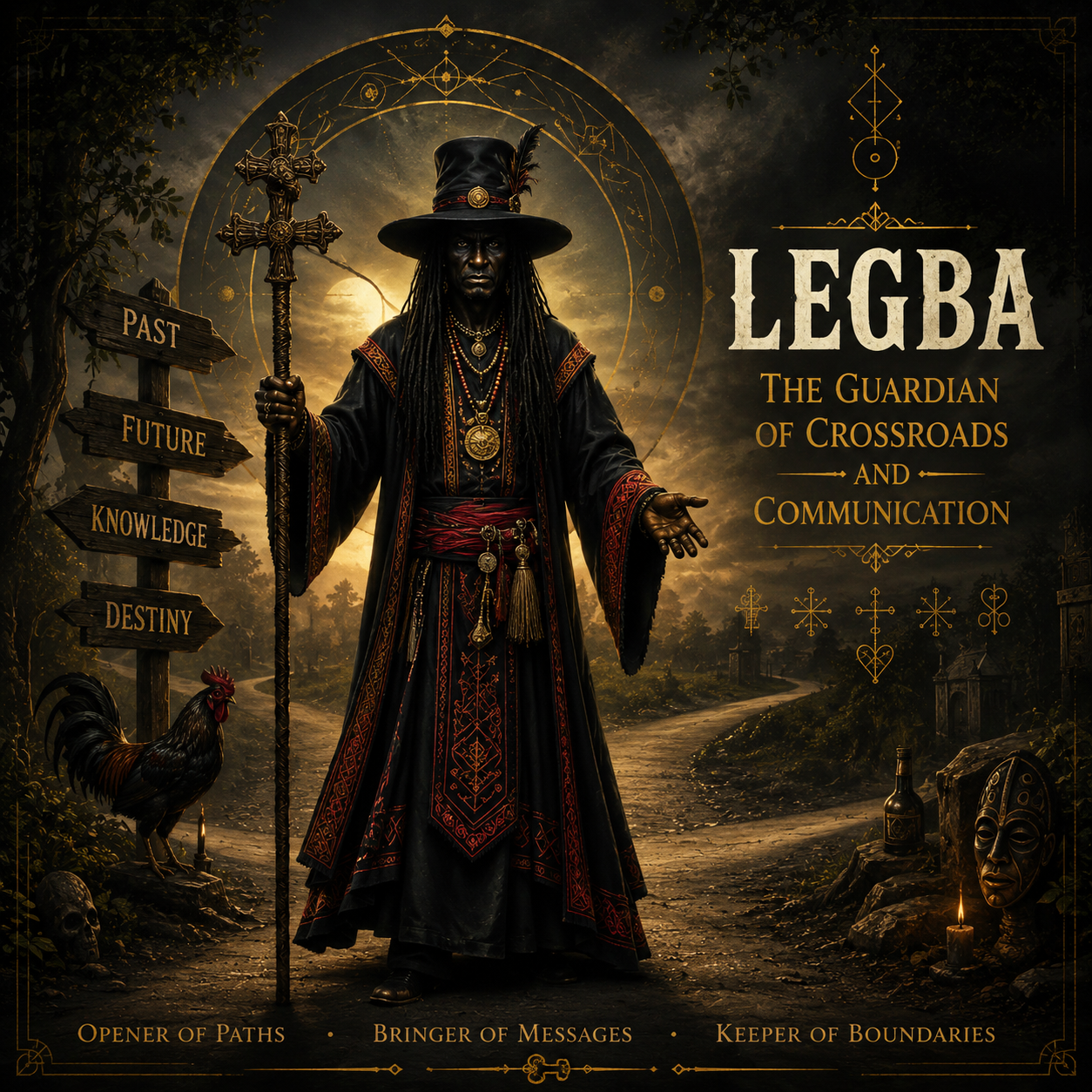
Legba – The Guardian of Crossroads and Communication
Among the most widely recognized figures in African Vodun tradition is Legba, who is regarded as the guardian of pathways, communication, and transitions. Legba symbolizes the opening and closing of opportunities, acting as a spiritual intermediary who represents communication between different realms within traditional belief.Legba’s role is often misunderstood in popular culture, where fictional portrayals have distorted his significance. Within authentic African Vodun, Legba is respected as a guardian of wisdom, guidance, and proper communication. His symbolism reminds individuals of the importance of making thoughtful decisions, respecting life’s crossroads, and approaching new beginnings with wisdom and integrity.

Sakpata – Guardian of the Earth and Well-Being
Sakpata is traditionally associated with the earth, agriculture, healing, and human well-being. Because communities throughout West Africa have historically depended upon fertile land for survival, Sakpata represents humanity’s close relationship with nature and the environment.In many communities, Sakpata symbolizes the importance of caring for the land that provides food and sustains life. Respect for the earth is reflected in traditional ceremonies that celebrate harvests, seasonal cycles, and environmental stewardship. Through this understanding, African Vodun teaches that humanity must live responsibly and in harmony with nature.

Hevioso – Spirit of Thunder and Justice
Hevioso, sometimes known by different names in neighboring traditions, is associated with thunder, lightning, courage, and justice. Rather than representing fear or destruction, Hevioso symbolizes the power of truth, fairness, and accountability within society.Traditional stories often present thunder as a reminder of the strength and majesty of nature. Hevioso’s symbolism encourages honesty, respect for justice, and personal responsibility. Communities have long viewed this spirit as a reminder that actions carry consequences and that harmony within society depends upon fairness and integrity.

Dan – The Sacred Serpent of Continuity and Balance
Dan, also called Danbala in related traditions, is represented by the sacred serpent, a symbol that appears in many cultures throughout the world. Within African Vodun, the serpent represents continuity, renewal, balance, wisdom, and the endless cycle of life.Rather than being viewed negatively, the serpent symbolizes the interconnectedness of all creation. Its graceful movement reflects the flow of life and the continuous relationship between humanity, nature, and the spiritual world. Dan reminds believers that balance is essential for maintaining peace within individuals, families, and communities.

Gu – Spirit of Craftsmanship and Human Innovation
Gu is traditionally associated with craftsmanship, technology, skilled labor, and human creativity. Blacksmiths, artisans, builders, and other skilled workers have long been respected within African societies for their ability to transform natural resources into tools that benefit the community.The symbolism of Gu celebrates human intelligence, discipline, and productive work. It teaches that knowledge and skill should be used responsibly to improve society while respecting both people and the environment. This understanding highlights the value African civilizations have historically placed on innovation and craftsmanship.

Mystical Realm of Voodoo Love Spells: What African Voodoo Says About Love Spell Rituals and Finding a Soulmate